Introduction
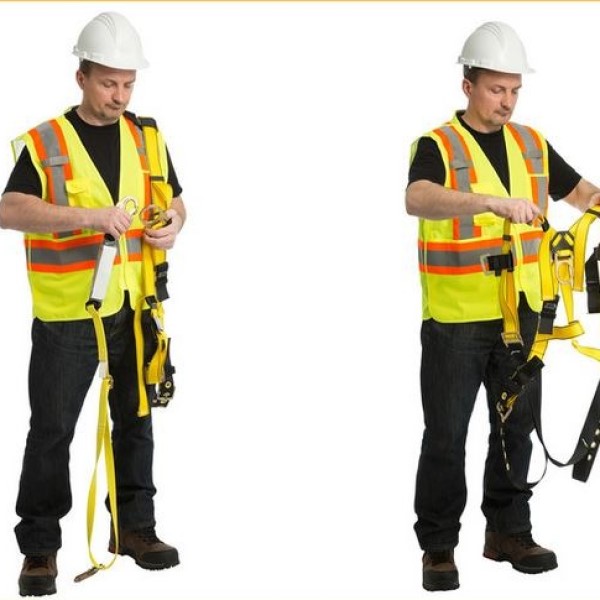
Understanding when is fall protection required in the construction industry is essential for maintaining the safety and well-being of workers. Construction sites can pose numerous hazards, including the risk of falls, which is a leading cause of fatalities and injuries. Proper fall protection measures not only meet legal obligations, they also foster a culture of safety that can save lives. This article aims to clarify when and why fall protection is necessary, discussing regulations, safety measures, and key considerations for employers and employees alike.
OSHA Standards for Fall Protection
OSHA sets strict standards to ensure safety in the construction industry. These rules focus on fall prevention and safe practices at worksites. Employers and workers must understand and comply with these regulations.
Key OSHA Requirements for Fall Protection
- Height Regulations: Fall protection is mandatory for workers above certain heights. For general construction, it applies at heights of 6 feet or more. For scaffolding, fall protection is needed at 10 feet or higher.
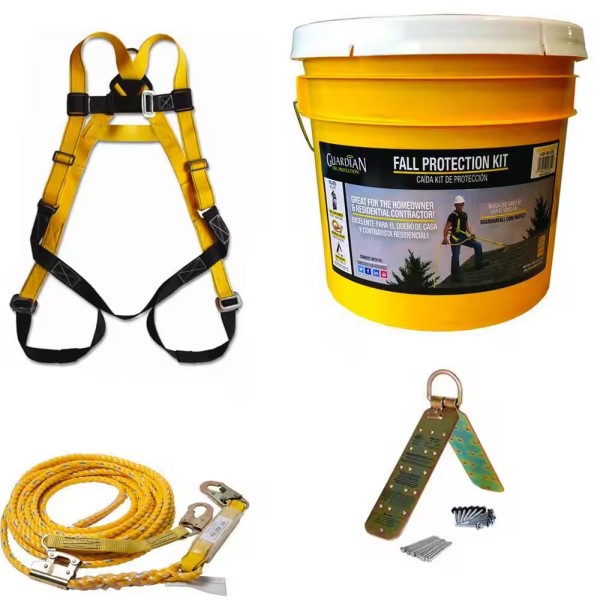
- Protection Systems: Employers must provide appropriate fall protection systems. These include personal fall arrest systems, guardrails, or safety nets, depending on the site.
- Inspection and Maintenance: Equipment used for fall protection must be regularly inspected. Any damaged or worn equipment must be repaired or replaced to ensure safety.
- Hazard Assessment: Employers must identify and address all potential fall hazards at the site. They must also provide proper protective measures to mitigate these risks.
- Training Requirements: Workers must receive adequate training on using fall protection equipment. Employers must ensure training complies with OSHA standards.
OSHA’s fall protection standards protect construction workers from severe injuries. By adhering to these rules, employers create a safer work environment and reduce legal risks.
Key Situations Requiring Fall Protection
Fall protection is essential in many construction activities. Certain scenarios pose higher risks for falls.
Working at Heights
Working at heights increases the risk of falls significantly. OSHA mandates fall protection at construction sites where employees work 6 feet or more above the ground. In these cases, harnesses, guardrails, or safety nets must be used. Employers must assess the site and ensure workers follow fall protection measures.
Scaffolding and Ladders
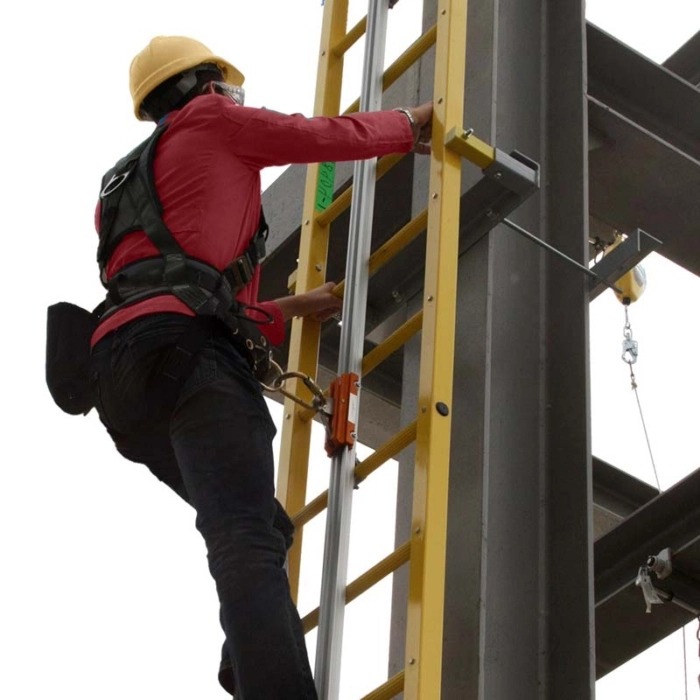
Scaffolding and ladder use often lead to falls if not handled properly. OSHA requires fall protection when workers use scaffolding over 10 feet above the ground. Ladders must be sturdy, free from defects, and appropriately placed. Fall arrest systems should be available when the ladder height poses additional risks.
Roof Work and Leading Edges
Roof work and leading edges expose workers to severe fall hazards. OSHA mandates protection for workers operating near roof edges or open sides. Guardrails, warning lines, or personal fall arrest systems reduce the risk of accidents. Employers need to implement clear protocols to keep workers safe in these areas.
By addressing these high-risk situations, employers can significantly lower the chances of falls. Proper preparation ensures adherence to OSHA rules and protects worker safety.
Types of Fall Protection Systems
When is fall protection required in the construction industry? Fall protection systems are critical in preventing harmful accidents on construction sites. OSHA guidelines mandate using specific systems to safeguard workers. Here, we discuss the key types of fall protection systems.
Personal Fall Arrest Systems
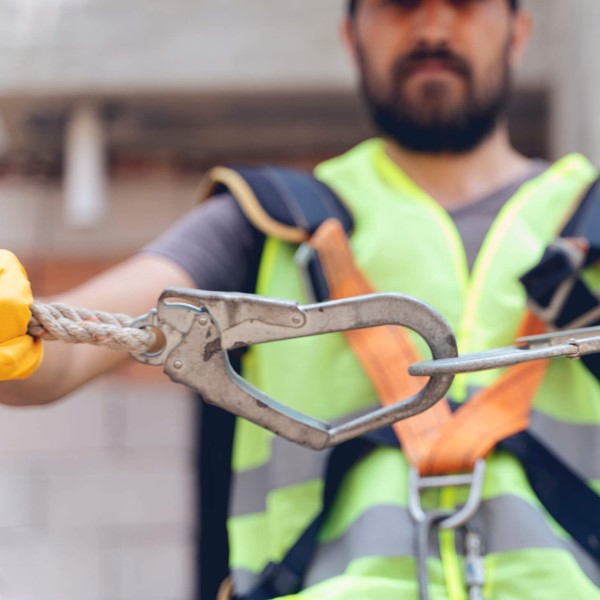
Personal fall arrest systems protect workers at heights. These systems include harnesses, lanyards, and anchorage points. Harnesses keep workers securely fastened to prevent falling. Lanyards connect harnesses to strong anchor points. Employers must ensure systems can handle at least 5,000 pounds of force. Regular inspections of these systems are required to maintain safety. Workers must receive training to use these systems correctly and effectively.
Guardrail Systems
Guardrail systems are designed to prevent falls at edges or elevated platforms. These systems consist of top rails, midrails, and posts. OSHA requires guardrails to be at least 42 inches high. Guardrails ensure that workers do not accidentally step off edges or platforms. Temporary guardrails can be installed during construction activities. Employers need to ensure proper installation and periodic checks to prevent damage or failure.
Safety Net Systems
Safety nets catch workers who fall from heights. These nets must be securely positioned under work areas. OSHA mandates nets to be strong enough to withstand high impact. Nets reduce the severity of injuries in case of falls. They are ideal for areas where guardrails or personal systems are not feasible. Employers must check for wear and tear on nets regularly. Proper placement and maintenance ensure maximum protection.
These systems play essential roles in maintaining worker safety in construction. Employers must select the appropriate protection system for each task. Following OSHA rules ensures a safer workplace and reduces accidents.
Employer Responsibilities Under Fall Protection Regulations
Employers play an essential role in ensuring workplace safety under fall protection regulations. OSHA sets clear rules, and employers must adhere to them to protect workers.
Identifying Fall Hazards
- Employers must assess every job site for potential fall hazards.
- Regular inspections help identify risks before accidents occur.
- Documentation of identified hazards ensures proper tracking and resolution.
Providing Appropriate Fall Protection Systems
- Employers must supply suitable fall protection equipment for each work condition.
- Examples include harnesses, guardrails, and safety nets.
- Equipment must meet OSHA’s safety and strength standards.
Regular Inspection and Maintenance of Equipment
- Employers are responsible for inspecting fall protection systems regularly.
- Repair or replace any damaged or worn equipment immediately.
- Scheduled inspections ensure equipment remains reliable and safe to use.
Enforcing Safety Practices
- Employers must enforce the consistent use of fall protection systems on-site.
- Workers found without required safety gear must be corrected promptly.
- Safety protocols should be communicated and reinforced regularly.
Providing Mandatory Fall Protection Training
- Proper training ensures workers use fall protection gear correctly.
- Employers must arrange OSHA-compliant education for all employees.
- Refresher courses help maintain worker knowledge and awareness.
Keeping Accurate Safety Records
- Employers must maintain detailed safety logs, including inspections, training, and incidents.
- These records demonstrate compliance with OSHA regulations.
By fulfilling these responsibilities, employers can significantly reduce fall-related accidents. Compliance not only follows the law but also protects workers’ lives. Proactive efforts ensure safer construction sites for everyone.
Training and Education Requirements for Fall Protection
Training and education are vital for effective fall protection in construction. Proper instruction equips workers to handle fall hazards and safety equipment appropriately. Employers must prioritize training to comply with regulations and enhance workplace safety.
Importance of Training for Workers
Safe Equipment Usage
- Understanding Equipment: Training equips workers with knowledge about various safety equipment, including harnesses, guardrails, and safety nets.
- Correct Usage: Workers learn the proper techniques for using each piece of equipment to maximize safety and effectiveness.
- Routine Maintenance: Training also emphasizes the importance of regular inspections and maintenance of safety gear to ensure it remains in optimal condition.
Recognizing Hazards
- Identifying Risk Areas: Workers are trained to spot potential fall risks in different environments, such as uneven surfaces, unprotected edges, and overhead hazards.
- Situational Awareness: Training promotes an understanding of how environmental conditions, such as weather changes, can impact safety on construction sites.
- Reporting Procedures: Employees learn the importance of reporting identified hazards to supervisors to facilitate prompt action and enhance overall safety.
Emergency Procedures
- Understanding Protocols: Workers are educated on specific emergency response protocols in case of falls or other accidents.
- Role-Playing Scenarios: Training sessions often include role-playing exercises to practice how to react during emergencies, ensuring that workers are prepared.
- First Aid Training: Teaching basic first aid and CPR can be essential, as it equips workers to provide immediate assistance before professional help arrives, potentially saving lives and reducing the severity of injuries.
OSHA Training Requirements
- Initial Training: Workers must undergo OSHA-approved training before using any fall protection equipment.
- Periodic Refresher Courses: Regular training updates keep workers informed about new safety guidelines and equipment.
- Competent Trainer Designation: Trainers must be qualified and knowledgeable, ensuring effective education.
Employer’s Role in Training
- Provide Comprehensive Training: Employers must offer instruction tailored to specific worksite hazards.
- Verify Training Compliance: Employers should confirm workers have completed OSHA-compliant training programs.
- Monitor Knowledge Retention: Supervisors can test workers periodically to ensure proper understanding of safety procedures.
Key Guidelines for Effective Training
- Use Practical Demonstrations: Demonstrating equipment usage makes training interactive and effective.
- Focus on Real-World Scenarios: Include site-specific hazards and solutions during training sessions.
- Encourage Open Communication: Enable workers to ask questions and discuss safety concerns.
Documentation of Training
- Employers must maintain records of all training sessions.
- Documented evidence is crucial to demonstrate compliance with OSHA regulations.
- Keeping accurate records helps employers track progress and address deficiencies.
Proper training prevents accidents and enhances safety in construction. It empowers workers and reduces fall-related risks. Employers must ensure regular education and adherence to OSHA standards to create safer worksites.
Common Violations and How to Avoid Them
Construction sites can be risky, and fall protection violations are common. Knowing the rules can prevent accidents and ensure worker safety.
Ignoring Height Requirements
- Workers often skip fall protection at heights of 6 feet or more.
- Employers must enforce strict usage of harnesses and safety systems.
- Regular site inspections can catch violations early to avoid accidents.
Improper Equipment Use
- Using damaged or unsuitable fall protection gear leads to safety hazards.
- Employers must inspect all equipment and replace faulty items.
- Workers should be trained on proper equipment usage and maintenance.
Lack of Training
- Workers with poor training may misuse safety gear or fail to identify hazards.
- Employers must provide OSHA-compliant training and refresher courses.
- Supervisors should test knowledge regularly to ensure understanding.
Neglecting Hazard Assessment
- Employers often overlook potential fall risks at worksites.
- Regular evaluations and documentation ensure all hazards are identified.
- Preventive measures should be implemented for each identified risk.
Failing to Use Guardrails and Safety Nets
- Missing guardrails or safety nets creates serious fall hazards.
- Employers must ensure proper installation and regular inspections of these systems.
How to Avoid Common Violations
- Follow OSHA regulations strictly for fall protection.
- Conduct regular site inspections to stay compliant.
- Provide thorough training and education for workers and supervisors.
- Replace damaged protection equipment immediately.
- Document safety and training measures to track compliance.
Construction firms must prioritize safety policies to protect workers and avoid violations. A proactive approach reduces injuries and legal risks while ensuring safety for all.
Importance of Fall Protection for Worker Safety
Fall protection is crucial to ensuring worker safety in the construction industry. It reduces the risk of injuries and saves lives. Accidents at construction sites can be prevented with proper safety measures.
Preventing Fatal Accidents
- Falls are one of the leading causes of fatalities in construction.
- Proper fall protection reduces the risk of life-threatening injuries at heights.
- Using equipment such as harnesses and guardrails keeps workers safe from severe accidents.
Minimizing Workplace Injuries
- Fall protection helps avoid injuries like fractures and head trauma.
- Safety systems reduce the impact of falls, minimizing physical harm.
- Training creates awareness and equips workers to prevent accidents effectively.
Complying with OSHA Standards
- OSHA requirements mandate fall protection above specific height limits.
- Following regulations protects businesses from legal penalties and ensures workplace safety.
- Compliance enhances the industry’s reputation and builds trust with employees.
Protecting Workers and Families
- Injuries impact a worker’s ability to support their family financially.
- Fall protection ensures workers return home safely every day.
- Prioritizing safety fosters a positive work environment.
Boosting Productivity and Efficiency
- Secure workers focus better on their tasks, leading to higher efficiency.
- Reduced accidents mean fewer work delays and interruptions.
- Employers can avoid costs associated with healthcare and lawsuits.
Promoting Long-term Safety Culture
- Regular fall protection measures instill a strong safety culture within teams.
- Safety practices encourage accountability and adherence to regulations.
- Continuous improvement leads to safer construction sites over time.
Prioritizing fall protection safeguards workers, boosts morale, and improves overall workplace productivity. Employers must recognize its importance to protect lives and enhance operations.
Conclusion
In summary, understanding when is fall protection required in the construction industry is critical for maintaining a safe working environment. With falls being a leading cause of injury and death, knowing the regulations, requirements, and protective measures available ensures the well-being of workers. Employers play a crucial role in implementing safety protocols and providing training, while workers must adhere to established guidelines to protect themselves from hazards. Investing in safety measures and staying informed about best practices can ultimately save lives and promote a safer construction landscape.