Introduction
In our fast-paced digital world, effective tracking solutions are essential for personal safety and convenience. The wireless GPS tracker is emerging as a revolutionary tool, enabling users to monitor the location of assets, loved ones, and even pets in real-time. With advancements in technology, these devices have become more versatile, compact, and user-friendly. They cater to a growing demand not only for security but also for peace of mind.
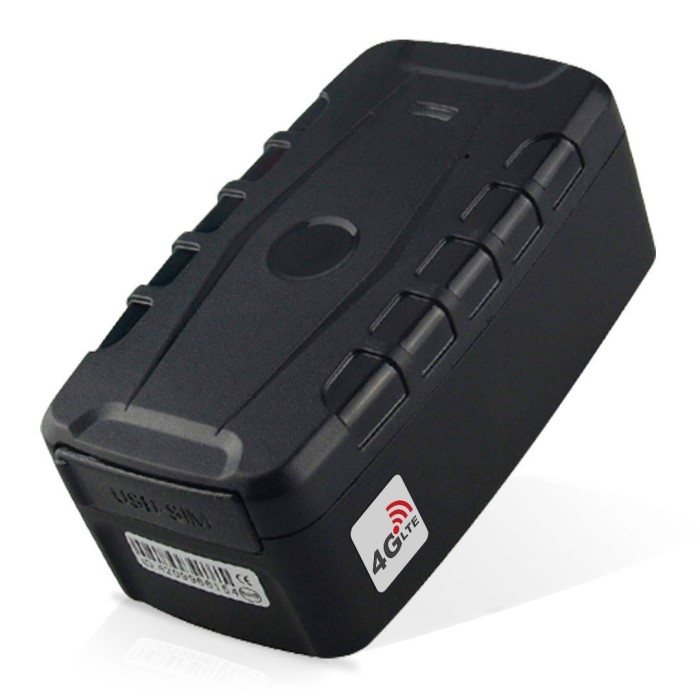
In this article, we will explore the latest wireless GPS tracker technologies available in 2025. We will delve into various types of trackers, their features, benefits, and how to choose the right tracker for your needs. Whether you are looking to keep tabs on your children, pets, or valuable belongings, understanding the capabilities of modern GPS trackers will help you make an informed decision.
Understanding Wireless GPS Tracker Technology
1. How Wireless GPS Trackers Function
- Basics of GPS Technology: At its core, GPS uses a network of satellites that communicate with GPS receivers to determine precise locations. This technology allows trackers to pinpoint objects or individuals anywhere on the planet.
- Wireless Connectivity: Most contemporary GPS trackers utilize wireless technology, such as cellular networks, Bluetooth, and Wi-Fi, allowing real-time data transmission. This enables the user to access location information via a smartphone or computer.
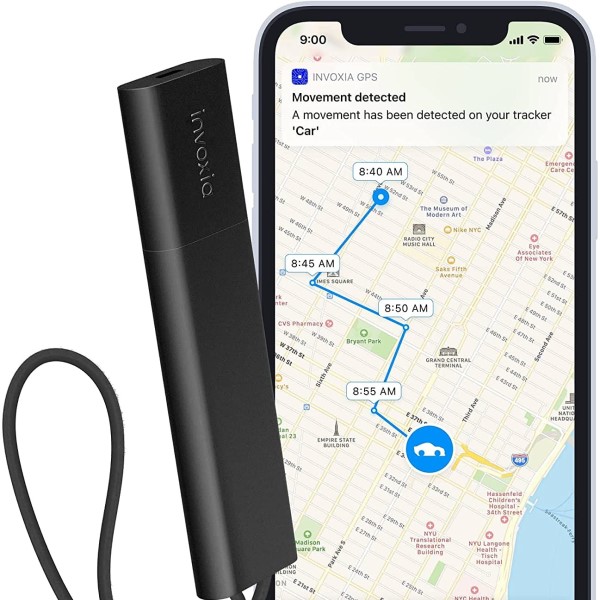
- Data Processing: Information collected by GPS trackers is processed through dedicated apps or software. This allows users to view live maps, check historical data, and receive alerts about location changes.
2. Types of Wireless GPS Trackers
Personal GPS Trackers
- Design and Functionality:
- Compact Size: Personal GPS trackers are typically small and lightweight, making them easy to carry. This compactness allows users to slip them into pockets or bags without inconvenience.
- Versatile Wear Options: Some models can be worn as pendants or attached to clothing, enabling seamless integration into everyday life. This ensures that the tracker remains accessible yet unobtrusive.
- Usage Scenarios:
- Child Safety: Personal GPS trackers are particularly popular among parents who want to keep track of their children’s whereabouts. These devices provide real-time location updates, allowing parents to monitor their children’s movement.
- Emergency Alerts: Many personal trackers are equipped with emergency buttons that, when pressed, notify designated contacts of the user’s location. This feature adds an essential layer of safety, particularly for vulnerable individuals.
- Convenience and Peace of Mind:
- Real-Time Tracking: Users can access their location via a smartphone app, providing peace of mind. This real-time tracking feature helps guardians to know their children’s exact locations at any given moment.
- Affordable Safety: Personal GPS trackers are relatively affordable compared to other safety measures, making them an accessible option for many families looking to enhance security.
Vehicle GPS Trackers
- Purpose and Functionality:
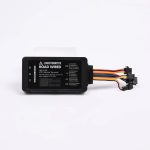
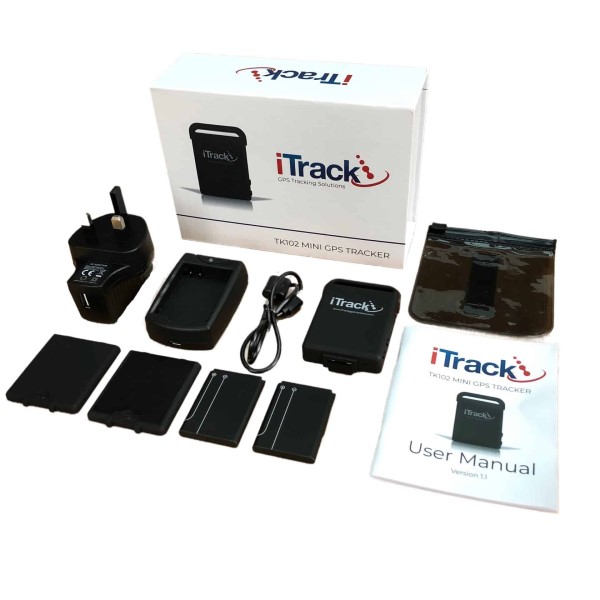
- Location Monitoring: Vehicle GPS trackers designe specifically to monitor the location of cars, trucks, or other vehicles. They enable users to track their vehicles in real-time, ensuring that they can locate them at all times.
- Fleet Management: These devices are essential tools for businesses managing fleets of vehicles. They help in monitoring driver behavior, optimizing routes, and reducing operational costs.
- Key Features:
- Speed Alerts: Many vehicle trackers come with speed alert features, which notify fleet managers if a vehicle exceeds predetermined speed limits. This can promote safer driving practices and improve overall fleet efficiency.
- Geofencing: Geofencing allows users to create virtual boundaries. If a vehicle crosses these boundaries, an immediate alert is sent. This feature is particularly valuable for preventing theft or unauthorized use of vehicles.
- Security and Recovery:
- Theft Recovery: Vehicle GPS trackers play a crucial role in recovering stolen vehicles.
- Insurance Benefits: Installing a GPS tracker in a vehicle can sometimes lead to reduced insurance premiums, as it minimizes the risk associated with theft.
Pet GPS Trackers
- Specialized Tracking:
- Designed for Pets: Pet GPS trackers are specifically engineered to monitor the whereabouts of pets, offering a sense of security for pet owners. These devices are small enough to be comfortably attached to pet collars or harnesses.
- Functionality and Features:
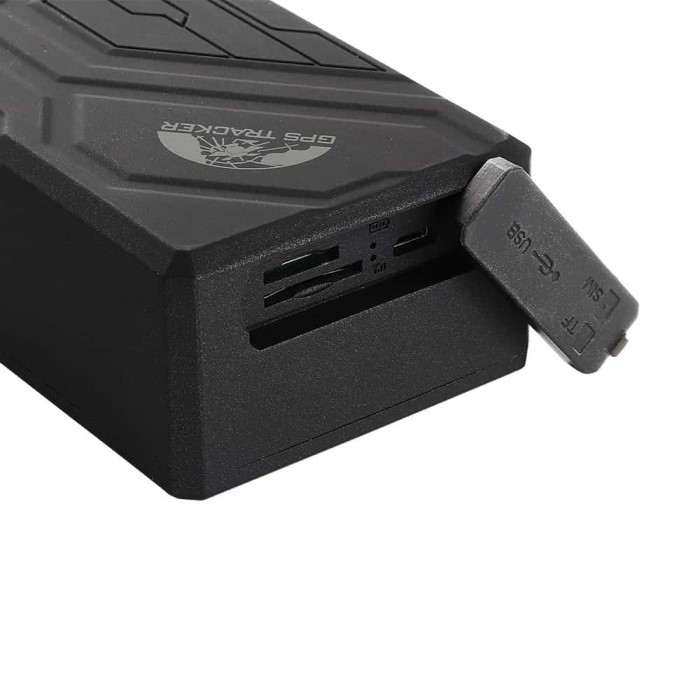
- Real-Time Location Tracking: Pet GPS trackers provide owners with updates on their pets’ locations through smartphone apps. This real-time capability allows for quick action if a pet goes missing.
- Activity Monitoring: Some trackers also offer fitness tracking features, where owners can monitor their pet’s exercise levels, sleep patterns, and overall activity. This promotes better health and wellness for pets.
- Peace of Mind for Pet Owners:
- Constant Awareness: Knowing where a pet is at all times brings peace of mind to pet owners, especially for those who live in areas where pets may encounter dangers.
- Lost Pet Recovery: In cases where a pet has wandered off, a GPS tracker can significantly enhance the chances of finding them quickly. Owners can view a history of the pet’s movements, allowing them to retrace steps and locate their furry companions faster.
Features
1. Real-Time Location Tracking
- Instant Updates: Most wireless GPS trackers provide real-time updates on the location of the tracked item or person. This feature is vital for ensuring the safety of children and pets.
- Geofencing: Many trackers come with geofencing capabilities, allowing users to set virtual boundaries. This is particularly useful for monitoring children or pets.
2. Compact and Versatile Design
- Portability: Modern trackers are designed to be lightweight and portable, making them easy to carry.
- Customizable Options: Users can choose trackers with specific features that meet their needs, including wearable designs, clip-on models, and those that can embed in bags or vehicles.
3. Long Battery Life and Durability
- Extended Battery Performance: Today’s GPS trackers often come with longer battery life, with some lasting several weeks on a single charge. This reduces the frequency of charging and enhances convenience for users.
- Weather Resistance: Many wireless GPS trackers are now designed to be weather-resistant. This durability is essential for outdoor use, ensuring the device remains operational in various conditions.
Benefits of Wireless GPS Trackers
1. Enhanced Safety and Security
- Child and Pet Monitoring: One of the significant benefits of wireless GPS trackers is the ability to monitor children and pets. Parents can feel confident that they can locate their children or pets quickly if they wander off or are lost.
- Theft Recovery: Vehicle GPS trackers can be instrumental in recovering stolen vehicles. The GPS provides real-time tracking for law enforcement, increasing the chances of recovery.
2. Improved Accountability
- Fleet Management: Businesses can use vehicle GPS trackers to monitor employee driving habits, improve route efficiency, and ensure accountability. This can lead to reduced operational costs and improved customer satisfaction.
- Personal Monitoring: Individuals can utilize GPS trackers for personal accountability, such as runners or hikers who want to share their location with friends or family for added safety.
3. Peace of Mind
- Constant Awareness: Knowing the location of your loved ones or valuable possessions can provide significant peace of mind. This comfort is especially valuable for parents and pet owners.
- Emergency Alerts: Many modern GPS trackers come equipped with emergency alert features. In case of an emergency, users can send notifications to designated contacts instantly, providing an added layer of safety.
Choosing the Right Wireless GPS Tracker
1. Identifying Your Needs
- Purpose of Tracking: Determine what you intend to track—be it a child, pet, vehicle, or valuable item. Different trackers cater to different purposes, so it’s vital to select one that suits your specific needs.
- Desired Features: Key features to consider include real-time tracking, geofencing, battery life, and durability. Assessing your requirements will help narrow your options.
2. Device Compatibility and Software
- Mobile App Availability: Ensure that the GPS tracker comes with an easy-to-use mobile app. The app should be compatible with your smartphone and provide a clear interface for accessing location data.
- Integration with Other Devices: Some trackers can be synced with smart home systems or wearables. This integration can enhance functionality and streamline your tracking experience.
3. Budget Considerations
- Price Range: Wireless GPS trackers come in a range of prices. Establishing a budget before purchasing will help you find a tracking solution that meets your requirements without overspending.
- Ongoing Fees: Be aware that many GPS tracking devices require a subscription fee for data services. Factor this into your overall budget when selecting a device.
FAQs
1. Are GPS trackers wireless?
Yes, most modern GPS trackers use wireless technology to transmit location data, allowing you to receive updates on your smartphone or computer.
The best hidden GPS tracker varies depending on your needs. Popular options include the Tile Pro for personal items and the Jiobit Smart Tag for kids or pets. Dedicated GPS trackers often offer superior tracking capabilities for specific uses.
3. Which is better, AirTag or GPS?
Apple AirTag is designed for item tracking, using Bluetooth technology. In contrast, a GPS tracker provides real-time location tracking using cellular networks. If you need to track items over long distances with live updates, a GPS tracker is typically the better choice.
Conclusion
In summary, the advancements in wireless GPS tracker technologies have transformed how we monitor and ensure safety in our daily lives. From personal safety to keeping tabs on valuables, these devices offer peace of mind and greater control over your environment. As you decide on the right tracker for your needs, consider factors such as functionality, compatibility, and budget.
Understanding the features and capabilities of the latest devices will ensure you choose a GPS tracker that best fits your lifestyle. Embrace these innovations to stay connected and enhance your security during 2025 and beyond!