Importance
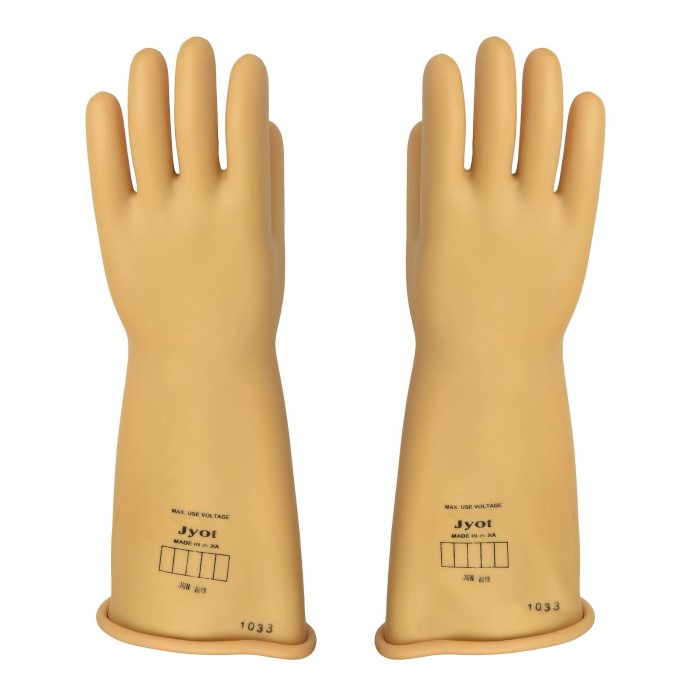
Electrical safety gloves are vital for protecting workers from electrical hazards. These gloves act as a primary barrier, preventing electrical currents from passing through the body. Without proper protection, workers face severe injuries or even fatal accidents. Understanding their importance ensures a safer working environment.

Why Electrical Safety Gloves Are Necessary
Electrical safety gloves are necessary to protect against electric shocks and burns. They are designed to insulate workers from harmful voltage. Many job roles, such as electricians and utility workers, require direct contact with live wires or equipment. Gloves act as a key safety measure to avoid direct exposure to electricity. Moreover, they help ensure compliance with safety standards and regulations. These gloves are essential for maintaining worker safety and reducing risks in hazardous environments.
Common Electrical Hazards and Risks
Electrical work often involves exposure to various hazards. Some common risks include:
- Electric shocks: Direct contact with live wires leads to life-threatening shocks.
- Burns: High voltage can cause severe thermal burns on contact with the skin.
- Arc flashes: Sudden discharges can result in intense heat and light, causing injuries.
- Electrical fires: Short circuits and improper handling of equipment can ignite fires.
Wearing specialized gloves minimizes these risks. Regular use ensures safety while handling high-voltage systems or energized equipment. Remember that improper gloves or neglecting their maintenance increases exposure to these dangers.

Types
Electrical safety gloves come in various types to suit different tasks and hazards. Selecting the right glove ensures maximum protection against electrical risks. Two primary factors distinguish these gloves: their voltage protection level and the materials used. Let’s explore these classifications in detail.
Classification Based on Voltage Protection
Electrical gloves are divided into classes based on the level of voltage they can withstand. The American Society for Testing and Materials (ASTM) defines these standards:
- Class 00: Protects against low voltage up to 500 volts.
- Class 0: Suitable for up to 1,000 volts.
- Class 1: Handles up to 7,500 volts.
- Class 2: Designed for up to 17,000 volts.
- Class 3: Provides protection for up to 26,500 volts.
- Class 4: Built for extreme cases, up to 36,000 volts.
These voltage levels also determine the suitability of gloves for various job environments. Workers should select gloves based on the maximum voltage exposure they may encounter.
Material Variants and Their Benefits
Electrical safety gloves are made from specific materials to enhance protection and durability. Different materials have unique benefits:
- Rubber Gloves: Offer excellent dielectric properties and flexibility. They prevent electric currents from passing through.
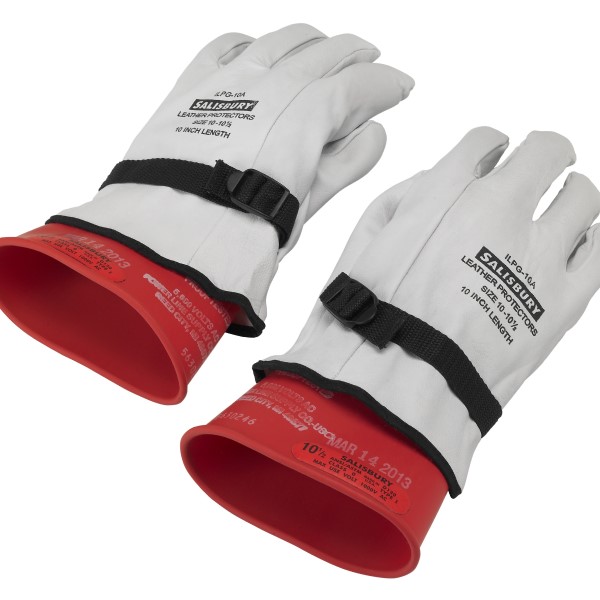
- Leather Protectors: Worn over rubber gloves for extra protection. They shield against mechanical damage and cuts.
- Composite Gloves: Combine electrical insulation with mechanical strength. Ideal for dual protection.
Choosing the right material increases both safety and comfort. Workers should prioritize gloves that match their task requirements and exposure type.
Remember, the right combination of classification and material ensures optimal protection. Regular testing and maintenance are also vital for sustained safety performance.

Standards and Regulations
Understanding the standards and regulations for electrical safety gloves is essential for selecting the right equipment. These standards ensure the safety and effectiveness of the gloves in different situations. Organizations like ASTM and OSHA establish important requirements and guidelines.
Overview of ASTM and OSHA Requirements
ASTM (American Society for Testing and Materials) provides clear standards for electrical safety gloves. These standards classify gloves based on voltage levels. Each class specifies the maximum voltage the gloves can handle safely.
The OSH Act, regulated by OSHA (Occupational Safety and Health Administration), mandates workplace safety. OSHA highlights the need for proper protective equipment, including electrical safety gloves. Employers must ensure all gloves meet ASTM standards and pass regular testing.
OSHA also focuses on training workers about using safety gloves properly. Workers must know the gloves’ limitations and adhere to all safety protocols. Understanding these requirements reduces accidents and ensures proper worker protection.
Compliance with International Standards
Compliance with international standards is vital for global consistency and safety practices. Many countries adopt or align their standards with those of organizations like the IEC (International Electrotechnical Commission). The IEC 60903 standard is widely recognized for the performance and testing of electrical insulating gloves.
To achieve compliance, manufacturers must ensure that gloves meet these global benchmarks. International standards focus on material quality and resistance to electric voltage.
Businesses operating internationally should verify that their equipment complies with these standards. Adherence to both local and international norms minimizes risk and ensures robust protection for workers.
Understanding and adhering to applicable standards and regulations enhance workplace safety. Workers and employers should prioritize compliance to maintain high levels of protection against electrical hazards.
Factors to Consider When Choosing Gloves
Choosing the right electrical safety gloves requires evaluating key factors. Proper gloves provide effective protection and enhance safety during electrical tasks. Below are the essential considerations when selecting gloves.
Voltage Rating and Protection Levels
The voltage rating of gloves determines their ability to insulate against electric currents. Always select gloves based on the maximum voltage exposure in your work environment.
- Class 00: Suitable for low voltage up to 500 volts.
- Class 0: Effective insulation for up to 1,000 volts.
- Class 1: Works for exposures up to 7,500 volts.
- Class 2: Protects against voltages as high as 17,000 volts.
- Class 3: Covers environments with up to 26,500 volts.
- Class 4: Designed for extreme voltage of up to 36,000 volts.
Matching gloves with the right voltage class ensures worker safety and prevents accidents in hazardous settings.
Fit and Comfort Considerations
Gloves should fit properly to maintain dexterity and usability during tasks. Too tight gloves restrict movement, while loose gloves compromise safety.
- Ensure the gloves cover wrists fully for enhanced insulation.
- Adjustable cuffs or straps help secure the gloves in place.
- Prioritize gloves with ergonomic designs to reduce fatigue during prolonged use.
Comfort is crucial in ensuring workers wear gloves consistently and perform efficiently.
Durability and Wear Resistance
Durable gloves withstand regular use and provide reliable protection over time. They prevent damage from wear and tear, ensuring extended usability.
- Check for reinforced areas, especially in contact zones.
- Opt for gloves made from high-quality materials like rubber and leather composites.
- Confirm the gloves resist physical damage, such as abrasions and cuts.
Durable gloves reduce replacement frequency, saving costs and enhancing long-term safety.
Selecting gloves with the proper voltage rating, snug fit, and durability ensures maximum protection. Regular evaluation of these factors helps workers stay safe in electrical environments.
Proper Testing and Maintenance of Gloves
Testing and maintaining electrical safety gloves is essential for effective protection. Gloves only remain reliable when they are properly cared for and regularly checked. Neglecting these steps can lead to accidents and safety failures.
Electrical Testing Procedures
Electrical testing ensures gloves meet safety standards and can handle high-voltage exposure. Follow these steps:
Visual Examination
- Inspect for Tears: Carefully examine the entire surface of the gloves for any visible tears or rips. Even minor tears can significantly compromise the glove’s protective capabilities, increasing the risk of electrical exposure during use.
- Check for Cuts: Look for cuts or abrasions on the glove material. Cuts can weaken the glove’s structural integrity and may not provide adequate insulation, making it essential to address any discovered damage immediately.
- Look for Cracks: Pay particular attention to areas that are commonly flexed or folded. Cracks may develop over time due to wear and tear, which can lead to potential hazards. Ensure that no part of the glove exhibits signs of cracking.
- Importance of Small Damages: Remember that small damages, often overlooked, can lead to significant safety issues. If any puncture, tear, or crack is found, replace the glove before use.
Air Inflation Test
- Inflate the Gloves: To perform the air inflation test, carefully inflate the gloves using a pump or by blowing air into them. Ensure that the gloves are fully expanded to check for any weaknesses in the material.
- Check for Leaks: After inflating, inspect the gloves for any areas where air may be escaping. A leak in the gloves indicates that there may be flaws in the insulation, which could compromise safety during electrical work.
- Assess Insulation Ability: A successful air inflation test confirms that the gloves maintain their integrity and provide adequate insulation. If any leaks are present, do not use the gloves, as their protective qualities have been diminished.
Electrical Test
- Use Specialized Equipment: Employ specialized testing equipment designed to assess the gloves’ insulation strength. This equipment typically applies a controlled electrical current to the gloves to evaluate their protective capabilities.
- Testing Insulation Strength: The key objective during this test is to determine how well the gloves can withstand electrical currents. The results will indicate whether the gloves can safely protect against specific voltage levels.
- Confirm Voltage Class: After conducting the electrical test, verify that the gloves match their specified voltage class. Each type of glove is rated for a specific maximum voltage, and ensuring this alignment is crucial for safety.
Manufacturer Guidelines
- Follow Manufacturer Instructions: Always adhere to the testing frequency and procedures outlined by the glove manufacturer. Each manufacturer may have specific guidelines regarding the care and testing of their products.
- Understand Testing Frequency: Familiarize yourself with how often gloves should be tested based on the manufacturer’s recommendations. Regular testing frequency is essential for maintaining optimal safety standards.
- Compliance with Safety Standards: Ensuring compliance with manufacturer guidelines helps in maintaining the integrity of the gloves and guarantees that they provide the required level of protection. Following these guidelines enhances safety and reduces the risk of accidents during electrical work.
Tests must be conducted before first use and regularly after. Most standards recommend testing every six months. Workers should avoid gloves with any defects to stay safe.
Inspection and Care Guidelines
Routine inspections and proper care help maintain glove integrity. Key steps include:
- Daily Checks: Examine gloves for visible damage before each use.
- Cleaning: Wash gloves as recommended, avoiding harsh chemicals that degrade material.
- Storage: Keep gloves away from heat, sunlight, and sharp objects. Use designated storage bags.
- Rotation: Have spare gloves available and rotate their use to reduce wear.
Each inspection should consider the condition of both the gloves and leather protectors. Replace worn gloves immediately to avoid risks. Following care guidelines ensures gloves remain reliable for longer.
Regular testing and thoughtful maintenance maximize glove safety and performance. These practices are crucial for protecting against electrical hazards.
Common Mistakes to Avoid
Mistakes with electrical safety gloves can lead to accidents. Avoid these errors to maintain safety.
Using Non-Compliant Gloves
Using gloves that do not meet standards is dangerous. Non-compliant gloves lack proper insulation or protection. Always ensure gloves meet ASTM and OSHA standards. Verify the voltage rating and choose gloves suitable for your environment. Using incorrect gloves increases risk of electric shocks and other hazards. Select gloves from trusted manufacturers to ensure compliance. Regularly test compliance with international standards for extra safety.
Ignoring Regular Maintenance
Neglecting glove maintenance reduces safety. Damaged gloves lose their insulation capacity and protection. Always check for tears, cracks, or leaks before use. Clean gloves as advised to preserve material quality. Store gloves properly to prevent damage from heat, sharp objects, or moisture. Perform regular electrical testing to confirm insulation strength. Replace gloves showing signs of wear immediately. Proper care makes gloves last longer and stay reliable. Ensuring maintenance avoids accidents and protects workers efficiently.
Additional Protective Measures
Electrical safety gloves protect workers from dangerous electrical hazards. However, additional measures can improve overall safety. By combining gloves with other protective equipment and using complementary accessories, workers can create a robust barrier against risks.
Accessories That Enhance Safety
Several accessories can enhance the effectiveness of electrical safety gloves. These include:
- Leather Protectors: Worn over rubber gloves to protect against cuts and abrasions.
- Glove Liners: Improve comfort and reduce sweat during extended use.
- Storage Bags: Keep gloves free from damage, moisture, dirt, and ultraviolet light.
- Cuff Expanders: Prevent gloves from sliding down and ensure proper fit during work.
- Cleaning Products: Special solutions that maintain glove quality without harming the material.
Using these accessories helps maintain glove integrity and ensures worker comfort during tasks. Proper use of accessories extends the life of gloves while keeping workers safe.
Combining Gloves with Other PPE
Relying solely on electrical safety gloves might not be enough for maximum worker protection. Combining gloves with other personal protective equipment (PPE) strengthens safety. Essential PPE includes:
- Insulated Sleeves: Protect arms from accidental contact with live wires.
- Hard Hats and Face Shields: Shield the head and face from arc flashes and falling objects.
- Safety Boots with Insulated Soles: Prevent electrical currents from reaching the ground through your body.
- Flame-Resistant Clothing: Protect against arc flash burns and fire hazards.
Using a combination of PPE allows workers to address a broader range of risks. Properly training employees to use these items ensures effective safety practices.
By using accessories and combining gloves with complementary PPE, workers can enhance protection. Such measures significantly reduce the potential for accidents and injuries during high-risk electrical tasks.
Conclusion: Ensuring Safety with the Right Gloves
In conclusion, choosing the right electrical safety gloves is a crucial task that cannot be overlooked. With advances in technology and materials, the options available in 2025 are more effective than ever. Remember to consider key features like voltage rating, fit, and material composition when making your selection.
By prioritizing safety in your work routine, you significantly reduce the risk of accidents and injuries associated with electrical tasks. Invest in a quality pair of electrical safety gloves that meet industry standards, and ensure your safety and productivity on the job. Your hands deserve the best protection as you work with electricity, and the right gloves will provide the peace of mind you need to focus on your tasks.