Introduction: Understanding Frostbite in Dogs
As winter approaches, pet owners must be vigilant about their dogs’ health and safety in cold conditions. One serious concern is frostbite, which can significantly harm a dog’s health if left untreated. Understanding the signs of frostbite in dogs is crucial for early detection and effective intervention. Frostbite occurs when a dog’s skin and underlying tissues freeze due to prolonged exposure to cold temperatures. This condition can lead to severe damage if not addressed promptly.
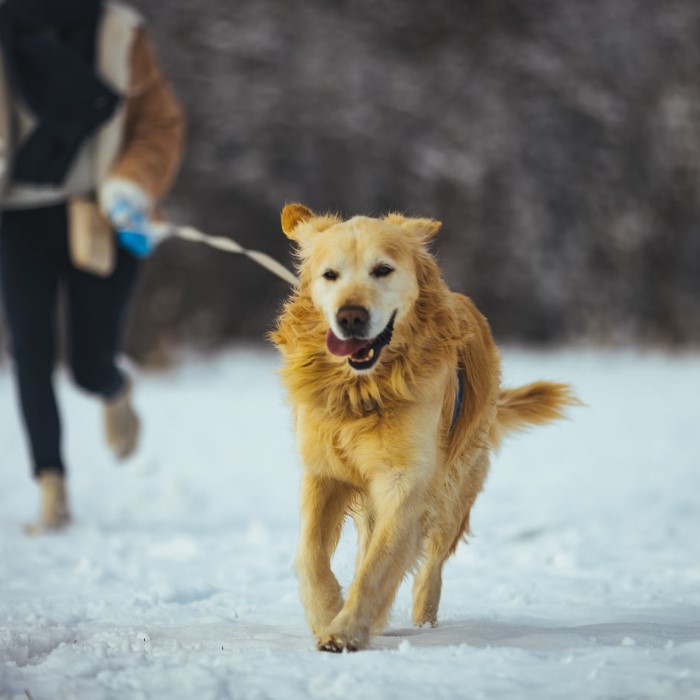
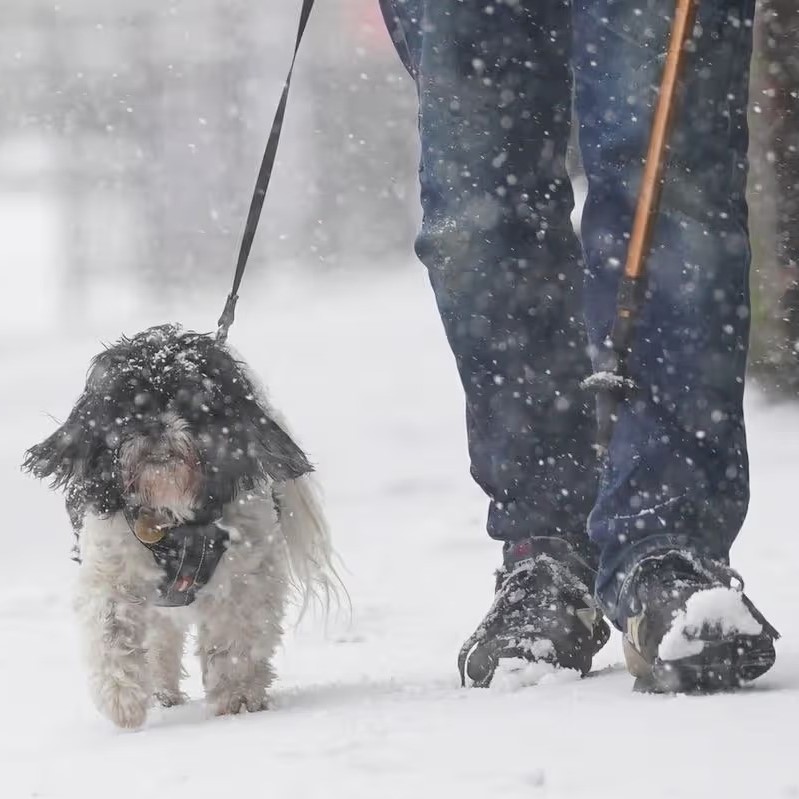
In this article, we will explore the early signs of frostbite in dogs, discuss its causes, and provide essential tips on how to keep your furry friend safe during chilly weather. By familiarizing yourself with these signs and preventive measures, you can ensure your dog’s well-being during winter months.
What Causes Frostbite in Dogs?
Frostbite occurs when dogs are exposed to extremely low temperatures, particularly under specific conditions. Here are some primary causes and contributing factors:
- Extreme Cold Temperatures: When the temperature drops significantly, particularly below 32°F (0°C), dogs become at risk for frostbite. While some breeds are more resilient to cold, all dogs can suffer from excessive exposure.
- Wind Chill Factor: Wind chill can exacerbate the effects of cold temperatures, allowing frostbite to develop much quicker. A cold, gusty wind can strip away the insulating warmth of fur, leading to accelerated heat loss.
- Wet Conditions: Moisture greatly increases the risk of frostbite. If a dog’s fur is wet from rain or snow, it can lose heat rapidly, further increasing its vulnerability to cold injury.
- Time of Exposure: Longer exposure to cold increases the likelihood of developing frostbite. Even a short period in extreme conditions can lead to frostbite, especially if the dog is wet or exposed to strong winds.
- Health Factors: Dogs with compromised health, older dogs, and those with poor circulation are at a higher risk of frostbite. Additionally, certain breeds that have short or thin coats can also be more susceptible to cold injury.
By understanding these factors, dog owners can take proactive measures to prevent frostbite and ensure their pets remain safe and comfortable in the winter months.
Early Signs of Frostbite in Dogs
Recognizing the early signs of frostbite in dogs is essential for prompt treatment and care. Here are some common indicators to look for:
Redness and Color Change
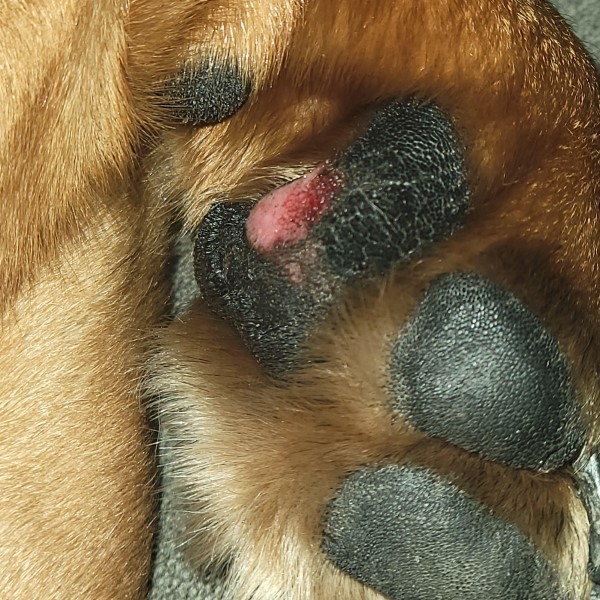
The first sign of frostbite often appears as redness or discoloration in the affected areas, typically on a dog’s ears, paws, and tail. The impacted skin may appear bright red initially but can fade to pale or white as circulation diminishes. Observing changes in skin color should prompt immediate attention.
Cold Sensation
Areas affected by frostbite will feel notably colder than the surrounding skin. If you touch your dog’s ears, paws, or tail and notice they feel significantly colder, this is a warning sign. The cold sensation indicates that the dog’s circulation is compromised, increasing the risk of serious injury.
Swelling and Hardening
As frostbite progresses, swelling may occur in affected areas. The skin may become swollen and hard to the touch, reflecting tissue damage beneath the surface. Continued monitoring is essential, as further inspection can reveal more concerning symptoms, such as blisters or hardened skin.
Tingling or Stinging Sensation
Dogs may show signs of discomfort or agitation if frostbite begins to set in. They may appear restless or frequently shake their limbs. While they cannot express feelings in words, these behavioral changes can indicate that the affected area is uncomfortable or painful. Owners should be vigilant in observing any unusual behavior.
Limping or Hesitation to Walk
Frostbite may cause discomfort that leads to limping or hesitance when moving. If a dog is unwilling to walk or seems to have difficulty putting weight on its paws, inspecting the limbs for signs of frostbite is critical. This symptom can significantly impact a dog’s quality of life and should not be overlooked.
Overall, recognizing these early signs of frostbite is vital to provide timely treatment and prevent further complications. If you suspect your dog is suffering from frostbite, it is crucial to act quickly.
What to Do If You Suspect Frostbite
If you notice early signs of frostbite in your dog, take immediate action to address the situation. Here are the steps you should follow:
Move to a Warm Environment
The first step is to bring your dog indoors or to a warmer location. Keeping your dog warm will help prevent further heat loss and promote blood flow to affected areas. Creating a comfortable environment is essential in ensuring recovery.
Gradually Rewarm Affected Areas
Gently rewarm the affected areas using your hands or warm (not hot) water. Submerging the frozen areas in lukewarm water for about 15-30 minutes can soothe discomfort and gradually restore circulation. Avoid direct heat sources, such as heating pads or hair dryers, as these can lead to burns.
Avoid Rubbing the Affected Area
While you may want to massage or rub the frozen areas to stimulate circulation, refrain from doing so. Rubbing can cause further damage to tissues and worsen the situation. Instead, focus on gentle warming methods as mentioned above.
Seek Veterinary Assistance
If you notice severe symptoms like blistering, blue or purple discoloration, or your dog’s condition does not improve, seek professional vet care immediately. Advanced frostbite may require medical intervention, including medications or procedures to promote healing.
Monitor Your Dog’s Recovery
After you have addressed frostbite symptoms, continue monitoring your dog for any changes. Even after initial treatment, observe for signs of healing. If symptoms worsen or new issues arise, take your dog back to the vet for further evaluation.
How to Prevent Frostbite in Dogs
Preventing frostbite is far more effective than treating it after the fact. Here are some key strategies to keep your dog safe in cold weather:
Dress Appropriately
Consider using dog jackets or sweaters designed to provide warmth and insulation during cold outings. Ensure that the clothing fits properly for maximum comfort. Accessories like booties can protect your dog’s paw pads from the cold ground.
Limit Outdoor Time
Keep walks short and monitor the temperature before heading outside. If conditions are extremely cold, opt for indoor activities or play sessions to ensure your dog stays warm and comfortable.
Avoid Wet Conditions
Try to keep your dog away from wet or snowy areas while walking. Wet fur can dramatically increase the risk of frostbite, so use paw wipes and towels to dry off any snow or water immediately after outdoor activities.
Create a Warm Space Indoors
When indoor temperatures are low, provide your dog with a warm sleeping space. Ensure they have access to warm bedding and blankets that can help insulate against chilly drafts.
Consult Your Veterinarian
If you are unsure whether your dog can tolerate cold weather due to age, health, or breed, consult your veterinarian. They can provide tailored advice on how to keep your dog safe during winter.
By practicing these preventive measures, you can significantly reduce the risk of frostbite in your dog and keep them happy and healthy during cold weather.
FAQs About Frostbite in Dogs
How Can I Tell If My Dog Has Frostbite?
Signs of frostbite in dogs include redness, cold sensation, swelling, discoloration, and limping. Pay attention to any changes in behavior that indicate discomfort or distress.
Can Dogs Recover from Frostbite?
Yes, dogs can recover from frostbite, especially with early detection and prompt treatment. The severity of frostbite directly impacts recovery time and long-term effects.
How Long Does It Take for Frostbite to Set In Dogs?
Frostbite can begin to develop in dogs within 30 minutes of exposure to extremely cold temperatures, particularly when wind chill is involved. Vigilance is crucial.
What Do Early Signs of Frostbite Look Like?
Early signs of frostbite include redness, cold skin, swelling, and a tingling sensation. Observing these signs promptly can lead to effective treatment and prevent further injury.
Conclusion: Keeping Your Dog Safe from Frostbite
In conclusion, being aware of the early signs of frostbite in dogs is essential for keeping your furry friend safe during cold weather conditions. Understanding the causes and taking preventive measures can significantly reduce the risk of frostbite. If you suspect your dog is experiencing frostbite, quick intervention is crucial to minimize damage and promote recovery.
As a responsible pet owner, your vigilance and preparedness can create a safe environment for your dog during winter months. By implementing care strategies and recognizing the signs of frostbite early, you can ensure your dog remains safe, healthy, and happy despite the challenges of cold weather.