The Critical Importance of Recognizing Toxic Plants
Spending time outdoors offers wonderful benefits. Hiking allows us to connect with nature. It provides exercise and fresh air. However, the wilderness contains hidden dangers. One of the most common threats is toxic plants. Many hikers worry about encountering these plants. They fear the itchy rash that follows. Therefore, understanding the risks is the first step to safety. Poison ivy identification is a crucial skill for anyone who loves the outdoors. It prevents uncomfortable medical issues. It ensures your hiking trip remains enjoyable. Many people assume they know what the plant looks like. Yet, mistakes happen frequently. The plant changes its appearance throughout the year. It grows in various forms. Consequently, hikers must educate themselves thoroughly.
Furthermore, the consequences of contact can be severe. The rash, known as contact dermatitis, causes intense itching. It leads to blisters and swelling. This reaction is caused by an oil called urushiol. This oil is found in the leaves, stems, and roots. Even a tiny amount can trigger a reaction. The oil sticks to clothing, tools, and pet fur. It remains potent for years. Therefore, avoiding the plant entirely is the best strategy. You must learn to spot it before you touch it. This knowledge protects you and your family.
In addition, the plant is widespread. It grows in forests, fields, and backyards. It thrives in many different climates. You might encounter it on a narrow trail. You might find it in a campsite. It is not limited to deep wilderness. It often grows at the edges of paths. This is where hikers frequently step.
The Rule of Three: Analyzing Leaf Structure
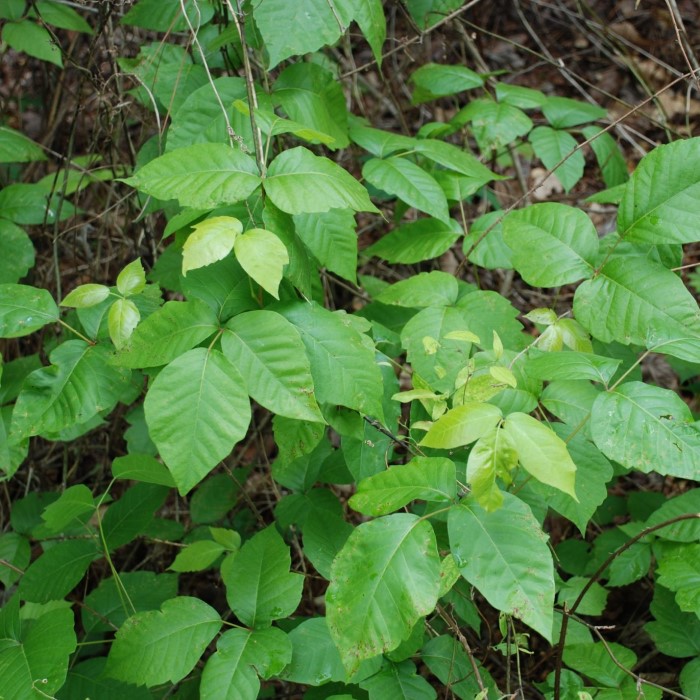
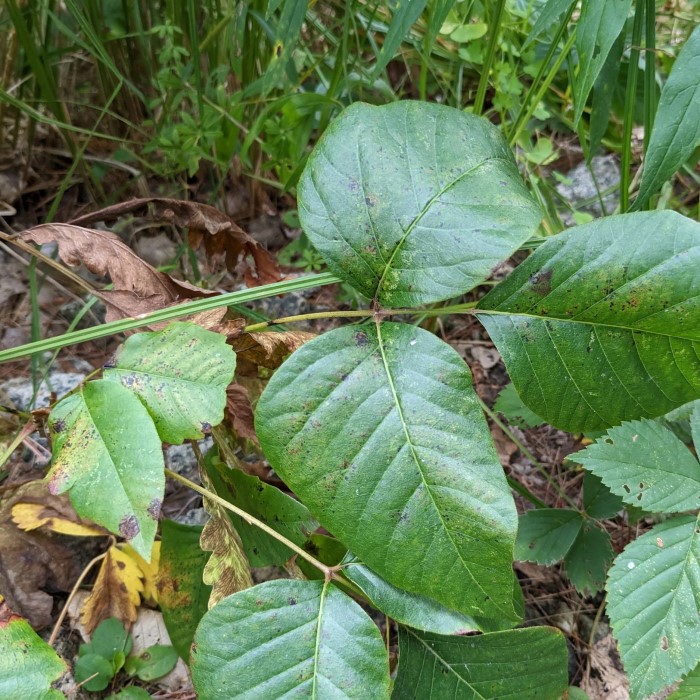
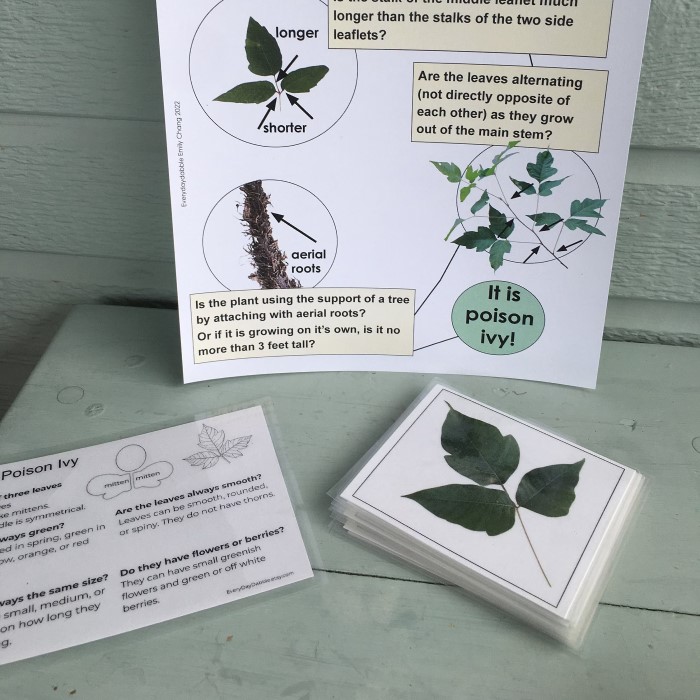
The most famous characteristic of this plant is its leaves. Most people have heard the saying, “Leaves of three, let it be.” This rhyme serves as a helpful warning. However, it is not the only clue. The leaf structure requires closer inspection. First, look at the stem. The middle leaflet has a longer stem than the two side leaflets. The side leaflets grow almost directly from the main vine. They are closely attached. This specific arrangement is a key identifier. The middle leaf stands out more.
Furthermore, the shape of the leaves varies. They are not uniform. One plant might have smooth edges. Another might have jagged or lobed edges. Some leaves look like oak leaves. Others look like mittens. This variation confuses many hikers. Therefore, do not rely on leaf shape alone. Instead, look for the pattern. The three-leaflet pattern is consistent. However, you must check the texture. The leaves are often glossy or shiny. They usually have a smooth surface. Sometimes, they have a slightly reddish tint. This depends on the season.
In addition, pay attention to the angles. The side leaflets often have an irregular shape. They typically have a thumb-like lobe. This gives them a “mitten” appearance. The veins on the leaves are also prominent. They are often reddish. This contrasts with the green leaf tissue. Examining these details helps confirm your suspicion. If you see a plant with three leaflets, treat it with caution. Do not touch it. Walk around it carefully. Take a photo if you need to compare it later. Remember, the leaf structure is your first line of defense. But it is not foolproof. You must combine it with other identifying features. This holistic approach prevents errors. It keeps you safe on the trail.
Seasonal Changes and Color Variations
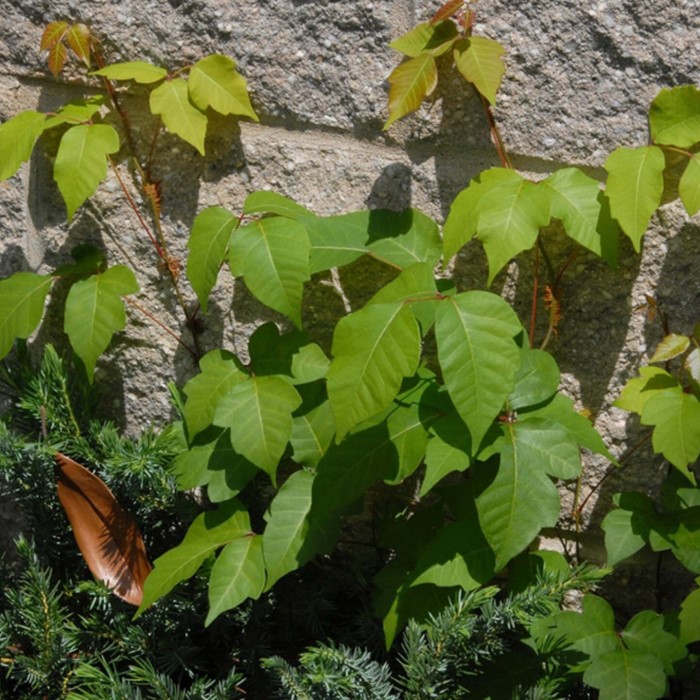
One of the biggest challenges is the plant’s ability to change. It looks different in every season. In the spring, the leaves are often reddish or bronze. They emerge from the bud with a shiny coat. They look innocent and small. Sometimes, they are confused with young tree saplings. However, the red color is a warning. It signals the presence of the toxic oil. As the season progresses, the leaves turn green. They become larger and more robust. In the summer, the plant is fully green. It blends in with other vegetation. This is the most dangerous time. The camouflage is effective.
Furthermore, autumn brings another transformation. The leaves turn brilliant colors. They become bright red, orange, or yellow. They look stunningly beautiful. In fact, they are often prettier than the surrounding non-toxic plants. Many hikers are tempted to pick these colorful leaves. This leads to unfortunate outcomes. The plant is still toxic in the fall. The oil does not disappear with the color change. Therefore, you must recognize the plant even when it is red. The red leaves still follow the “leaves of three” rule. They still have the same structural arrangement.
In addition, winter poses a unique threat. The leaves fall off. You are left with bare vines. This is known as “winter hairy vines.” The vines have a fuzzy appearance. They are covered in small, hair-like roots. These roots help the vine cling to trees. You can see these vines climbing high into the branches.
Distinguishing Between Vines, Shrubs, and Ground Cover
This plant is a shapeshifter. It does not stick to one growth form. It can grow as a ground cover. This variability causes significant confusion. Hikers often look only at the ground. They forget to look up. As a ground cover, it spreads horizontally. It creeps along the forest floor. It looks like a low weed. This form is common along trails edges. You might step on it accidentally. Therefore, watch where you place your feet.
Furthermore, the shrub form is upright. It stands alone like a bush. This form is common in open areas. It might look like a small tree. The leaves still follow the “leaves of three” pattern. The shrub can grow quite tall. It might reach several feet in height. This form is dangerous because you might brush against it while walking past. It is distinct from the climbing vine but equally toxic. You must recognize all forms.
In addition, the climbing vine is perhaps the most impressive. It scales trees using aerial rootlets. These are the “hairs” mentioned earlier. The vine wraps tightly around the trunk. It can grow very high. Sometimes, the leaves appear far above your head. You might not see the leaves on the ground. However, the vine is still there. It often looks like a thick rope. Do not touch the trunk of the tree. Hikers sometimes lean against trees to rest. This is a dangerous habit. Always inspect the bark before you touch it. Look for the fuzzy texture. The vine form is responsible for many rashes. People touch the tree trunk without realizing the danger. Understanding these three forms is essential. It allows you to spot the plant in any environment.
Common Lookalikes and How to Tell the Difference
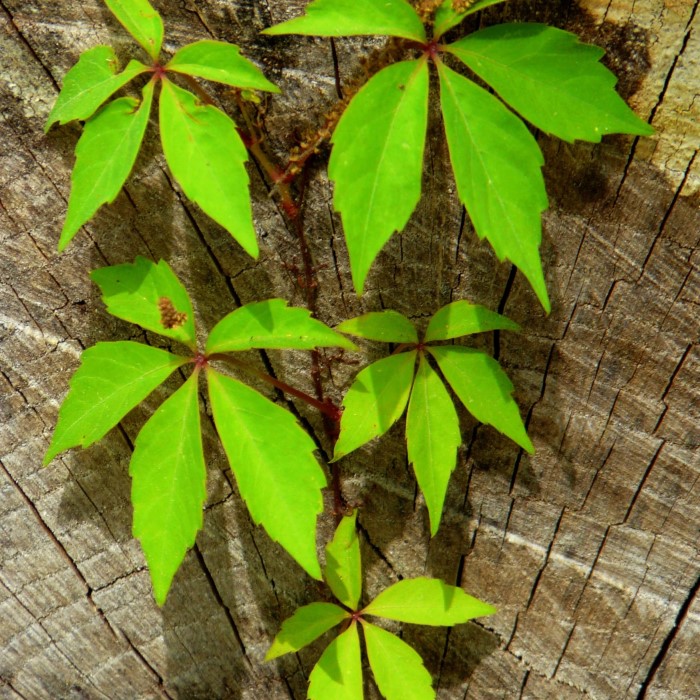
Many plants mimic the appearance of poison ivy identification. This leads to unnecessary fear. It also leads to accidental contact. You must learn to differentiate the real threat from harmless imposters. One common lookalike is the Virginia creeper. This plant also grows along the ground and climbs trees. However, it has five leaflets instead of three. It is easy to spot once you count. Virginia creeper is harmless. It does not cause a rash. Another imposter is the boxelder tree. Young boxelder saplings have three leaves. They look very similar to the toxic plant. However, the leaves of the boxelder grow opposite each other. Poison ivy leaves grow in an alternating pattern.
Furthermore, raspberry or blackberry bushes can be confusing. They often have three leaflets. They grow in similar habitats. However, berry canes have thorns or prickles. Poison ivy never has thorns on the stem. It has a smooth vine or stem. If you see thorns, it is likely a berry bush. You can safely pick the fruit. Another plant to consider is the fragrant sumac. This plant has three leaves and red stems. It looks suspicious. However, the leaves are serrated or saw-toothed. Poison ivy leaves are usually smoother or have fewer lobes. Also, fragrant sumac grows in a distinct bush shape. It does not climb as a hairy vine.
In addition, Boston ivy is sometimes mistaken for the toxic variety. Boston ivy is often used on buildings. It has glossy leaves. But it is not related. The leaves are different shapes. Always check the leaflet count. Look for the “hairy” vines in the winter. Check for thorns. Observe the growth pattern. Is it opposite or alternate?
Essential Hiking Practices for Prevention
Identifying the plant is the primary defense. However, behavior also plays a role. You must adopt safe hiking habits. Stay on designated trails. This reduces the risk of exposure. Trails are usually cleared. The underbrush is maintained. Venturing off the path increases your chances of brushing against plants. You might walk through a patch of ground cover. You might lean against a vine. Therefore, stick to the cleared path. Avoid walking through tall grass or dense brush.
Furthermore, wear appropriate clothing. Long pants are a must. Long sleeves are also recommended. Choose tightly woven fabrics. The oil can penetrate loose weaves. Tuck your pants into your socks. This creates a seal. It prevents the plant from touching your skin. If you are hiking in shorts, you are very vulnerable. Consider wearing high boots. Leather or synthetic boots are better than canvas. The oil can soak through canvas shoes. Gloves are useful if you plan to handle vegetation. For example, if you are clearing a campsite or gardening.
In addition, be mindful of your pets. Dogs love to run through the brush. Their fur collects the urushiol oil. The oil does not hurt the dog. But it transfers to you when you pet them. You can get a rash from your dog. Therefore, wipe your dog down after a hike. Use a damp cloth or a pet-safe wipe. Wash their paws thoroughly. It is also wise to wash your hiking clothes separately. Use hot water and detergent. This removes the oil from the fabric. If you touch your clothes, you can contaminate your skin. These preventative measures act as a second line of defense. They protect you from indirect exposure. You can enjoy nature without fear.
Immediate Steps After Suspected Exposure
Even with careful poison ivy identification, accidents happen. You might touch a plant by mistake. You might realize it too late. Immediate action can minimize the reaction. The goal is to remove the oil quickly. Urushiol absorbs into the skin. It binds with proteins. This process takes time. You usually have about 10 to 30 minutes. Therefore, speed is critical. If you have water nearby, rinse the area immediately. Use cold or lukewarm water. Do not use hot water. Hot water opens the pores. This speeds up absorption.
Furthermore, use soap if possible. Dish soap or a specialized poison ivy identification soap works best. These soaps cut through the oil. They wash it away. Avoid using harsh scrubbers. Scrubbing can irritate the skin. It can spread the oil to other areas. Be gentle but thorough. Rinse the area for several minutes. If you do not have water, use alcohol wipes. Alcohol can dissolve the oil. However, it also spreads it. So make sure to wipe away from the exposed area. Remove any contaminated clothing immediately. Place it in a plastic bag. This prevents the oil from spreading to your car or home.
In addition, clean under your fingernails. The oil often hides there. You might spread it to other parts of your body. If you are deep in the woods, you might not have supplies. In that case, use water from a stream or a water bottle. Time is your enemy. The longer you wait, the worse the reaction will be.
Frequently Asked Questions About Poison Ivy
Many hikers have specific questions about this plant. Here are answers to some common inquiries.
How can I tell if it’s poison ivy or not?
Look for the classic three-leaflet pattern. Remember the middle leaf has a longer stem. The side leaves look like mittens. Check for a fuzzy or hairy vine in winter. Also, look for white berries. These are clear signs you have found the plant.
What can be mistaken for poison ivy?
Virginia creeper is often confused with it. It has five leaflets instead of three. Boxelder saplings also look similar. However, they have opposite leaves. Raspberry bushes have thorns. Poison ivy does not have thorns. Always check the leaf arrangement and count.
Can you get poison ivy in the winter?
Yes, you can definitely get it in winter. The leaves fall off. However, the vines remain toxic. The urushiol oil stays active. Touching the hairy vines can cause a rash. You must avoid contact with the vines even when bare.
Why is poison ivy hard to identify?
The plant is highly variable. It changes color with the seasons. It grows as a vine, shrub, or ground cover. The leaf shape also varies. It can look like many other plants. This ability to camouflage makes it difficult to spot.
Conclusion: Enjoy Nature with Confidence
The great outdoors is a wonderful place to explore. It offers beauty and adventure. You should not let the fear of a rash keep you inside. Knowledge is your best protection. By mastering poison ivy identification, you can hike with confidence. You can identify the plant in all seasons. You can recognize its various forms. This skill allows you to navigate the trails safely. It ensures that your memories of the trip are happy ones. You will not have to deal with the discomfort of a rash.
Furthermore, share this knowledge with others. Teach your children and hiking partners. The more people know, the safer everyone will be. Prevention is a collective effort. Always stay vigilant on the trail. Respect nature and its inhabitants. Even the toxic plants have a role in the ecosystem. They provide food for birds and animals. We simply need to learn to coexist with them. We must avoid the parts that hurt us. With the right preparation, you can enjoy the wilderness to its fullest. So, lace up your boots, grab your gear, and hit the trail. You are now equipped to poison ivy identification. You are ready for a safe and memorable hiking adventure.