Introduction to Backyard Fire Pits
Creating a warm and inviting outdoor space is a goal for many homeowners. Therefore, learning how to make a fire pit can be a transformative project for your garden. A fire pit serves as a focal point for gatherings. Consequently, it extends the usability of your outdoor area into the cooler months. Many people believe that building a fire pit requires professional help. However, this is not always the case. With the right guidance and tools, you can undertake this project yourself. As a result, you save money and gain a sense of accomplishment.
The process involves several key stages. First, you must plan the location carefully. Next, you need to select the right materials. Then, the construction phase begins. Throughout this article, we will explore each step in detail. We will also discuss important safety considerations. After all, safety is paramount when dealing with fire. Furthermore, we will delve into design options to ensure your fire pit looks stylish. A well-designed fire pit enhances the aesthetic appeal of your property. Thus, it increases the value of your home. So, let us begin this exciting journey of creation. You will soon enjoy cozy evenings by the fire.
Planning the Perfect Location for Safety
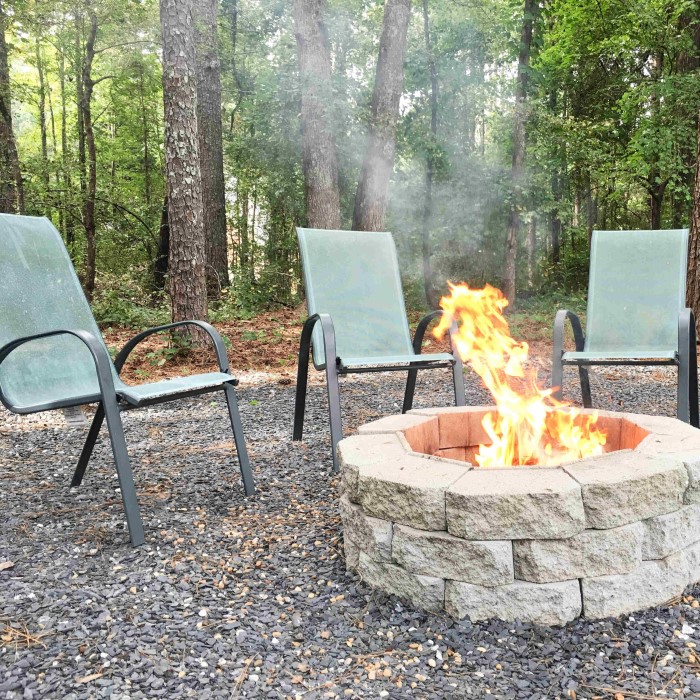
The first step in your journey is determining where to place your new structure. This decision is crucial for safety and enjoyment. Therefore, you must consider several factors before digging. First, check your local building codes and regulations. Most areas have specific rules regarding open flames. For instance, you usually need to place the fire pit at least ten feet away from structures and property lines. Additionally, you should avoid placing it under low-hanging trees or near shrubs. These can easily catch fire from stray sparks. Consequently, clearance is vital.
Furthermore, you should consider the wind patterns in your backyard. You do not want smoke blowing directly into your home or your neighbor’s yard. Thus, positioning the pit in an open area helps. Also, think about the ground surface. You should place it on a non-flammable surface like dirt, gravel, or stone. Avoid placing it directly on a wooden deck unless you use a specialized protective mat or base. Moreover, accessibility is another key point. You need easy access to water or a fire extinguisher in case of emergencies. Therefore, do not isolate the pit too far from a water source.
Finally, consider the seating arrangement. You will likely have friends and family gathering around. Consequently, you need enough space for chairs. You also need a clear path for people to move around without tripping. Therefore, map out a circle larger than the pit itself. In conclusion, proper planning prevents accidents. It ensures that your cozy nights remain safe and enjoyable. Never rush this stage. A well-planned location serves as the foundation for a successful project.
Choosing the Right Materials for Durability
Once you have a location, you must select your building materials. This choice affects both the look and longevity of your pit. Therefore, consider the style of your home and garden. You can use various materials for construction. For example, natural stone offers a rustic and organic look. However, it might require more effort to fit together. Conversely, concrete pavers are uniform and easy to stack. They create a clean, modern appearance. Consequently, they are a popular choice for beginners.
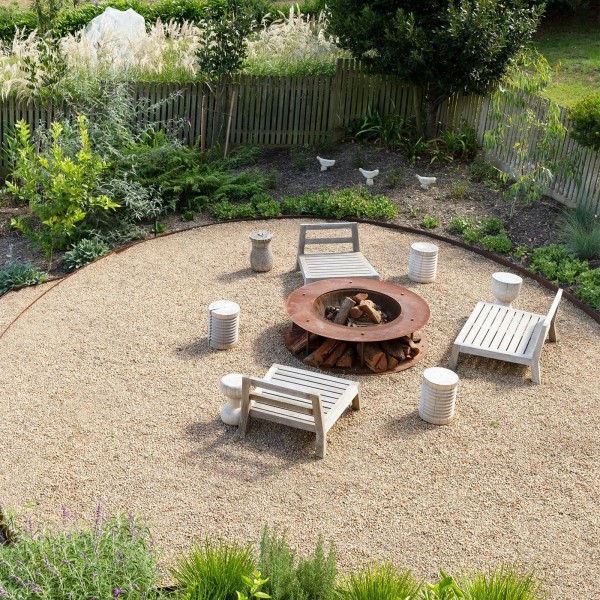
Another option is brick. Brick fire pits provide a classic feel. However, you must ensure the bricks are fire-rated. Standard bricks can crack under high heat. Therefore, look for refractory bricks or fire bricks for the inner lining. Additionally, you will need a suitable adhesive. For high-heat applications, you might skip the adhesive and rely on gravity. If you choose to use glue, ensure it is heat-resistant. Regular construction adhesive will melt or emit harmful fumes. Thus, selecting the right bonding agent is critical.
Furthermore, consider the fire bowl or liner. You can buy a metal insert to place inside your stone structure. This protects the masonry from direct heat. As a result, the structure lasts longer. It also makes cleaning easier. You should also think about the base material. You will need gravel or sand to create a drainage layer at the bottom. This prevents water from pooling during rain. Consequently, the bottom of the pit stays dry. In summary, investing in quality materials pays off. A durable fire pit withstands the elements and provides years of service. Do not compromise on quality.
Essential Tools You Need for the Job
How to make a fire pit? Before you start the physical work, gather all necessary tools. Being prepared makes the process smoother. Therefore, create a checklist. You will need tools for digging and leveling. A shovel is the most obvious requirement. You will use it to excavate the pit area. Additionally, a spade helps with cutting through turf. You also need a spirit level. This tool ensures your base is flat. Consequently, your walls will be stable and straight. A rubber mallet is also useful. You will use it to tap pavers or stones into place without breaking them.
Moreover, you will need measuring tools. A tape measure helps you mark the correct diameter. You can also use string and stakes to outline a perfect circle. This method is simple but effective. Therefore, ensure you have stakes and twine in your kit. A wheelbarrow is helpful if you need to move soil or gravel. It saves you from making countless trips. If you are mixing mortar, you will need a trowel and a mixing trough. However, for a dry-stack pit, these are not necessary. Safety gear is equally important. Always wear work gloves to protect your hands from blisters and sharp edges.
Furthermore, safety glasses are mandatory. They protect your eyes from dust and flying debris. If you are cutting stone, a dust mask is also advisable. You do not want to inhale stone dust. Therefore, prioritize your personal safety. Having all these tools ready saves time. It prevents frustration later on. You will not have to stop in the middle of the job to run to the hardware store. Thus, preparation is the key to efficiency. A well-equipped builder works faster and achieves better results. So, check your toolbox twice.
Step-by-Step Guide to Building the Base
How to make a fire pit? Now you are ready to begin construction. The base is the most critical part of the structure. Therefore, you must execute this step carefully. First, mark the center of your fire pit. Then, use your string and stake to draw a circle on the ground. Make the circle slightly larger than the intended pit diameter. Next, remove the sod and soil within this circle. You should dig down about six to eight inches. This depth allows for a drainage layer and the base course of stone. Consequently, you create a stable foundation.
After digging, level the bottom of the hole. Use your spirit level to check this. If the ground is uneven, the entire structure will tilt. Therefore, take your time with this step. Once the ground is level, add a layer of gravel. You should aim for about three inches of gravel. This layer facilitates drainage. Rainwater will drain away through the gravel. As a result, your pit does not become a pond. Spread the gravel evenly. Then, use a hand tamper to compact it. Compacting makes the base solid.
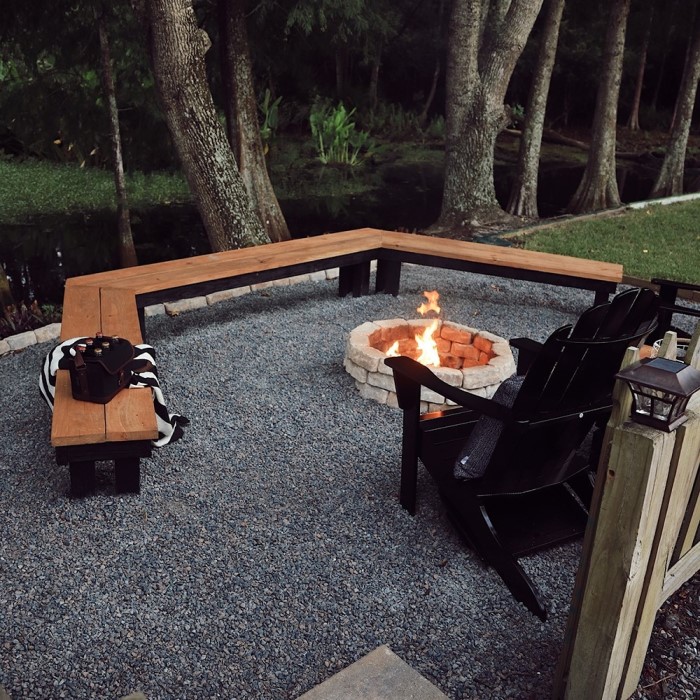
Finally, lay your first course of stones or pavers. Place them on top of the compacted gravel. Check them with your level again. If a stone wobbles, tap it down with the mallet. Or, add a bit of sand underneath to raise it. This first row must be perfect. It sets the stage for the subsequent layers. Therefore, do not rush the leveling process. A strong base ensures the fire pit remains stable for years. It prevents shifting and sinking. Consequently, the structural integrity is maintained. You are now ready to build the walls. This foundation supports the entire weight of the structure.
Constructing the Walls of Your Fire Pit
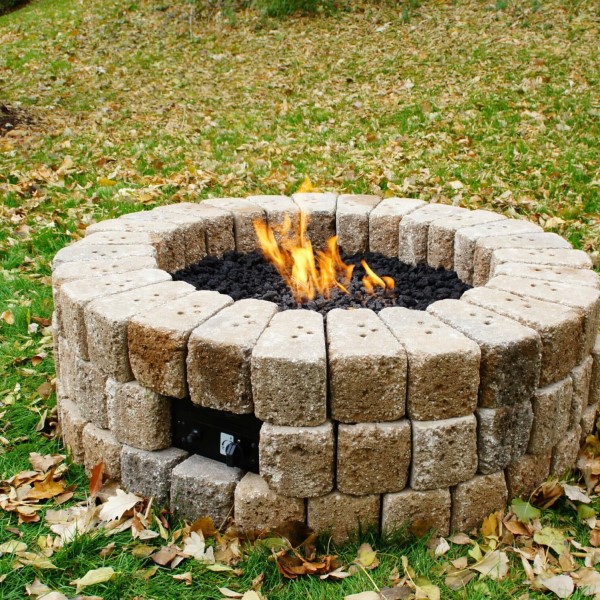
How to make a fire pit? With the base in place, you can start building upwards. This is where the fire pit takes shape. Therefore, begin stacking the subsequent layers of stone. If you are using a metal insert, build the walls around it. Leave a small gap between the insert and the stone. However, most DIY pits use the stone itself as the container. In this case, stagger the joints. Do not stack the stones directly on top of each other. This creates a stronger bond. Consequently, the structure is more stable. It resembles a brick wall pattern.
As you stack, occasionally check for level. You want the walls to go up straight. If you notice a lean, correct it immediately. You can use shims or adjust the gravel. Furthermore, consider the height of the walls. A standard fire pit is about 12 to 14 inches high. This height is comfortable for resting feet. However, you can build it higher if you prefer. Just ensure it remains stable. For taller walls, you might need construction adhesive between layers. This prevents the stones from sliding.
Moreover, ensure the inside of the pit is smooth. You do not want sharp protrusions. These can interfere with cleaning or log placement. Therefore, choose flat-faced stones for the interior if possible. As you add layers, keep the interior clear of debris. You want a clean burning chamber. Consequently, air flows better. This improves the fire quality. Building the walls is the most rewarding part. You see the physical progress quickly. Thus, it motivates you to finish. Take pride in your masonry skills. A well-built wall looks professional. It stands as a testament to your hard work.
Essential Safety Features and Considerations
How to make a fire pit? Safety should always be your top priority. A beautiful fire pit is useless if it is dangerous. Therefore, incorporate specific safety features. First, think about the inner lining. As mentioned earlier, fire bricks are excellent. They withstand extreme temperatures. Consequently, they protect the outer stone from cracking. If you use regular concrete pavers, they might spall. This happens when moisture inside the stone turns to steam and expands. Therefore, a liner is a wise investment. It prolongs the life of the pit.
Additionally, consider a spark screen. This is a metal mesh cover. It sits on top of the pit. The screen prevents embers from flying out. This is especially important if you have trees nearby. Or, if you are burning softwoods like pine. These woods tend to pop and spark. Therefore, a screen reduces the fire risk. Furthermore, keep the area around the pit clear. Do not leave flammable materials nearby. This includes firewood stacks, cushions, or dried leaves. A clear radius of at least three feet is advisable.
Moreover, always have a way to extinguish the fire. Keep a bucket of water or a hose nearby. Alternatively, a fire extinguisher is a good idea. Never leave a fire unattended. Even for a few minutes. Wind can pick up suddenly. Consequently, a small fire can become a hazard. Also, check the wind direction before lighting. Strong winds make fire control difficult. Therefore, postpone the fire if it is too windy. Educate your family members about these rules. Everyone should know how to act safely. A safe environment ensures everyone enjoys the experience. You can relax knowing you have minimized the risks.
Styling and Maintaining Your New Feature
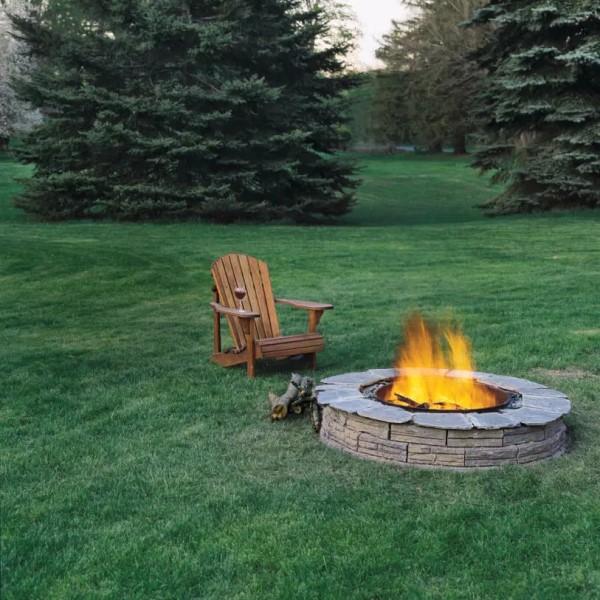
After building the structure, you can focus on aesthetics. The surrounding area contributes to the overall ambiance. Therefore, choose appropriate seating. You can buy patio furniture or build simple benches. Ensure the seats are not too close to the flames. A distance of four to five feet is comfortable. Furthermore, you can add decorative elements. For example, river rocks can fill the bottom of the pit. They look attractive and aid in drainage. However, avoid using river rocks inside a very hot fire. They can explode if they contain moisture. Therefore, use them only for decoration when the pit is cold.
Lighting also plays a role. Solar lights along the pathway to the pit are a nice touch. They guide guests safely. Additionally, consider planting non-flammable greenery nearby. Succulents or short grasses work well. They soften the hardscape. However, ensure they are not too close to the heat. You can also store firewood nearby in a neat stack. A log holder adds a rustic charm. Consequently, the wood stays dry and accessible. These small details make the space inviting. You create an outdoor room rather than just a hole in the ground.
Maintenance is equally important for longevity. You must clean the pit regularly. Remove ashes after they have completely cooled. Use a metal shovel or a vacuum designed for ash. Leaving wet ashes causes the metal to rust. Therefore, keep the pit dry. If you live in a rainy climate, consider a cover. A vinyl cover protects the stone and the interior. It prevents water accumulation. Consequently, your fire pit stays ready for the next use. Inspect the stones periodically. If you see cracks or loose stones, repair them immediately. Regular care ensures your investment lasts. A well-maintained pit provides joy for decades.
FAQ
How do you make a simple homemade fire pit?
You can make a simple fire pit by digging a hole and lining it with non-flammable materials. First, choose a safe spot away from flammable structures. Then, dig a hole about one foot deep. Line the bottom with gravel for drainage. Next, stack retaining wall blocks or fire bricks around the perimeter. You do not need mortar for a simple design. Therefore, you can simply stack the blocks. This method is quick, easy, and cost-effective.
Is it cheaper to build your own fire pit?
Yes, building your own fire pit is generally cheaper than buying a pre-made one. You save on labor costs. Additionally, you can control the material costs. For instance, you can choose cheaper concrete pavers over expensive natural stone. A DIY pit can cost as little as 50to300. Conversely, professional installation or high-end store-bought models can cost thousands. Therefore, DIY is a budget-friendly option.
What is a cowboy pit?
A cowboy pit is a basic, rustic style of fire pit. It mimics the simple fires used by cowboys on the trail. Typically, it consists of a shallow hole in the ground. Sometimes, it is ringed with rocks found on site. It does not have complex masonry or a chimney. It focuses on function over form. Therefore, it offers a traditional, rugged camping experience in your backyard.
Conclusion: Enjoying Your Creation
You have now completed your project. You learned how to make a fire pit from scratch. This achievement is significant. You transformed your backyard into a welcoming haven. The process required planning and effort. However, the result is worth it. You now have a place to relax. You can host memorable gatherings. Friends and family will appreciate the warmth. Furthermore, you added value to your property. The skills you learned can be applied to other projects. You are now a more confident DIY enthusiast.
Remember the key points discussed. Safety always comes first. Keep the area clear. Always have water nearby. Also, maintain your structure well. Regular cleaning prevents damage. Choose materials that last. A sturdy fire pit provides years of service. Do not forget to check local laws periodically. Regulations can change. Compliance ensures you avoid fines. Finally, enjoy the simple pleasure of a fire. Watch the flames dance. Listen to the crackle of the wood. This is the reward for your hard work. A DIY fire pit is more than just a structure. It is a destination in your own home.