Introduction
The French pocket knife stands as a proud symbol of craftsmanship, culture, and functionality. With a rich heritage that dates back centuries, these knives have evolved into both essential tools and collectible items. Whether you’re an outdoor enthusiast, a culinary expert, or a collector, understanding the significance of the traditional French pocket knife is key to appreciating its unique attributes. In this article, we will delve into the history, features, and appeal of traditional French pocket knives while examining notable brands like Laguiole and Opinel.
A Brief History of the French Pocket Knife
Origins in France
The French pocket knife has its roots in the late 17th century, emerging during a period of significant craftsmanship and innovation in European blade-making. Skilled craftsmen and artisans began creating small, intricately designed folding knives that were specifically engineered for practical utility and everyday use. These ingenious tools were meticulously crafted to be portable and efficient, allowing users to carry them conveniently in their pockets. Due to their superior design, exceptional quality, and versatility, these knives quickly garnered widespread popularity among the French populace, eventually becoming an indispensable part of daily life for people across various social classes, from peasants to nobility.
Regional Variations
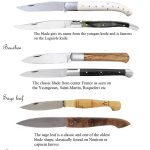
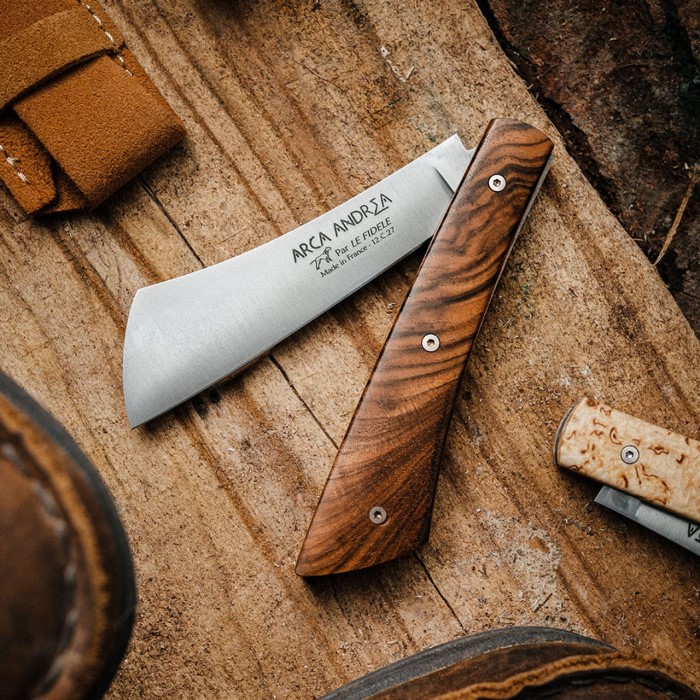
Different regions throughout France developed their own distinctive styles and characteristics of pocket knives, each reflecting local traditions, available materials, and cultural preferences. For instance, the renowned Laguiole knife originated in the picturesque Aveyron region in southern France and has subsequently become synonymous with exceptional elegance, superior functionality, and exquisite craftsmanship. Other regions like Thiers and Langres similarly developed their own signature designs, each contributing unique features and aesthetic qualities to France’s rich knife-making heritage. These regional variations not only demonstrate the diversity of French craftsmanship but also highlight how geography and local expertise shaped the evolution of these iconic tools.
Cultural Significance
Over the years, these carefully crafted knives evolved far beyond mere functional tools, becoming instead a profound representation of French artisanal skill, pride, and heritage. They were utilized not exclusively as practical instruments but also as meaningful symbols of broader French culture, timeless elegance, refined sophistication, and deeply rooted culinary traditions. The pocket knife became intertwined with French identity, reflecting the nation’s commitment to quality craftsmanship, attention to detail, and appreciation for beauty in everyday objects. These knives were often passed down through generations, becoming cherished family heirlooms and tangible connections to French history and values.
Modern-Day Adaptations
In contemporary times, traditional French pocket knives have undergone thoughtful evolution while successfully maintaining their cherished historical charm and authenticity. Manufacturers have begun incorporating modern, high-performance materials such as stainless steel and advanced polymers alongside innovative features including ergonomic designs, enhanced blade retention mechanisms, and improved durability. This strategic blend of time-honored heritage, traditional craftsmanship, and cutting-edge innovation creates a unique appeal that satisfies both passionate traditionalists who value historical authenticity and contemporary users who appreciate modern functionality, sustainability, and technological advancement. The result is a product that honors its past while remaining relevant and desirable in the modern marketplace.
Features of Traditional French Pocket Knives
1. Design and Aesthetics
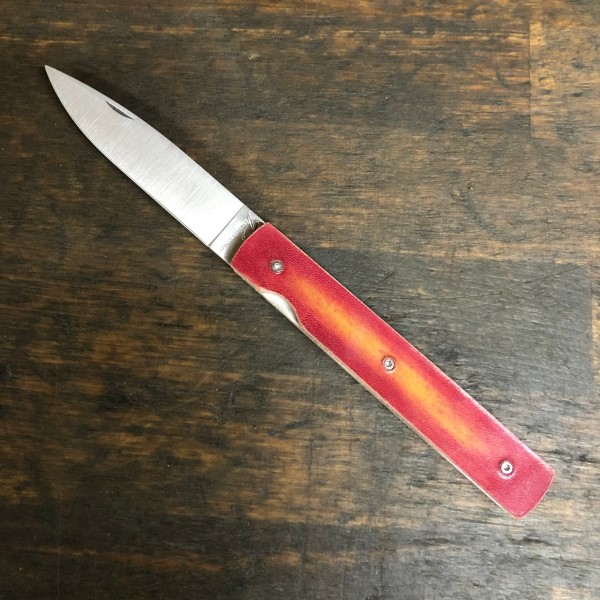
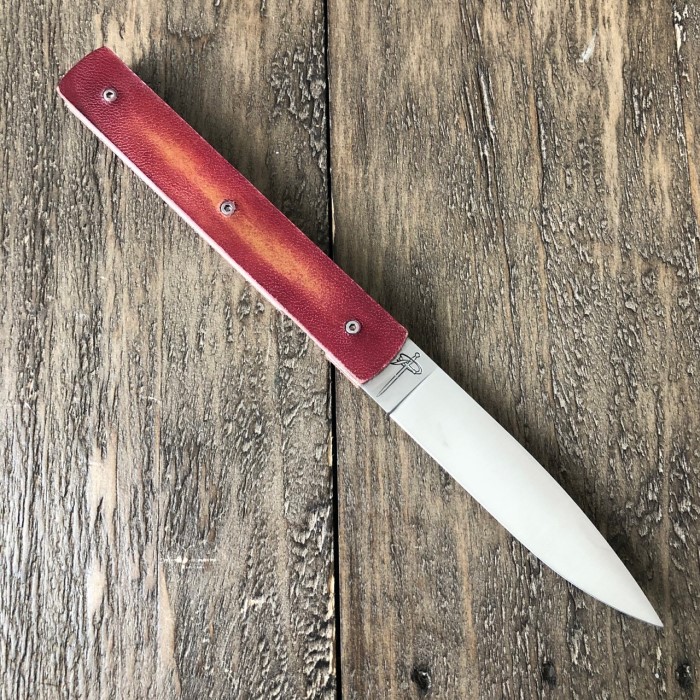
- Timeless Style: French pocket knives are known for their distinctive beauty. They often feature smooth lines, colorful handles, and intricate designs, making them visually appealing.
- Materials Used: Many traditional knives are made from high-grade stainless steel for durability, while the handles can be crafted from wood, horn, or synthetic materials.
2. Functionality
- Folding Mechanism: The folding design makes these knives compact and easy to carry. The mechanism allows for safe storage when not in use, catering to practicality.
- Versatile Tools: Beyond just a sharp blade, many French pocket knives come with additional tools. These can include corkscrews, bottle openers, and multi-tools, enhancing their utility.
3. Blade Quality
- Sharpness and Durability: The blades on traditional French pocket knives are typically designed for sharpness and longevity. Many are made from high-carbon stainless steel, which resists corrosion.
- Easy Maintenance: Users can easily maintain the blades by honing and polishing them regularly, ensuring they remain effective over time.
The Impact of Brands: Laguiole and Opinel
1. Laguiole Knives
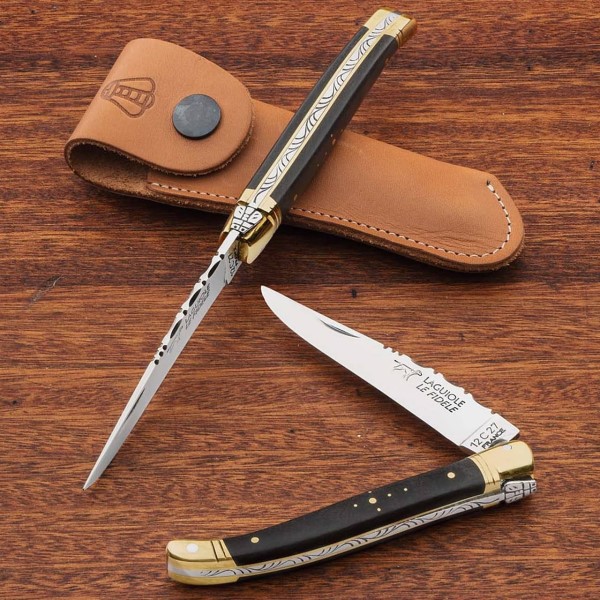
- Artisan Craftsmanship: Laguiole knives are handcrafted, often incorporating unique details that make each piece special. Their craftsmanship reflects generations of artisanal skill.
- Price Range: The fine materials and detailed work involved in making a Laguiole knife contribute to its higher price point. As a result, these knives are often considered luxury items.
2. Opinel Knives
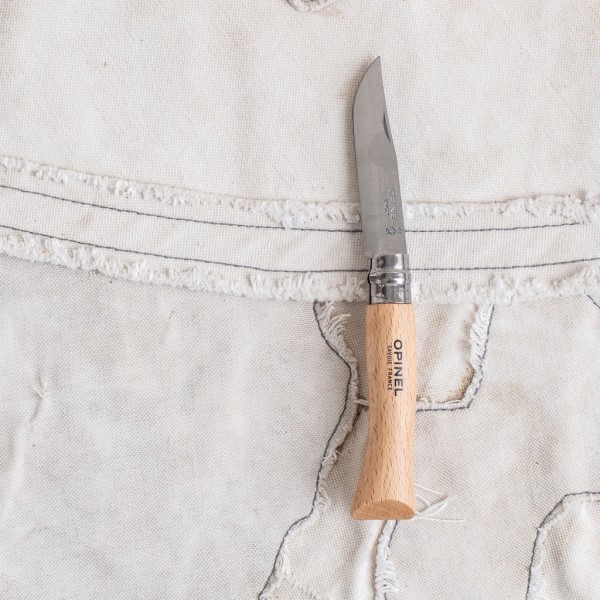
- Innovative Design: Opinel knives are known for their simple and functional design. The iconic Virobloc safety ring allows users to lock the blade in place, providing an added layer of safety.
- Affordability: Compared to Laguiole, Opinel knives are more affordable, making them accessible for everyday use. Despite their lower price, they maintain high quality.
Practical Uses
The versatility of the French pocket knife makes it a valuable tool in various situations. Here are some practical uses:
Outdoor Activities
Whether engaging in hiking, camping, fishing, or other outdoor pursuits, a pocket knife serves as an indispensable tool. It proves invaluable for a diverse range of tasks including cutting rope for securing equipment, preparing firewood, carving materials, and preparing food at campsites. The versatility of a quality pocket knife makes it an essential companion for any outdoor enthusiast.
Cooking and Culinary Use
Professional chefs and home cooks alike frequently carry pocket knives as practical aids in food preparation. The precision and sharpness of a well-maintained blade facilitates clean, efficient slicing through vegetables, herbs, fruits, and other ingredients while cooking. Beyond basic cutting tasks, pocket knives prove useful for peeling, deveining, and other detailed culinary work, making them favored instruments in both professional kitchens and home cooking environments.
Everyday Tasks and Practical Applications
Beyond specialized uses, the French pocket knife excels at handling routine daily tasks with remarkable efficiency. From opening packages and letters to performing small household repairs and adjustments, this tool proves consistently useful. Its remarkably compact and portable design ensures convenient storage in pockets, bags, or drawers, making it accessible whenever needed without adding significant bulk or weight to one’s belongings.
Collecting and Appreciation
Many enthusiasts and collectors value traditional French pocket knives as treasured possessions. These knives are prized for their exceptional beauty, superior craftsmanship, and historical significance. Collectors seek unique designs, rare variants, and limited edition releases, which serve as impressive and meaningful additions to comprehensive collections. Such knives represent both functional tools and artistic expressions of traditional manufacturing excellence.
Common Questions about French Pocket Knives
As the popularity of French pocket knives increases, so do the inquiries surrounding them. Below are some frequently asked questions:
What is the most popular pocket knife in France?
The Laguiole knife is often cited as one of the most popular pocket knives in France. Known for its craftsmanship and elegant designs, it represents the essence of French knife-making traditions.
Why is Laguiole so expensive?
Laguiole knives can be expensive due to their handcrafted nature and the quality of materials used. Many are made by skilled artisans, and the attention to detail contributes to their higher price point. Furthermore, some variations offer unique designs and characteristics that enhance their rarity.
Is it illegal to have a pocket knife in France?
In France, the legality of carrying a pocket knife depends on several factors, including the blade length and type of knife. Generally, folding knives with blades of less than 3 inches are allowed, but it’s essential to check local regulations for specific rules.
What is special about Opinel?
Opinel knives are known for their simple yet effective design. The inclusion of the Virobloc safety ring allows users to lock the blade, ensuring it remains secure during use. Additionally, Opinel knives offer excellent value without compromising quality.
Conclusion: The Enduring Appeal of the Traditional French Pocket Knife
In conclusion, the traditional French pocket knife exemplifies a rich heritage and practical utility. Its blend of aesthetics, functionality, and craftsmanship has enriched its place in both historical context and modern usage.
Whether you choose a refined Laguiole or a practical Opinel, a French pocket knife serves as an exceptional tool, perfect for a range of activities. Understanding the features and history adds depth to the appreciation of these knives, making them a worthy addition to your collection or as an everyday tool.
The French pocket knife is more than just a cutting tool; it is a symbol of culture, craftsmanship, and practicality. As you explore the world of traditional French knives, you will discover the reasons behind their enduring appeal and significance in everyday life.