Introduction: The Importance of Knife Maintenance
Maintaining a sharp pocket knife is essential for its effectiveness and longevity. Knowing the best way to sharpen a pocket knife ensures that your tool performs optimally and remains safe to use. Pocket knives are versatile tools utilized for various tasks, from everyday carry to specialized applications in outdoor adventures or home improvement projects. However, like all cutting tools, they require proper care and regular sharpening. This article will explore the best sharpening methods, tools, and expert tips to enhance the performance of your pocket knife.
Understanding Knife Sharpness
What Makes a Blade Sharp?
A sharp blade is crucial for effectiveness in various uses. To understand sharpening, you must recognize the characteristics of a sharp knife:
- Edge Geometry: The geometry of the knife edge plays a significant role in its sharpness. Smaller angles on the edge can yield sharper blades, while more acute edges can enhance slicing.
- Material Quality: The steel used in knife manufacturing affects edge retention and sharpening. High-quality stainless steel or high-carbon steel typically holds a sharper edge longer and can be sharpened to a finer point.
- Surface Finish: A polished blade surface can reduce friction and enhance the knife’s cutting ability. This finish allows the knife to glide through material more easily.
Importance of Regular Sharpening
Regularly sharpening your pocket knife has several advantages:
Efficiency
- Slicing Through Materials: A sharp knife allows users to slice through various materials effortlessly. This sharpness enables smooth cuts, requiring less effort and time for each task.
- Streamlined Tasks: When using a sharp knife, you can complete culinary preparations, crafting projects, or outdoor tasks more quickly. This efficiency translates to enhanced productivity and a better overall experience.
- Less Frustration: Working with a dull knife often leads to frustration. When you have a sharp blade, you can focus on the task at hand rather than struggling with ineffective cuts.
Safety
-
Increased Risk with Dull Knives: Dull knives present a greater danger to users. When faced with a poorly functioning blade, people often apply more force, increasing the chances of slipping or erring.
- Potential for Injury: As users exert extra pressure on a dull blade, they risk losing control, which can lead to cuts or injuries. Slices that occur unexpectedly or from miscalculations often result from trying to push through materials that a sharp knife would handle easily.
- Safety Precautions: To minimize the risk of accidents, prioritize the use of sharp knives. By regularly sharpening your knives, you keep the cutting edge in optimal condition, enhancing safety in the kitchen and beyond.
Longevity
- Routine Maintenance Benefits: Regularly maintaining your knife keeps the blade sharp and reduces wear. Simple actions like honing and sharpening can help preserve the knife’s edge quality.
- Preventing Damage: Consistent care prevents issues like mini chips on the blade and edge deterioration. With proper maintenance, you can avoid deeper damage that requires more extensive repairs or replacement.
- Extending the Knife’s Life: By focusing on regular upkeep, you significantly extend the lifespan of your knife. A well-maintained knife can serve you effectively for years, saving you money and ensuring reliable performance whenever needed.
The Best Way to Sharpen a Pocket Knife
Various Sharpening Methods
There are several best way to sharpen a pocket knife, each with its advantages and considerations:
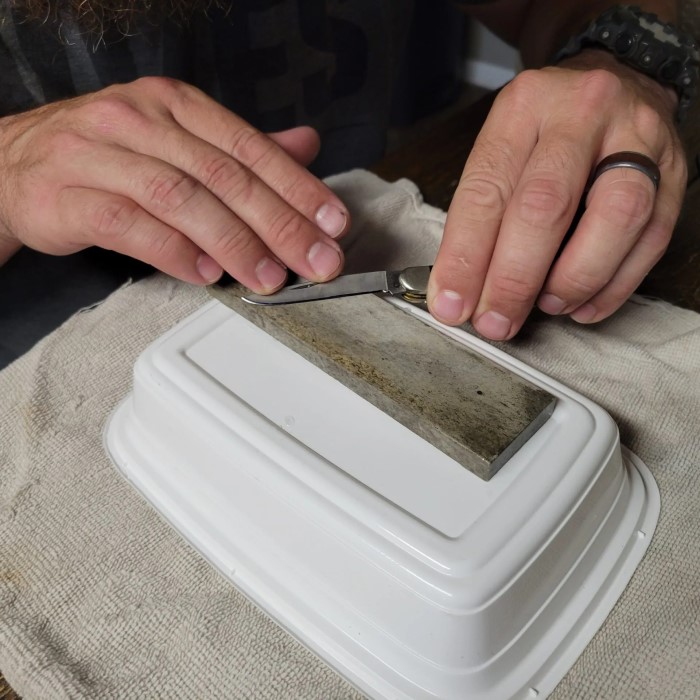
- Whetstone Sharpening: Using a whetstone is a traditional and highly effective method for sharpening knives:
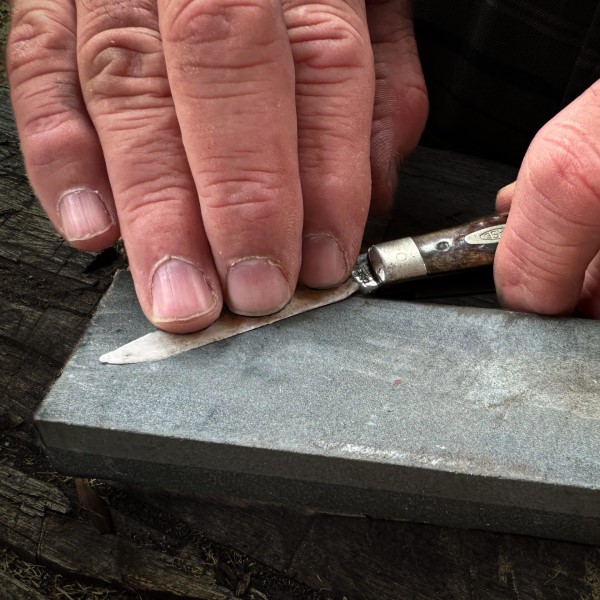
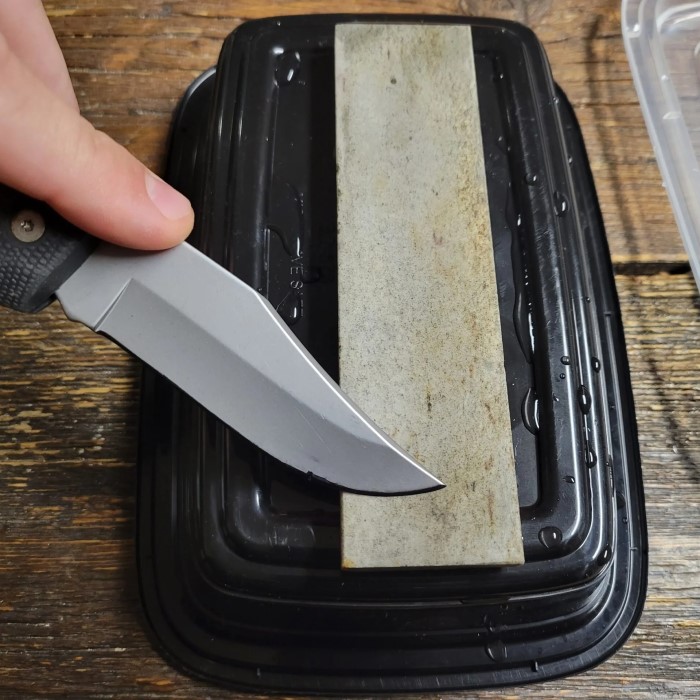
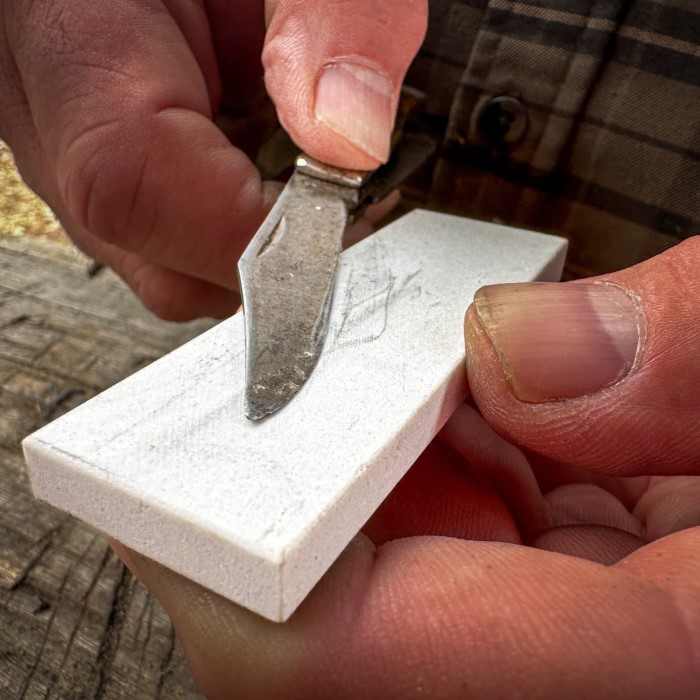
- Technique: Angle the knife at approximately 20 degrees to the stone and slide the blade across in a sweeping motion. Work on both sides until the desired sharpness is achieved.
- Types of Whetstones: Synthetic stones are often recommended due to their consistency. Natural stones can provide excellent results but may require more maintenance.
- Pull-Through Sharpeners: These handy devices offer a quick solution:
- Usage: Simply insert the knife blade into the designated slot and pull through. Many are equipped with multiple slots for different grits of sharpening.
- Pros and Cons: They are user-friendly for those new to sharpening but may not provide as precise an edge as whetstones.
- Electric Sharpeners: These appliances provide convenience and speed:
- Functionality: Electric sharpeners use rotating abrasive belts to quickly sharpen blades.
- Ease of Use: Simply place the knife into the slot, and the machine does the work. However, caution is necessary as they can remove a lot of material quickly.
- Honing Rods: While not a sharpening method, honing is vital for maintenance:
- Purpose: A honing rod realigns the blade edge. Using it regularly can prolong the time between actual sharpenings.
- Technique: Hold the rod vertically and slide the knife along the rod at a consistent angle. This action maintains sharpness without removing material.
Essential Tools for Sharpening
Choosing the Right Equipment
Using the appropriate tools is vital for successful sharpening. Here are some essential tools to consider:
- Whetstone: An indispensable tool for any knife enthusiast:
- Grit Selection: Generally, a coarse grit (around 400-600) is ideal for reshaping edges, while fine grit (1000-3000) is used for polishing.
- Pull-Through Sharpener: Convenient for quick touch-ups:
- Portability: These are compact and can easily fit in a backpack, making them perfect for travel.
- Electric Sharpener: A great investment for those who sharpen frequently:
- Versatility: Ensure the sharpener accommodates various blade types, including serrated.
- Honing Rod: Essential for regular maintenance:
- Material Options: Look for ceramic or diamond honing rods for optimal results.
- Knife Maintenance Kit: Consider investing in a comprehensive kit that includes several sharpening tools, cleaning oils, and protective sheaths for blades.
Step-by-Step Sharpening Guide
How to Sharpen Your Pocket Knife
Follow these steps to effectively sharpen your pocket knife using a whetstone, which is often regarded as the best method for precision:
- Prepare the Stone: Soak the whetstone in water for about 10-15 minutes if it’s a water stone. This prevents the stone from clogging as you sharpen.
- Establish the Angle: Hold the knife at approximately 20 degrees to the whetstone. Consistent angles yield better results.
- Sharpen the Blade:
- Start with the coarse side of the stone. Slide the blade across the stone starting from the heel to the tip. Make smooth, even strokes applying slight pressure.
- Repeat this action 5-10 times, then switch to the other side of the blade.
- Fine Tune: After establishing a decent edge, use the finer side of the whetstone. This step provides a polished finish. Repeat the same motion with even lighter pressure.
- Honing: After sharpening, hone the knife using a honing rod to align the edge correctly.
- Cleaning: Wipe down the blade with a damp cloth to remove any metal shavings or residue.
Maintenance After Sharpening
Maintaining your pocket knife after sharpening is pivotal. Regular maintenance will keep your blade sharp longer:
- Regular Cleaning: After each use, wipe down the blade with a cloth. This prevents rust and damage from moisture or debris.
- Proper Storage: Store your knife in a protective sheath or knife roll to prevent damage during transport.
- Check for Dullness: Regularly assess the knife’s sharpness and hone or sharpen as necessary. Create a routine of sharpening, perhaps monthly, based on your usage frequency.
Traveling with Your Pocket Knife
Important Considerations for Travel
When traveling with a pocket knife, you should keep several points in mind:
- Follow Airline Regulations: Be sure to check TSA regulations about carrying knives. Remember, pocket knives are not allowed in carry-on luggage but can be stored in checked baggage.
- Secure Packing: Always pack your knife securely in checked luggage, protecting the blade to avoid injuries during transit.
- Local Laws: Know the laws of the destination you’re traveling to, as some countries may restrict the import or possession of specific knives.
Packing Tips
- Padded Case: Use a padded pouch or case to protect the knife.
- Avoid Loose Packing: Ensure the knife doesn’t shift in your luggage to avoid damage.
Conclusion: Master the Art of Sharpening
In conclusion, knowing the best way to sharpen a pocket knife is essential for anyone who relies on this tool for everyday tasks. Whether using a whetstone, pull-through sharpener, or electric sharpener, understanding proper technique will ensure that your knife stays effective, safe, and reliable.
Regular maintenance and cleaning can significantly extend the life of your pocket knife and enhance its performance. By investing in the right tools and sharpening techniques, you can enjoy a sharp, reliable blade ready for any task.
Always remember to understand regulations when traveling and pack your knife responsibly. Stay informed about local laws, proper sharpening methods, and maintenance practices, and you’ll be well-equipped to keep your pocket knife in optimal condition. Enjoy the satisfaction of having a well-maintained pocket knife that meets your needs, whether at home or on the go!