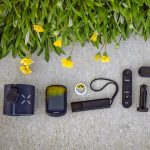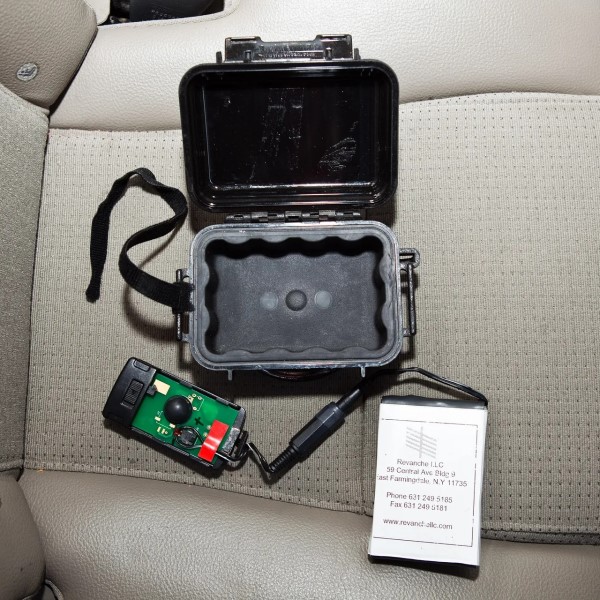
In today’s technologically advanced world, a police GPS tracker plays a crucial role in law enforcement. These devices provide real-time tracking capabilities that can drastically enhance the efficiency and effectiveness of police operations. In this article, we will explore the key features of police GPS tracker, their importance in modern policing, and how they can contribute to public safety and crime prevention.
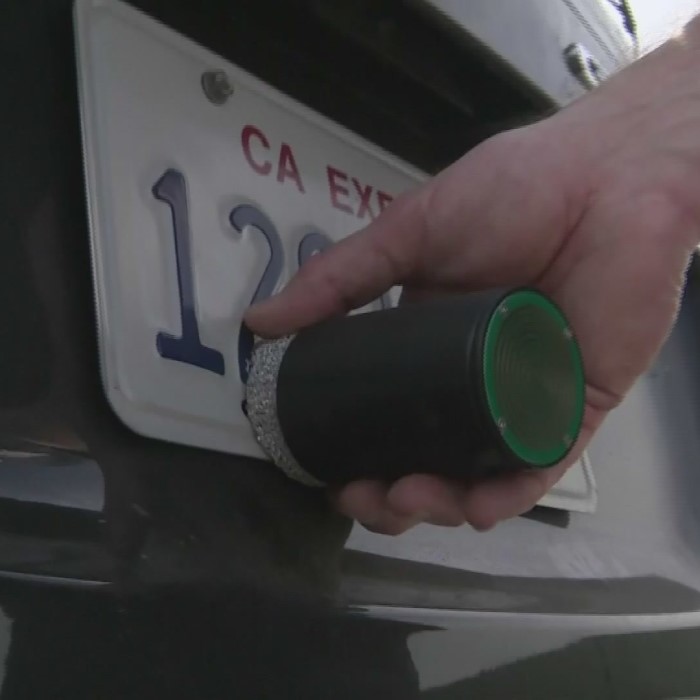
The Importance of GPS Trackers in Law Enforcement
Enhancing Criminal Investigations
GPS trackers have revolutionized how police conduct investigations. By providing accurate location data, these devices allow law enforcement to monitor suspects, track stolen vehicles, and gather evidence.
- Real-Time Evidence: The GPS data collected can be crucial in building a case against a suspect. Police can use this evidence in court to support their findings.
- Improving Resource Allocation: With accurate tracking, police departments can allocate resources better to areas where crime rates are higher, leading to more effective patrols.
- Example Cases: There have been numerous cases where real-time tracking led to the successful apprehension of suspects involved in serious crimes, showcasing the effectiveness of this technology.
Increasing Officer Safety
The safety of police officers on duty is a top priority. GPS trackers can enhance officer safety in several ways:
Silent Alerts
- Emergency Distress Signals: Many modern GPS trackers equipped with technology that allows officers to send silent alerts or distress signals when they find themselves in dangerous situations.
- Discreet Activation: Officers can activate silent alerts discreetly. Ensuring that any potential threats are unaware that help is being summoned.
- Rapid Assistance: The silent alert feature designed for urgent situations where an officer may be unable to communicate verbally.
- Direct Notifications: When activated, the alert sends immediate notifications to supervisors or dispatch. Providing critical information about the officer’s location and status.
- Improving Officer Safety: By minimizing noise or visible cues, the silent alert feature enhances officer safety in hostile environments.
- Example Scenarios: For instance, during a routine traffic stop, if an officer feels threatened. They can send a silent alert without alarming the suspect, allowing backup to arrive quickly.
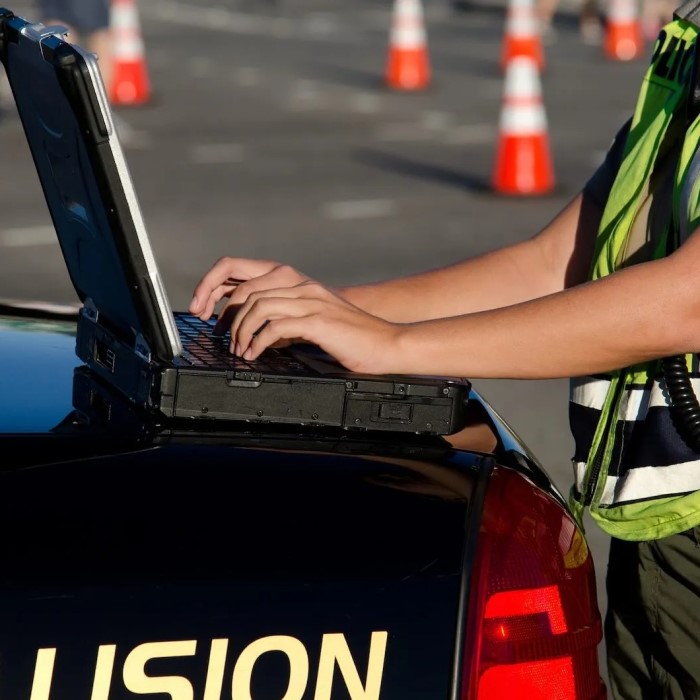
Location Monitoring
- Real-Time Tracking: GPS trackers provide supervisors with the ability to monitor the real-time location of officers on duty, assuring effective oversight and resource management.
- Access Through Mobile Apps: Many tracking devices are connected to mobile apps or software platforms that display live location data on a map, making it easy for supervisors to visualize where each officer is stationed.
- Immediate Response Capability: This feature ensures that supervisors can respond quickly to emergencies or requests for assistance.
- Prioritizing Resource Allocation: By understanding which officers are closest to an incident, supervisors can deploy the nearest unit efficiently, reducing response times and enhancing emergency handling.
- Trend Analysis: Continuous monitoring can also help identify patterns in officer movements, enabling departments to analyze operations better and enhance overall patrol strategies.
- Data Utilization: This data can be used to adjust patrol routes or strategies based on where officers are most needed.
Safety Protocols
- Increased Security for Officers: Officers equipped with GPS trackers can operate with a heightened sense of security, aware that their exact locations are being monitored.
- Peace of Mind: The knowledge that their movements are being tracked provides reassurance for officers while they are on patrol. This peace of mind allows them to focus more on their duties rather than worrying about potential risks.
- Quick Access in Emergencies: In case of emergencies, authorized personnel can access the tracked officer’s location promptly.
- Streamlined Support: This access facilitates quicker support and intervention, which is particularly important in high-pressure situations where time is of the essence.
- Establishing Safety Protocols: Departments can develop robust safety protocols based on real-time location data, ensuring that strategies are in place for various emergency scenarios.
- Training and Preparedness: Officers can be trained on how to use GPS technologies effectively in their daily operations, heightening their readiness to use the technology as a safety measure.
 Key Features of Police GPS Trackers
When choosing a police GPS tracker, there are several important features to consider that enhance its functionality in law enforcement applications:
1. Real-Time Tracking
One of the most critical features of a police GPS tracker is its real-time tracking capability.
- Constant Updates: These devices provide location updates every few seconds, allowing police to maintain an accurate understanding of suspect movements.
- Interactive Maps: Many tracking solutions offer interactive maps that display the current whereabouts of tracked individuals or vehicles, enhancing situational awareness.
- User Alerts: Officers can set up alerts to notify them of significant changes in a subject’s location, ensuring they are always informed of critical developments during active cases.
2. Geofencing Capabilities
Geofencing is a technology that allows users to set up virtual boundaries.
- Alerts for Entry/Exit: Police can create geofences to receive alerts when a tracked individual enters or exits specified areas. This feature aids in managing suspects’ movements effectively.
- Applications in Missing Persons Cases: In cases involving missing individuals, geofencing can help quickly narrow down search areas.
3. Compact and Discreet Design
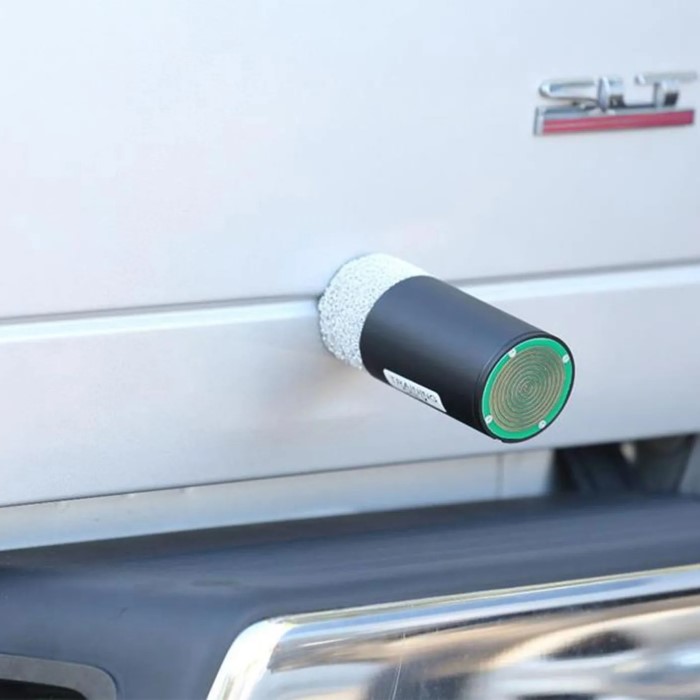
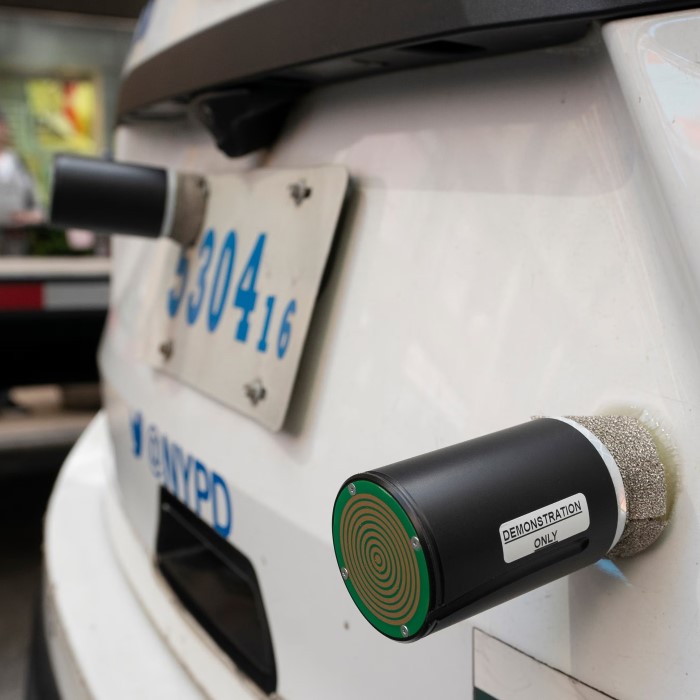
Police GPS trackers are designed to be compact and discreet, making them easy to install or hide.
- Ease of Use: Their small size allows for versatile placement, whether on a vehicle, in a bag, or on a person.
- Avoiding Detection: A hidden tracker can provide valuable location data without alerting suspects, increasing the effectiveness of surveillance operations.
- Stylish Options: Some models are specifically designed to resemble everyday items, making them less likely to recognized as tracking devices.
4. Long Battery Life
Efficient power management is vital for any police GPS tracker.
- Extended Usage: Many models come with long battery life, allowing for extended use without frequent recharging. This feature is particularly beneficial during ongoing investigations that require prolonged tracking.
- Low Battery Alerts: Some trackers provide notifications when the battery is low, ensuring that officers are aware and can recharge or replace the device promptly.
- Energy-Saving Features: Some advanced trackers come equipped with energy-saving modes that allow them to conserve battery life during periods of inactivity, prolonging usage time.
5. Data Logging and Reporting
Many police GPS trackers offer advanced data logging features.
- Historical Data Analysis: Officers can access historical location data for better analysis and reporting. This information, combined with other evidence, can significantly strengthen cases.
- Comprehensive Reports: Tracking software can generate detailed reports that provide insights into movement patterns over time.
- Integration with Other Systems: Some GPS trackers can integrate with existing law enforcement systems. Allowing for a cohesive approach to evidence collection and reporting.
How Police GPS Trackers Improve Public Safety
The application of police GPS trackers contributes positively to overall public safety efforts. Here’s how:
1. Crime Deterrence
Visible GPS tracking can act as a deterrent against criminal activity.
- Enhanced Surveillance: Areas known to have GPS trackers present can see a reduction in criminal occurrences as potential offenders fear being tracked.
- Community Engagement: Police can engage communities by sharing information about GPS tracking initiatives, promoting neighborhood watch programs, and encouraging collaboration in crime prevention.
- Visibility in High-Risk Areas: Increased patrols in specific areas known for high crime rates can lead to more effective crime prevention when paired with GPS data.
2. Quick Response to Incidents
Rapid response capabilities are critical in law enforcement.
- Emergency Alerts: With real-time tracking, police can quickly respond to incidents by sending the nearest officers to the scene.
- Coordinated Operations: GPS data allows for coordinated efforts between different units, improving the overall response time and effectiveness during emergencies.
- Informed Decision-Making: Access to real-time data enables police supervisors to make quicker, more informed decisions about resource deployment during crises.
3. Public Trust and Transparency
The use of GPS trackers in law enforcement can help build trust within the community.
- Accountability: When police are transparent about their tracking practices. It can enhance public trust, knowing that officers are held accountable for their actions.
- Community Safety Initiatives: Engaging the community in discussions about how GPS trackers used in public safety efforts can lead to increased cooperation and collaboration.
Frequently Asked Questions
What GPS trackers do police use?
Police typically use specialized GPS trackers designed for law enforcement use. Examples include advanced models from companies like Tracki, Garmin, and Spytec, focusing on real-time tracking and security features tailored for police operations.
Can police track a phone using GPS?
Yes, police can track a phone using GPS technology, but they generally require proper legal authorization, such as a warrant, to access location data from a personal device. Legal regulations are in place to protect individuals’ privacy.
Can you get a police tracker?
While citizens cannot obtain police-grade GPS trackers, there are numerous consumer-grade GPS tracking devices available that provide tracking functionalities for personal use. These devices, however, lack the specific features and capabilities designed for law enforcement applications.
Conclusion
In conclusion, the police GPS tracker is an invaluable tool in modern law enforcement. Its diverse features enhance tracking, improve officer safety, and contribute to effective public safety strategies.
Understanding the features that make a police GPS tracker effective equips departments to choose the right tools to serve and protect their communities. As technology advances, these devices will continue to play an essential role in enhancing the capabilities of police work, ensuring better safety outcomes in our cities.
By leveraging the potential of GPS technology, law enforcement agencies can respond more effectively to incidents, maintain public safety, and forge stronger connections with the communities they serve. Investing in modern GPS tracking technologies is not just about tracking individuals; it’s about ensuring a safer future for everyone.