What is a Protective Face Shield?
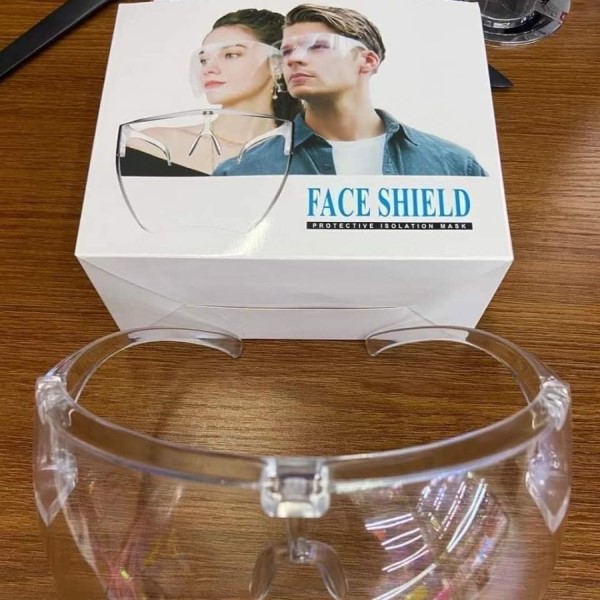
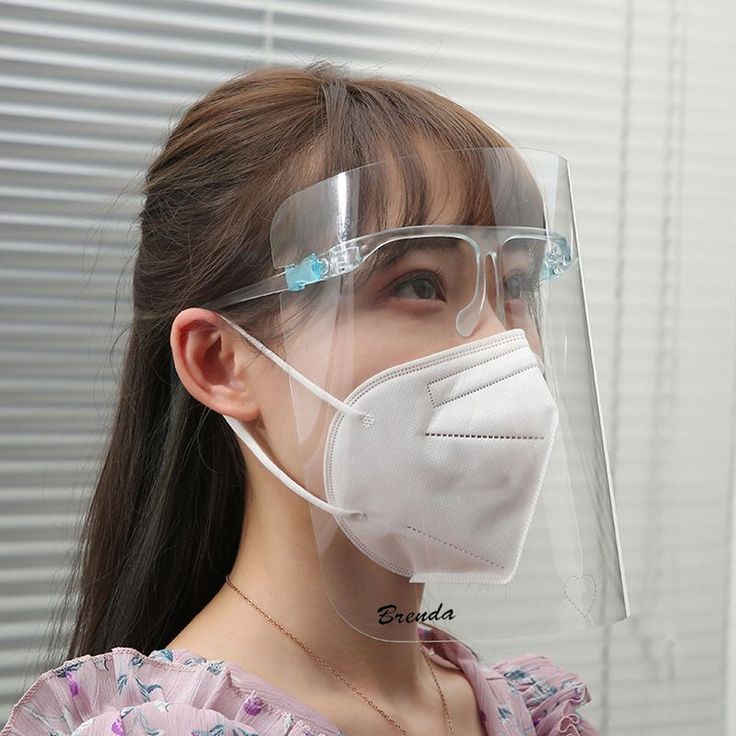
A protective face shield is a clear, plastic guard worn in front of the face. It is designed as a barrier to protect against hazards like splashes, sprays, and airborne particles. The shield covers the entire face, including eyes, nose, and mouth, offering comprehensive protection.
Protective face shields are typically made from durable, lightweight materials. They are transparent, ensuring clear vision while maintaining safety. They are commonly used in healthcare, industrial settings, and public spaces.
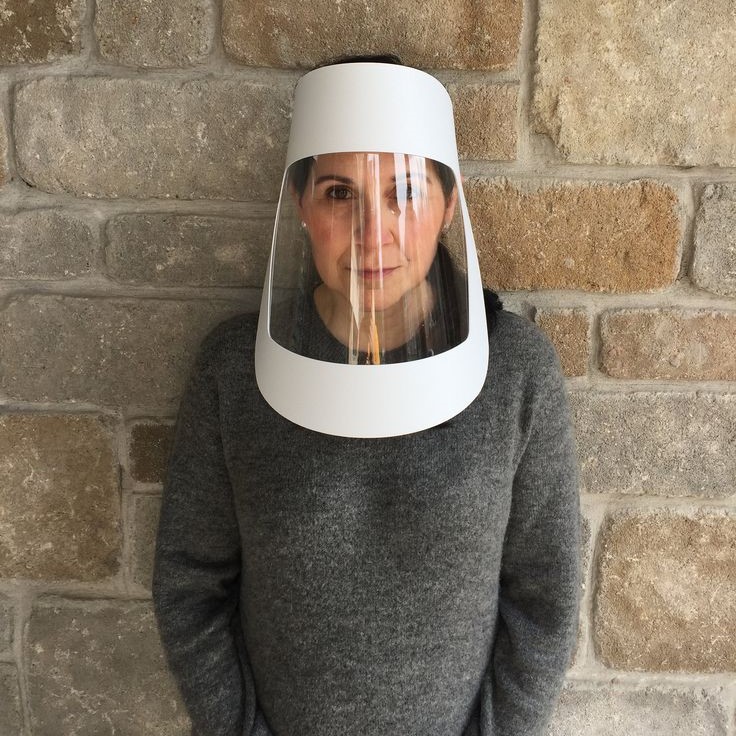
Face shields often come with adjustable headbands. This ensures a secure and comfortable fit for various head sizes. Some shields also integrate foam padding for added comfort during extended use.
Modern protective face shields are easy to clean and reusable. They provide an effective, reusable solution for protection compared to disposable masks.
In summary, a protective face shield is a practical safety tool. It is a key piece of personal protective equipment (PPE), especially in environments with high risks of contamination or injury.
Importance of Wearing a Protective Face Shield
Protective face shields play a vital role in personal safety. They offer a shield against splashes, sprays, and airborne particles. This barrier helps reduce the risk of infections and injuries.
Protection Against Infection
Face shields cover the entire face. This provides comprehensive protection for the eyes, nose, and mouth. It blocks infectious droplets from reaching sensitive areas. This is especially critical in healthcare and public settings.
Preventing Workplace Injuries
In industrial environments, face shields guard against flying debris and chemicals. This minimizes exposure to harmful materials during tasks like grinding and cutting. Wearing a face shield reduces workplace hazards significantly.
Supporting Disease Control
Face shields are effective tools for controlling diseases. They limit the spread of respiratory infections by blocking droplets. This makes them valuable in crowded areas or during outbreaks.
Enhancing Safety in Everyday Life
Using a protective face shield in daily activities is beneficial. It offers an added layer of protection in public spaces. It is particularly useful in situations where social distancing is harder to maintain.
Wearing a protective face shield is a simple yet powerful safety measure. It is an essential tool that can safeguard your health, prevent injuries, and support public safety.
Different Types of Protective Face Shields
Protective face shields come in various designs and features to meet diverse needs. Understanding the types can help you choose the right one for your situation.
Full-Face Shields
Full-face shields offer complete face coverage. They protect the eyes, nose, and mouth from splashes, sprays, and airborne particles. These shields are ideal for healthcare workers and industrial settings with high exposure risks.
Half-Face Shields
Half-face shields protect the lower part of the face. They are lightweight and easier to wear for longer periods. These are often used in situations where eye protection is not a concern.
Adjustable Shields
Adjustable protective face shields allow customization to fit different head sizes. They include an adjustable headband for extra comfort. Such shields are useful for long-duration wear, particularly in workplaces.
Foam-Padded Shields
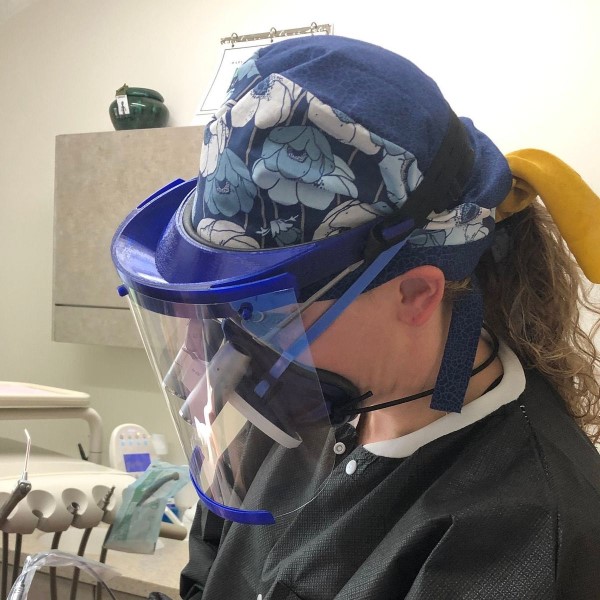
Foam-padded shields provide comfort by reducing pressure on the head. The foam padding is especially beneficial during extended use. These shields are commonly worn in healthcare and industrial environments.
Disposable Shields
Disposable shields are single-use and lightweight. They are convenient for temporary or one-time use, particularly in medical scenarios. These shields are designed for simplicity and immediate disposal after use.
Specialty Shields
Specialty protective face shields are tailored for specific tasks. Examples include shields with tinted visors for outdoor use or heat-resistant materials for high-temperature environments. These offer targeted protection based on specific workplace hazards.
Each type of face shield serves unique purposes and environments. Choosing the right one ensures effective protection and comfort during use.
When and Where to Use Protective Face Shields
Protective face shields are versatile and suited for various settings and situations. Knowing when and where to use them can maximize their protective benefits.
Healthcare Settings
Protective face shields are essential for healthcare workers. They provide a barrier against infectious droplets during patient care. Shields are commonly used during procedures or outbreaks when exposure risk is high.
Industrial Work Environments
In industrial settings, face shields protect workers from flying debris and chemicals. They are vital during tasks like grinding, welding, and chemical handling. This helps prevent injuries and ensures safety compliance.
Crowded Public Spaces
Face shields are beneficial in crowded areas with high transmission risks. They offer an added layer of protection against airborne particles. Examples include transportation hubs, events, or busy marketplaces.
Educational Institutions
Schools and universities use face shields for extra safety, especially in crowded classrooms. They help reduce the spread of infections among students and staff.
During Cleaning and Maintenance Work
Face shields protect against splashes from cleaning agents and dust particles. They are commonly worn during janitorial tasks or maintenance activities to minimize exposure to hazards.
Outdoor Activities
Specialty shields with tinted visors are useful for outdoor settings. They provide both facial protection and glare reduction during sunny conditions.
Understanding the right time and situation to use protective face shields enhances their effectiveness. Select the appropriate type based on the environment and specific risks.
Benefits of Using Protective Face Shields
Protective face shields offer numerous benefits in ensuring safety and improving hygiene. Their versatility makes them a practical choice for different environments. Here’s a look at the major advantages.
Enhanced Facial Protection
Face shields cover the entire face, including the eyes, nose, and mouth. This provides a comprehensive barrier against splashes, sprays, and airborne particles. Unlike masks, shields minimize direct contact with hazardous materials, ensuring better safety.
Reduced Risk of Infections
Face shields lower the chances of infections caused by droplets or airborne particles. They are especially effective in public spaces, healthcare, and crowded areas. This protective measure helps safeguard individuals against respiratory illnesses and viral outbreaks.
Comfort and Reusability
Protective face shields are comfortable to wear for long periods. Many feature adjustable straps and foam padding, improving usability. They are also reusable with proper cleaning, reducing waste compared to disposable masks.
Versatility for Various Settings
Face shields can be worn in healthcare, industrial environments, public places, and educational settings. Their design adapts to professional and personal needs, making them highly versatile.
Improved Visual Clarity
Since face shields are transparent, they do not impair vision. This ensures safe and clear visibility while working. For tasks requiring precision, this feature is crucial.
Easy Maintenance
Most face shields are easy to clean with basic disinfectants. This enhances protection and extends their usability. Regular cleaning helps maintain hygiene, especially in high-risk environments.
Contribution to Disease Control
Face shields prevent the spread of infections by blocking droplets from reaching others. Their use supports public health efforts during outbreaks or pandemics.
Protective face shields combine comfort, safety, and practicality. They are an excellent investment for personal protection and workplace safety.
How to Properly Wear and Maintain Your Face Shield
Wearing and maintaining a protective face shield correctly ensures optimal safety and longevity. Follow these guidelines for proper usage and care:
Steps to Wear a Protective Face Shield
- Start with Clean Hands: Wash your hands thoroughly using soap and water. You can also use a hand sanitizer.
- Inspect the Face Shield: Check for any damage, cracks, or compromised parts before putting it on.
- Position the Shield Correctly: Place the shield on your forehead, ensuring it covers your entire face securely.
- Adjust the Headband: Tighten or loosen the headband for a snug and comfortable fit. It should not be too tight.
- Ensure Full Coverage: The shield must cover your eyes, nose, and mouth without gaps.
- Avoid Touching the Shield: Once it is on, do not touch the front surface to prevent contamination.
Maintaining Your Face Shield
- Clean Regularly: Use a mild soap solution or alcohol-based disinfectant to clean the shield after each use.
- Dry Properly: Allow the shield to air dry or use a lint-free cloth to prevent scratches.
- Store Safely: Keep your clean face shield in a protective cover or a clean, dry place.
- Inspect Before Each Use: Check for signs of wear, damage, or warping that could reduce its effectiveness.
- Replace When Needed: If the shield becomes scratched or damaged, replace it promptly.
Regular cleaning ensures hygiene and prevents the spread of harmful pathogens. Proper storage keeps the shield free from dirt and damage. Always follow these steps diligently to make the most of your protective face shield and ensure safety in both personal and professional settings.
Comparing Protective Face Shields to Other Protective Equipment
Protective face shields offer unique advantages compared to other personal protective equipment (PPE). Understanding their differences helps in choosing the right gear for specific needs.
Masks
- Coverage: Face shields cover the entire face, including eyes, nose, and mouth. Masks only cover the nose and mouth.
- Reusability: Shields are reusable after cleaning. Many masks are disposable and meant for single use.
- Protection: Shields block splashes and droplets directly. Masks focus on filtering inhaled and exhaled air.
- Comfort: Shields are less restrictive and don’t hinder breathing, unlike tight-fitting masks.
- Visual Cues: Shields allow visibility of facial expressions, useful for communication.
Goggles
- Scope of Protection: Shields protect the full face, while goggles protect only the eyes.
- Ease of Use: Face shields are easier to wear for extended periods, with minimal discomfort.
- Field of Vision: Shields provide unobstructed visibility due to their transparent and expansive design.
Respirators
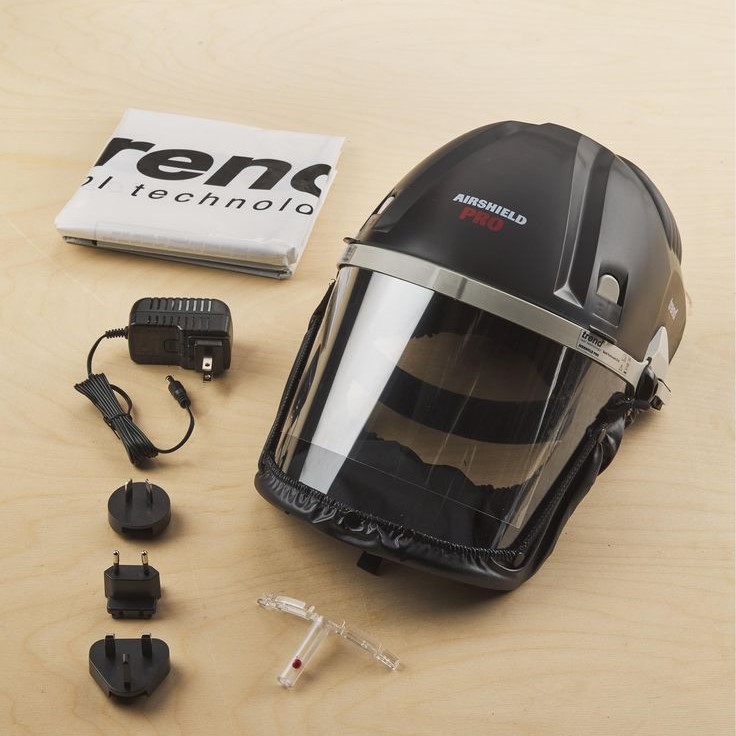
- Purpose: Respirators are designed for filtering airborne particles. Face shields protect against direct splashes.
- Application: Face shields are better for tasks involving liquid or flying debris. Respirators are ideal for toxic gases or fine particles.
- Maintenance: Shields require simple cleaning. Respirators may need filter replacements and specific care instructions.
Hard Hats with Visors
- Design: Hard hats with visors offer combined head and partial face protection. Face shields primarily protect the face.
- Use: Hard hats are vital in construction or heavy-duty environments. Shields suit healthcare and industrial settings.
Full-Body PPE
- Protective Range: Full-body PPE offers complete protection against hazardous environments. Shields focus on face safety.
- Convenience: Face shields are lightweight and easy to use. Full-body suits can be bulky.
Conclusion
Comparing protective face shields with other PPE showcases their unique strengths. These shields are versatile, reusable, and provide excellent overall face protection. However, they don’t replace other PPE in certain high-risk scenarios. Always select protection based on the task and hazards involved.
Choosing the Right Protective Face Shield for Your Needs
Selecting the correct protective face shield is crucial for maximizing safety and comfort. Different tasks and settings require specific features. Here’s a guide to help you make the best choice:
Assess Your Environment
- Healthcare Settings: Choose a full-face shield for maximum protection against infectious droplets.
- Industrial Workplaces: Opt for specialty shields with impact resistance for tasks like grinding or welding.
- Public Spaces: Select lightweight, reusable shields for general use in crowded areas.
- Outdoor Activities: Pick shields with tinted visors to reduce glare during daylight activities.
Consider Shield Features
- Full-Face Coverage: Ensure the shield covers the eyes, nose, and mouth effectively.
- Adjustable Fit: Look for shields with adjustable headbands for comfort and secure fit.
- Foam Padding: If wearing for long hours, opt for shields with foam padding for added comfort.
- Anti-Fog Coating: This feature ensures clear visibility in various climates or during heavy-duty tasks.
- Reusability: Choose shields that are easy to clean and durable for repeated use.
Think About Your Activities
- Short-Term Tasks: Use disposable shields if the task is temporary, like medical procedures.
- Prolonged Use: For extended wear, go for durable and padded shields that reduce strain.
- Specialized Requirements: Pick shields tailored for specific needs, such as heat-resistant models or chemical splash barriers.
Budget and Quality
Ensure your shield meets safety standards. Prioritize quality over cost to guarantee effective protection and long-term durability.
Consult Standards and Recommendations
Check safety certifications applicable to your industry. Standards like ANSI/ISEA Z87.1 ensure required protection levels.
Conclusion
Incorporating protective face shields into everyday life can significantly enhance health and safety. Their versatility, comfort, and ability to provide comprehensive protection make them an invaluable addition to personal protective equipment. As we navigate through various environments, understanding the effective uses of protective face shields can empower individuals to make informed choices regarding their safety. By embracing this protective measure, you can contribute to a safer community while ensuring your well-being.
Thus, whether in healthcare, education, or daily activities, protective face shields are designed to provide added protection and contribute to overall safety. With their clear benefits, adopting face shields into your routine can help you stay safe and healthy. Utilize these shields effectively, and you will enhance your ability to navigate today’s challenges with confidence.