What is High Visibility Clothing?
High visibility clothing is designed to make the wearer stand out. It is essential for safety in environments where visibility is low or hazards are present. Workers, athletes, and emergency responders commonly use this specialized clothing.
Definition and Purpose
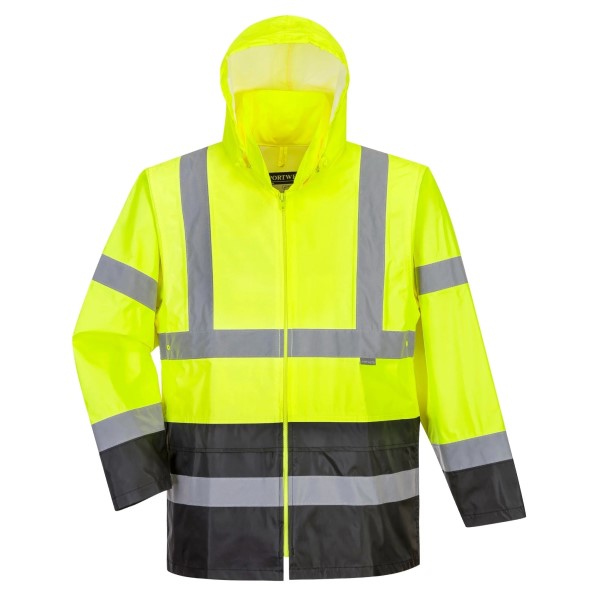
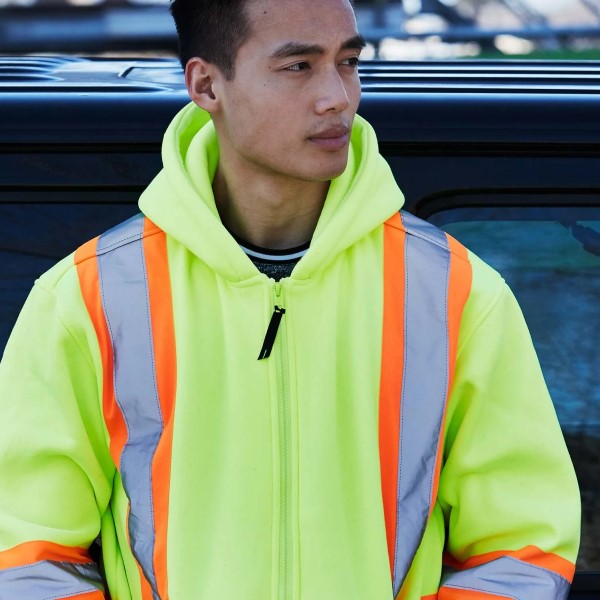
High visibility clothing is apparel made with bright colors and reflective materials. Its purpose is to increase visibility and keep wearers easily noticeable, especially in low-light conditions or high-risk settings. Safety is the primary goal, ensuring that individuals are seen from a distance by drivers, machinery operators, or other people. This helps reduce accidents and improve overall safety in various situations.
Key Features of High Visibility Clothing
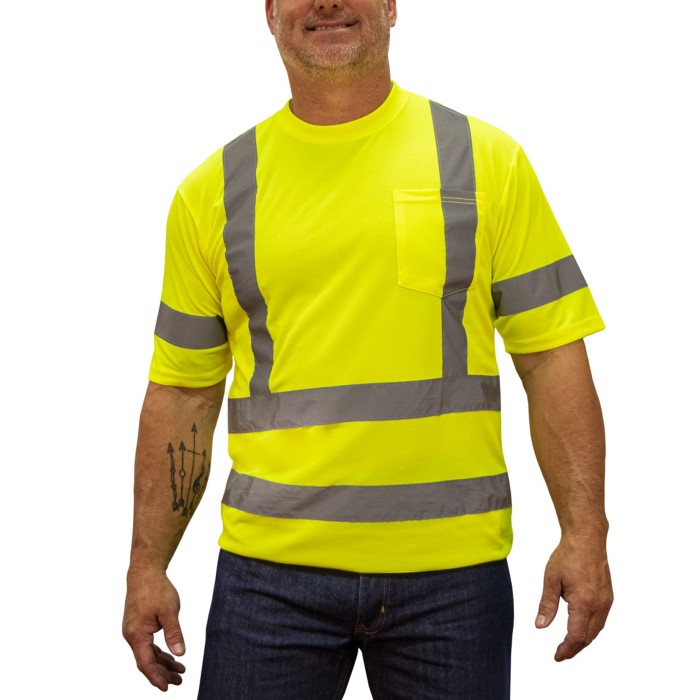
- Bright Colors: Most high visibility clothing comes in bright hues like fluorescent yellow, orange, and green. These colors enhance visibility during the day and in dim lighting.
- Reflective Strips: Reflective materials are strategically placed on clothing to improve visibility at night or in poor weather conditions. These strips reflect light from headlights or other light sources.
- Durable Materials: These garments are built with strong, long-lasting fabrics. They withstand tough conditions, such as heavy rain, snow, or construction environments.
- Weather Resistance: Many high visibility options are water-resistant or waterproof. This ensures wearers stay dry and visible in all weather.
- Accessibility: The clothing is designed to be lightweight and comfortable. This allows for ease of movement and long periods of wear, essential for workplace effectiveness.
Importance of High Visibility Clothing
High visibility clothing plays a crucial role in ensuring safety and adhering to regulations. Its importance spans across various industries and activities. Below, we break down its key benefits in two main aspects: safety and injury prevention, and legal and workplace compliance.
Safety and Injury Prevention
- Reduced Accidents: High visibility clothing ensures workers are easily noticed in risky environments. Bright colors and reflective materials make individuals stand out during the day and night.
- Protection in Low Light: Reflective strips on these clothes improve visibility in poor lighting or bad weather.
- Enhanced Awareness: Drivers, equipment operators, and co-workers can quickly spot wearers, reducing collision risks.
- Critical for Roadwork: Road workers wearing high visibility clothing are safer around moving vehicles or machinery.
- Sports Safety: Cyclists or runners in high visibility gear are more visible, reducing traffic accidents.
Legal and Workplace Compliance
- Meeting Safety Standards: Many workplaces require high visibility clothing to comply with safety laws and guidelines.
- Compliance with OSHA Regulations: In the United States, OSHA mandates wearing high visibility gear in specific work settings.
- Industry Requirements: Sectors like construction, roadwork, and logistics have strict visibility clothing rules for workers.
- Employer Responsibility: It is mandatory for employers to provide workers the necessary protective equipment, including high visibility clothing.
- Liability Reduction: Complying with legal standards protects companies from lawsuits and penalties if accidents happen.
By promoting safety and ensuring compliance, high visibility clothing remains a vital investment for workplaces and individual activities.
Applications of High Visibility Clothing
High visibility clothing has diverse applications across different industries and activities. Its purpose is to improve visibility and promote safety in potentially dangerous environments. Below, we explore how it is used in construction, emergency response, and outdoor sports.
Construction and Roadwork
- Worker Safety: High visibility clothing protects construction workers from accidents near vehicles or machinery.
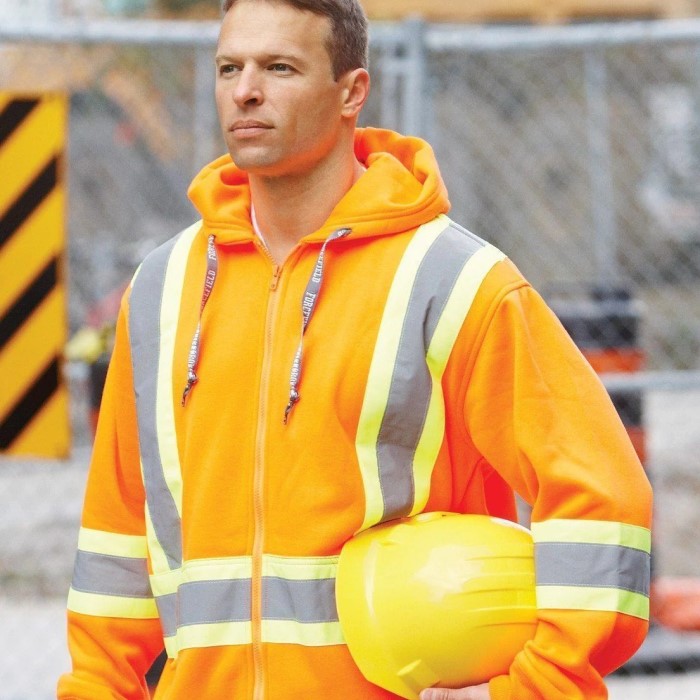
- Day and Night Visibility: Fluorescent colors ensure visibility during the day, while reflective strips shine at night.
- Compliance with Regulations: OSHA and other safety standards require high visibility gear for road and construction crews.
- Weather Resistance: Clothing options include waterproof features, ensuring protection and visibility during rain or snow.
- Team Identification: High visibility clothing helps easily identify team members in busy construction zones.
Emergency Responders
- Enhanced Visibility in Crisis: First responders use high visibility gear to be seen during emergencies, even in low light.
- Quick Identification: Bright colors and reflective elements improve recognition during rescue missions.
- Protective Materials: Durable fabrics withstand harsh conditions faced by emergency services.
- Improved Communication: High visibility gear makes responders easily identifiable, streamlining coordination in chaotic environments.
- Traffic Control Assistance: Emergency workers are safer on roadside missions, as drivers spot them easily.
Outdoor Sports and Activities
- Cyclist and Runner Safety: High visibility clothing reduces traffic accidents by making athletes noticeable.
- Weather Adaptation: Waterproof options keep athletes safe and comfortable during rain or snow.
- Improved Group Visibility: Teams wearing high visibility apparel can easily identify each other in crowded events.
- Reflective Elements for Night Sports: High visibility clothing ensures sports enthusiasts are visible in evening activities.
- Child Safety Outdoors: Bright and reflective clothing makes children visible during outdoor play.
The applications of high visibility clothing highlight its importance in maintaining safety and reducing risks. It remains essential for workers, emergency responders, and outdoor enthusiasts alike.
Types of High Visibility Clothing
Choosing the right type of high visibility clothing is crucial for safety and effective performance. Different designs cater to unique needs, industries, and activities. Below are the main categories:
Vests and Jackets
- High Visibility Safety Vests: These are lightweight and ideal for warm weather. They often feature bright colors with reflective strips for enhanced visibility.
- Reflective Jackets: These jackets are heavier and suited for cold or wet conditions. They combine bright fabrics with durable reflective materials to ensure visibility.
- Multi-Pocket Options: Many vests and jackets include multiple pockets for carrying tools or essentials.
- Purpose-Specific Designs: Jackets and vests designed for roadwork, emergencies, and sports offer customized features, improving their practical use.
- ANSI Compliant Options: Choose jackets and vests that meet recognized safety standards for workplace compliance.
Pants and Overalls
- High Visibility Pants: These pants help ensure visibility for workers bending or in low positions. Bright colors and reflective stripes are key features.
- Overalls: Designed for full-body protection, overalls are ideal for messy or hazardous environments. They are made of durable and weatherproof materials.
- Integrated Reflective Design: Reflective elements on pants and overalls enhance safety in poor lighting.
- Weather-Resistant Materials: Many options include water-resistant or insulated features for tough weather conditions.
- Comfortable Fit: Adjustable options ensure ease of movement while maintaining visibility.
Accessories and Add-ons
- Hats and Helmets: Bright and reflective hats or helmet covers improve visibility of the upper body.
- Arm and Leg Bands: These reflective accessories make specific body parts more noticeable at night.
- Gloves: Reflective gloves enhance hand signals during roadside or construction tasks.
- Shoe Covers: Bright or reflective shoe covers help improve foot visibility for workers and athletes.
- Backpacks: High visibility backpacks are useful for carrying supplies while remaining noticeable in dim conditions.
Different types of high visibility clothing cater to specific safety needs. Selecting the right type ensures optimal visibility and comfort in various activities and environments.
Factors to Consider When Choosing High Visibility Clothing
Choosing the right high visibility clothing is essential to ensure safety and maximum performance. Below are important factors to consider when selecting high visibility apparel that meets your needs.
Material and Durability
- Strong Fabrics: Opt for clothing made with durable materials to ensure long-lasting use. This prevents wear and tear in demanding conditions.
- Weather Resistance: Choose garments with waterproof or weatherproof features for protection in rain, snow, or extreme heat.
- Flexibility: Ensure the materials allow easy movement without compromising comfort or visibility.
- Maintenance Ease: Select fabrics that are easy to wash and maintain while retaining their reflective quality.
- Resilience to Tough Environments: Look for clothing that can withstand heavy-duty work such as construction or roadwork.
Visibility Standards and Certifications
- Compliance with Safety Regulations: Ensure that the clothing meets local and industry-specific visibility standards.
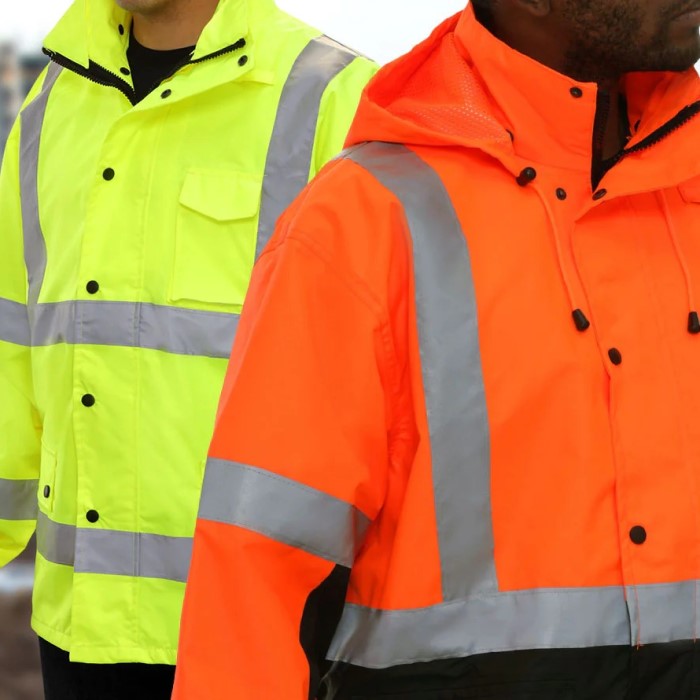
- ANSI Approved Apparel: Choose garments certified by recognized authorities like ANSI for workplace safety compliance.
- High Reflectivity: Ensure the clothing has quality reflective strips visible from long distances.
- Color Brightness: Select bright colors such as fluorescent yellow or orange for better daytime visibility.
- Testing for Certification: Look for apparel tested and certified for reliability in low light and nighttime conditions.
Comfort and Fit
- Lightweight Options: Pick lightweight and breathable clothing for ease of movement in active jobs.
- Adjustability: Choose adjustable sizes to fit securely and reduce distractions at work.
- Ease of Wear: Prioritize designs that are easy to put on and remove quickly.
- Temperature Adaptability: Select options suitable for varying temperatures, including insulated or summer-friendly fabrics.
- Non-Restrictive Designs: Avoid clothing that limits movement, especially in physically demanding tasks.
Selecting high visibility clothing with durable materials, safety certifications, and a comfortable fit ensures optimal performance and protection. Always prioritize key features that align with your specific environment and needs.
Maintenance and Care for High Visibility Clothing
Proper maintenance and care are crucial for ensuring the longevity and effectiveness of high visibility clothing. Neglecting these practices can reduce the garment’s visibility and safety features.
Washing and Cleaning Tips
- Follow Care Labels: Always check and follow the care instructions on the clothing tag.
- Use Mild Detergent: Avoid harsh chemicals that may damage reflective materials and fluorescent colors.
- Cold or Warm Water: Wash with cold or warm water to prevent color fading and preserve fabric quality.
- Avoid Bleach: Bleach can cause discoloration and degrade reflective strips.
- Do Not Overload the Washer: Overloading can damage reflective elements due to friction.
- Gentle Cycle Only: Use a delicate cycle to minimize wear and tear during washing.
- Air Dry When Possible: Machine drying may harm reflective materials. Air drying is gentler.
- Do Not Iron Reflective Areas: Heat from ironing can damage the reflective sections.
Storing to Maintain Reflectiveness
- Store in Cool, Dry Places: Keep clothing in areas away from direct sunlight and moisture.
- Avoid Dust and Dirt: Dirty storage spaces can dull colors and reflective surfaces over time.
- Hang Instead of Folding: Hanging prevents creases and preserves the reflective properties.
- Separate from Rough Fabrics: Avoid storing with abrasive materials to prevent scratches on reflective elements.
- Check for Damage Regularly: Inspect for wear and tear before storage to address issues promptly.
- Keep Away from Chemicals: Store away from oils, fuels, or other substances that can degrade the material.
Taking proper care of your high visibility clothing ensures its effectiveness and extends its lifespan. Regular maintenance helps retain the safety features so that you stay visible and protected in all environments.
Innovations in High Visibility Clothing
High visibility clothing continues to evolve with advancements in technology and growing environmental concerns. Modern innovations improve both safety and sustainability, offering new possibilities for users across industries.
Technological Advancements
- Smart LED Integration: Some high visibility garments include LED panels or lights for enhanced visibility. These lights are particularly useful in extremely low-light environments or during nighttime tasks.
- Self-Adjusting Fabrics: Advanced fabrics can adapt to lighting conditions, becoming brighter or reflective when needed. This ensures maximum safety in varying visibility levels.
- Wearable Tech Features: Clothing with integrated GPS trackers, communication devices, or fitness monitoring adds functionality for users. These features are popular among emergency responders and outdoor athletes.
- Enhanced Reflective Materials: New materials reflect light more efficiently and from wider angles. This innovation makes wearers visible from greater distances and in diverse conditions.
- Temperature-Sensitive Designs: Innovations like temperature-regulating fabrics allow for comfort while maintaining high visibility. This is especially useful in extreme weather.
Eco-Friendly and Sustainable Options
- Recycled Materials: Many manufacturers now use recycled fabrics to produce high visibility clothing. This reduces waste and environmental impact.
- Biodegradable Fabrics: Some options now feature biodegradable materials that decompose without harming the environment over time.
- Energy-Efficient Production: Sustainable manufacturing processes use less energy and water to create high visibility garments. This helps reduce carbon footprints.
- Non-Toxic Dyes: Bright colors in eco-friendly clothing are achieved using non-toxic, plant-based dyes. These dyes are safer for workers and the environment.
- Longevity to Reduce Waste: Durable and long-lasting designs help reduce frequent replacements. This benefits both users and sustainability efforts.
Innovations in high visibility clothing reflect the balance between safety and environmental responsibility. These advancements make modern garments safer, smarter, and more sustainable for diverse user needs.