Introduction
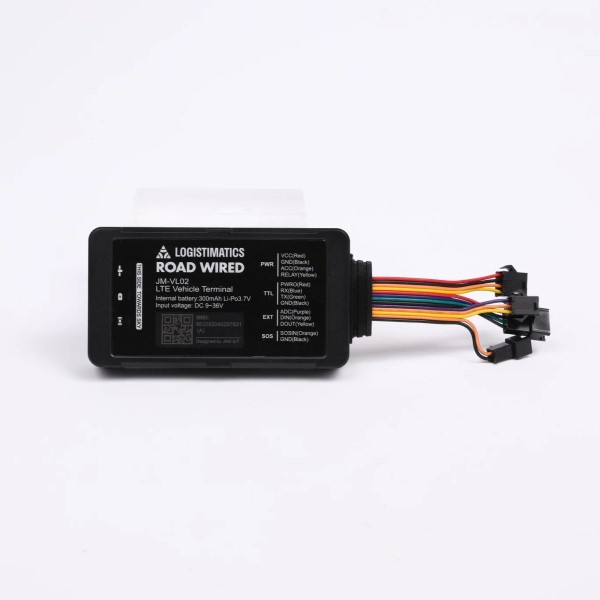
Hardwired GPS trackers are popular devices used for vehicle tracking. These trackers are installed directly into a vehicle’s electrical system, ensuring consistent power supply and reliable performance. They are ideal for individuals, businesses, and fleet managers who require accurate real-time tracking.
What is a Hardwired GPS Tracker?
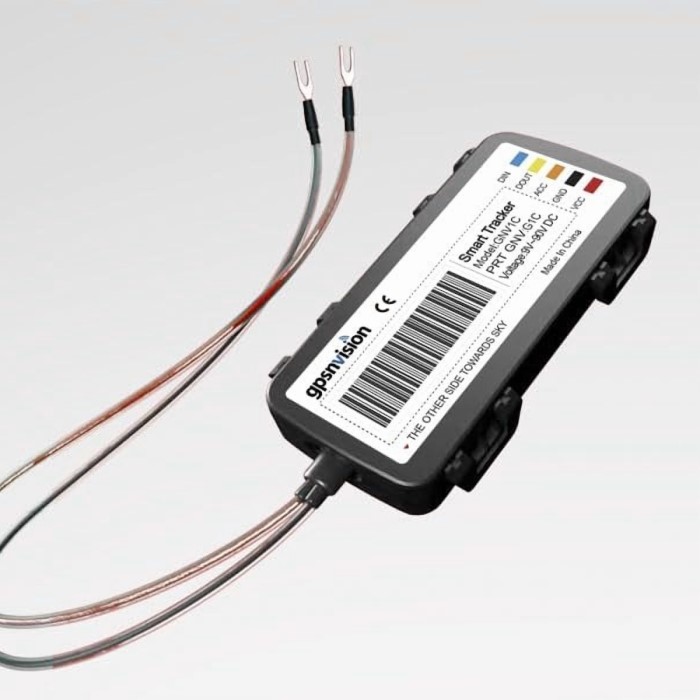
A hardwired GPS tracker is a compact device that uses GPS technology to monitor a vehicle’s location. Unlike battery-powered trackers, it draws power directly from the vehicle’s electrical system. This eliminates the need for frequent charging and provides uninterrupted tracking.
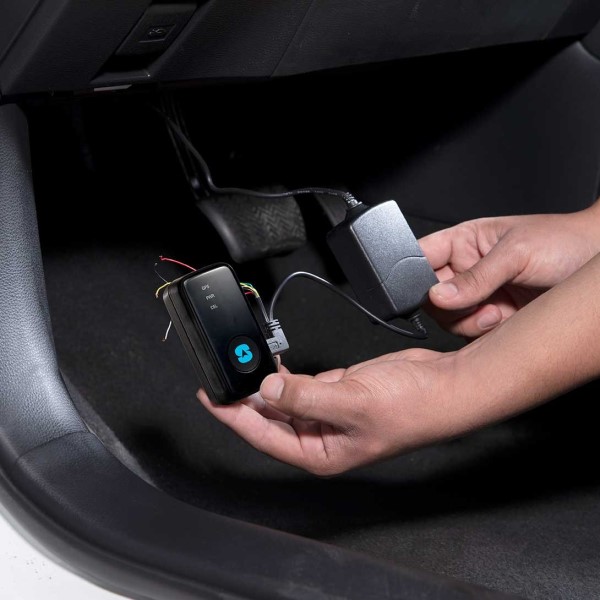
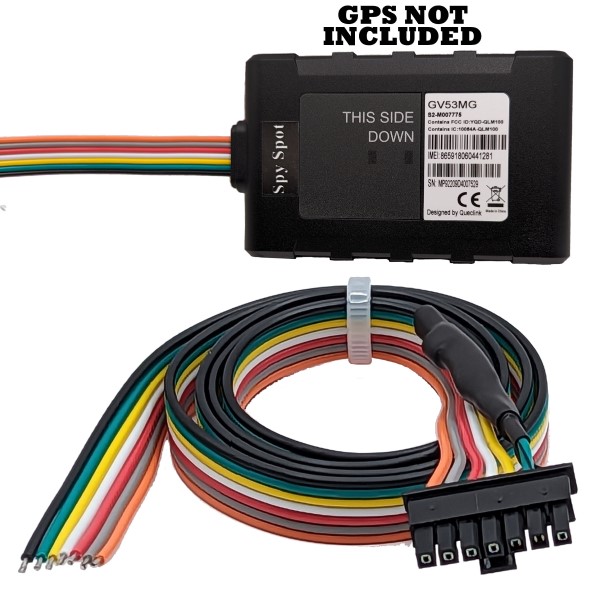
These trackers are typically installed under the dashboard or in other discreet locations. They consist of components like antennas, wiring harnesses, and a GPS unit. Hardwired GPS trackers can provide data such as speed, routes, and duration of trips.
Benefits of Using Hardwired GPS Trackers
- Reliable Power Source: Hardwired GPS trackers are powered directly by the vehicle, ensuring they are always operational.
- Real-Time Tracking: These trackers offer accurate and constant tracking updates for better monitoring.
- Enhanced Security: They help in locating stolen vehicles quickly, reducing recovery time.
- Versatility: Suitable for both personal vehicles and fleet management purposes.
- Long-Term Use: Less maintenance is needed compared to battery-powered trackers.
- Customizable Features: Some models include advanced features like geofencing and alerts.
Hardwired GPS trackers have gained popularity due to their efficiency and reliability. Understanding their benefits can help you choose the right tracker for your needs.
Tools and Materials Needed for Installation
Installing a hardwired GPS tracker requires the right tools and understanding of the tracker’s components. Preparation ensures a smooth and effective installation process. Below are the tools and materials you’ll need to complete the task successfully.
Essential Tools to Prepare
- Screwdrivers: A set of Phillips and flat-head screwdrivers for removing panels and securing components.
- Wire Strippers: To strip vehicle wires for proper connection to the GPS tracker.
- Multimeter: Useful for testing the power supply and electrical connections.
- Electrical Tape: To insulate and secure exposed wires after connection.
- Pliers: For gripping, bending, cutting, and manipulating wires as needed.
- Zip Ties: To organize and secure wires neatly within the vehicle.
- Portable Flashlight: For visibility when working in low-light areas, such as under the dashboard.
Having these tools ready before starting can save time and make installation easier and safer.
Components of a Hardwired GPS Tracker
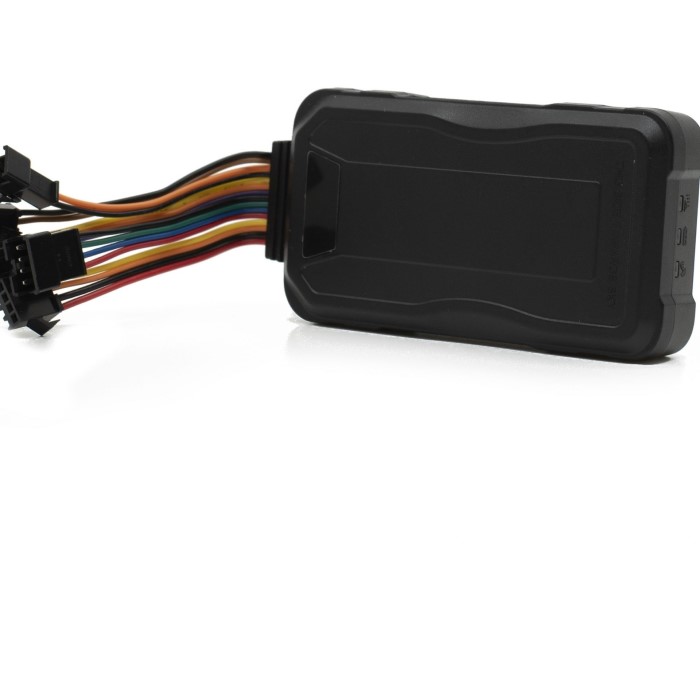
- GPS Unit: The main device that monitors and records vehicle location.
- Wiring Harness: A set of wires that connect the GPS tracker to the vehicle’s power system.
- Antennas: GPS and/or GSM antennas to receive signals for accurate tracking.
- Fuse Kit: Protects the tracker and the vehicle’s electronics in case of a power issue.
- User Manual: Offers detailed instructions and specifications for proper installation.
Understanding these components helps in correctly installing and connecting the hardwired GPS tracker. Proper preparation of tools and knowledge of the tracker’s parts are critical for achieving a flawless installation process.
Pre-Installation Preparation
Proper preparation is essential before installing a hardwired GPS tracker. Taking a few preliminary steps ensures a seamless process, minimizes errors, and improves the tracker’s performance. The following aspects will help you get ready for installation.
Choosing the Right Location for Installation
Selecting the right location for the GPS tracker is crucial for optimal performance. Ensure the tracker is discreetly placed to prevent tampering. Common locations include under the dashboard or behind interior panels. Verify that the chosen spot allows clear signal reception. Avoid areas near metal obstructions or electronic components that may interfere with the GPS signal. Use the user manual to identify the most suitable placement options for your specific tracker model.
Understanding the Vehicle’s Electrical System
Working with the vehicle’s electrical system requires basic knowledge of its wiring. Review the vehicle’s wiring diagram to locate the appropriate power and ground wires. Identify the ignition wire for connecting the tracker’s power source. Use a multimeter to test wires and confirm connections. Proper understanding of the electrical system prevents wiring errors and ensures the device functions correctly.
Safety Tips Before Installation
Follow safety precautions to avoid hazards during installation. Disconnect the vehicle battery to prevent electrical shocks or short circuits. Use insulated tools while working with exposed wires. Secure all wires properly to avoid loose connections. Avoid installing the GPS tracker when the vehicle is running. Wearing gloves and safety goggles is also recommended to protect yourself from accidental injuries.
Preparation ensures a smooth installation process and enhances the tracker’s reliability. Take time to choose the right location, understand the vehicle’s wiring, and follow safety measures before you proceed.
Step-by-Step Guide
Installing a hardwired GPS tracker can seem like a complex task, but with careful attention to detail and systematic steps, it becomes manageable. This guide provides a clear process to ensure effective installation of your tracker. Follow each step to ensure proper functionality and long-term use.
Wiring the GPS Tracker to the Vehicle’s Power Source
- Locate the power wire of your vehicle using the wiring diagram.
- Use a multimeter to verify the power wire is active and suitable for connection.
- Strip the power wire and connect it to the tracker’s power input using the wiring harness.
- Secure the connection with electrical tape or connectors to avoid loose wiring.
- Ensure the tracker always receives power by connecting it to the ignition wire or constant power supply.
Connecting the Ground Wire and Input Signals
- Identify the ground wire of the vehicle system. This is often black or brown.
- Connect the tracker’s ground wire securely to the vehicle’s ground connection.
- Use the wiring harness to link input signals, such as ignition and sensor connections.
- Test connections with a multimeter to confirm accurate flow of electricity.
- Check the user manual for specific input signal requirements to ensure compatibility.
Ensuring Proper Placement to Avoid Signal Loss
- Place the tracker in a discreet location, such as under the dashboard.
- Avoid areas that may block GPS signals, like metal surfaces or electronic interference.
- Ensure the antennas face upwards for clear reception and precise tracking.
- Use zip ties to secure wires neatly and prevent interference with vehicle components.
- Recheck all connections and placements before completing installation.
Follow these steps methodically to avoid common mistakes. Testing connections and placement minimizes errors and enhances signal strength, ensuring optimal tracker performance.
Troubleshooting Common Installation Issues
Even with careful installation, issues with hardwired GPS trackers can arise. Troubleshooting helps ensure the tracker works effectively. Below are common problems and how to address them.
Checking Connections for Errors
- Examine All Wiring: Check if all wires are securely connected to the correct terminals.
- Use a Multimeter: Verify electrical flow at each connection point.
- Inspect Wiring Harness: Ensure there are no cuts or exposed wires.
- Check Ground Connection: Confirm the ground wire is attached correctly to avoid power issues.
- Look for Loose Wires: Tighten any loose connections for stable performance.
Regularly inspecting these connections can resolve most errors quickly.
Handling GPS Signal Interference
- Verify Placement: Ensure the tracker isn’t blocked by metal or electronic interference.
- Check Antenna Position: Make sure antennas are positioned upward for clear signal reception.
- Avoid High Interference Areas: Keep the tracker away from devices like radios or engines.
- Relocate if Needed: Move the tracker to another location to improve its signal.
- Restart the Device: A power cycle may help resolve temporary interference.
By maintaining optimal placement, signal issues can be minimized or eliminated.
Verifying Power Supply and Wiring
- Test Power Source: Use a multimeter to check the power from the vehicle’s electrical system.
- Inspect Ignition Connection: Verify the tracker is connected to the correct ignition wire.
- Check Fuse Health: Ensure the installed fuse is intact and functional.
- Avoid Power Overload: Do not connect additional devices to the same power source.
- Secure Power Supply: Secure connections with electrical tape to prevent disruptions.
Power supply and wiring are critical for the tracker’s reliability. Monitoring these can avoid performance issues.
By following these troubleshooting steps, you can ensure efficient functionality of your hardwired GPS tracker.
Post-Installation Tips
Completing the installation of your hardwired GPS tracker is not the end of the process. To maximize performance and ensure longevity, follow a few post-installation tips.
Testing the GPS Tracker for Accurate Functionality
- Power Verification: Start the vehicle and ensure the tracker powers up correctly.
- Signal Test: Check if the tracker is receiving a strong GPS signal.
- Location Tracking: Verify that the tracker shows accurate real-time location data.
- System Alerts: Test additional features like geofencing or movement alerts to confirm proper functionality.
- Reconnect if Needed: If any feature fails, inspect wiring and connections, then retest the system.
Testing ensures the GPS tracker is working correctly from the start. Regular checks improve reliability and performance.
Maintaining the Tracker for Long-term Use
- Inspect Wiring Regularly: Check for loose connections or damaged wires weekly.
- Clean Components: Remove dust and debris from the tracker and antennas periodically.
- Update Software: Install firmware updates provided by the manufacturer to improve features.
- Monitor Signal Strength: Relocate the tracker if you notice signal interruptions.
- Prevent Overloading: Avoid connecting multiple devices to the same power source.
Routine maintenance keeps the tracker efficient and prevents any operational issues over time.
Frequently Asked Questions About GPS Tracker Installation
How to Determine Compatibility with Your Vehicle?
To check compatibility, assess the vehicle’s electrical system and GPS tracker specifications. Review the provided user manual for installation requirements. Ensure the tracker supports your vehicle’s voltage range, usually 12V or 24V. Confirm it works with your vehicle’s wiring setup. Some trackers need specific features, like an ignition wire or direct power source. Use a multimeter to verify accessible connections. Check for additional features like geofencing and alerts if necessary. Planning ensures a seamless and error-free installation.
How Difficult is DIY Installation?
DIY installation varies based on the tracker model and vehicle experience. Easy setups include clear wiring diagrams and tools. Ensure you understand the vehicle’s electrical system beforehand. Gather tools like screwdrivers, a multimeter, and electrical tape. Follow step-by-step guides in the tracker’s manual. Common challenges include testing wires or hiding the tracker properly. Basic knowledge of wiring and safety tips reduces risks. Beginners may take more time compared to experts. If uncertain, professional assistance can save effort and avoid mistakes.
When to Seek Professional Assistance
Installing a hardwired GPS tracker can sometimes require professional expertise. Complex installations or vehicle-specific challenges might exceed personal abilities. Seeking help ensures a safe and effective process. Understanding when to rely on a professional is crucial to avoid errors.
Scenarios Requiring Expert Help
- Complex Electrical Systems: Modern vehicles with advanced electronics may need expert handling.
- Lack of Experience: Limited knowledge of wiring significantly increases installation risks.
- Vehicle-Specific Complications: Exotic or customized vehicles might have non-standard wiring setups.
- Safety Concerns: Missteps can cause electrical shorts or damage your car’s systems.
- Troubleshooting Difficulties: Persistent issues like signal loss or power problems may need expert diagnosis.
- Time Constraints: Professionals save time and effort, ensuring quicker installation.
Relying on experts in these situations ensures proper setup and protects your vehicle’s electronics.
Cost vs. Benefits of Professional Installation
- Cost Considerations:
- Professional services may charge $100 to $300, depending on complexity.
- While costly upfront, hiring experts prevents potential repair expenses from incorrect installations.
- Benefits of Expertise:
- Accurate installation of complex systems and securing reliable connections.
- Avoiding wiring errors that could lead to signal loss or device malfunctions.
- Guidance on optimal placement for better GPS signal reception.
- Time Efficiency:
- Professionals complete the process faster by avoiding errors or missteps.
- Saves hours of your time learning and troubleshooting.
- Guaranteed Results:
- Most experts offer warranties or guarantees on their installation services.
- Peace of mind knowing the system is functional and safely installed.
Weighing the cost against these benefits can help you decide. Choose professional assistance when complexity, time, or functionality is a concern.
Conclusion: The Future of Vehicle Security
In conclusion, investing in a hardwired GPS tracker is a proactive step toward future-proofing your vehicle. By following the installation tips outlined in this guide, you can ensure that your device operates efficiently and effectively.
The importance of vehicle security cannot be overstated, and a hardwired GPS tracker provides the peace of mind that comes with knowing your vehicle is protected. Whether you’re a fleet manager or a personal vehicle owner, taking the time to install a reliable GPS tracker can significantly enhance your vehicle’s safety.
By embracing the advanced features available in modern GPS trackers, you can better monitor your vehicle, optimize performance, and respond quickly in emergencies. Prioritize your vehicle’s security today by installing a hardwired GPS tracker and enjoy the confidence that comes with it!