Introduction: Understanding Hand Warmers
As winter approaches, many people search for ways to keep warm, especially those who participate in outdoor activities. One practical solution is the hand warmer, a small device designed to provide heat for your hands. These devices are especially useful while skiing, attending outdoor sports, or simply working in cold offices. But have you ever wondered what is inside a hand warmer? In this comprehensive article, we will explore the various types of hand warmers, their components, and how they work to combat the cold. You’ll also find guidelines on choosing the right hand warmer for your needs.
What Are Hand Warmers?
Hand warmers are portable devices specifically designed to generate heat and keep your hands warm. There are various types of hand warmers available on the market, each employing different technologies to provide warmth. Their compact size makes them easy to carry in pockets, bags, or on desks. While hand warmers are widely used during winter, they can be beneficial all year round for people with cold sensitivities.
Why Do You Need a Hand Warmer?
- Comfort: Cold hands can be uncomfortable and distracting, especially while typing or working on projects. Hand warmers provide warmth and improve your overall comfort.
- Productivity: When your hands are warm, you can work more efficiently without interruptions due to discomfort.
- Health Benefits: Prolonged exposure to cold can lead to stiffness in the hands and decreased circulation. Using a hand warmer can help prevent these issues and promote better hand health.
Types of Hand Warmers
Understanding the main types of hand warmers will help you know what is inside a hand warmer and how each type functions. Here are the most common forms of hand warmers:
1. Disposable Hand Warmers
Composition:
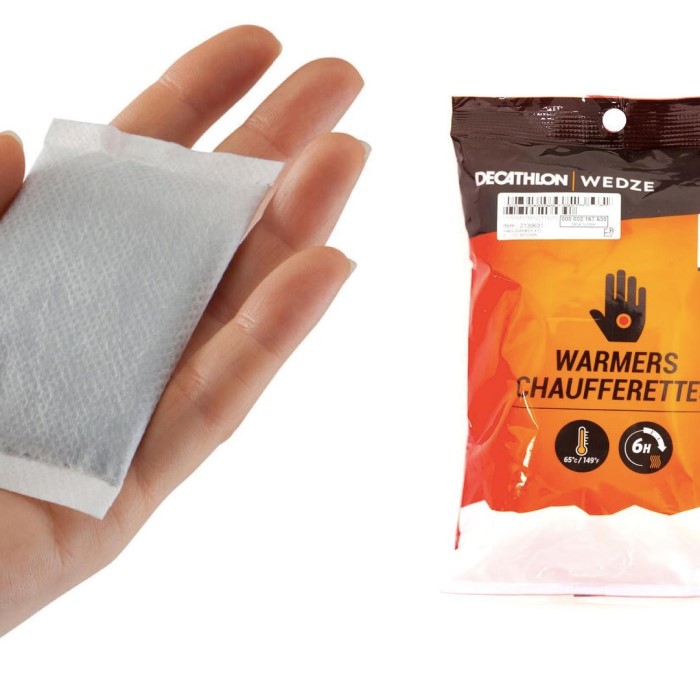
- Made from a combination of iron powder, salt, activated charcoal, and vermiculite.
- These materials are contained within a sealed pouch and are ready to use right out of the package.
How They Work:
- When you open the pouch, oxygen enters, initiating a chemical reaction between the iron powder and salt, creating heat.
- This reaction is exothermic, meaning it releases heat, causing the warmers to generate warmth for extended periods.
Use and Duration:
- Disposable warmers can provide heat for 5 to 10 hours, making them practical for short-term use during outdoor activities.
- Because they are single-use, you can toss them out after activation.
2. Reusable Gel Hand Warmers
Composition:
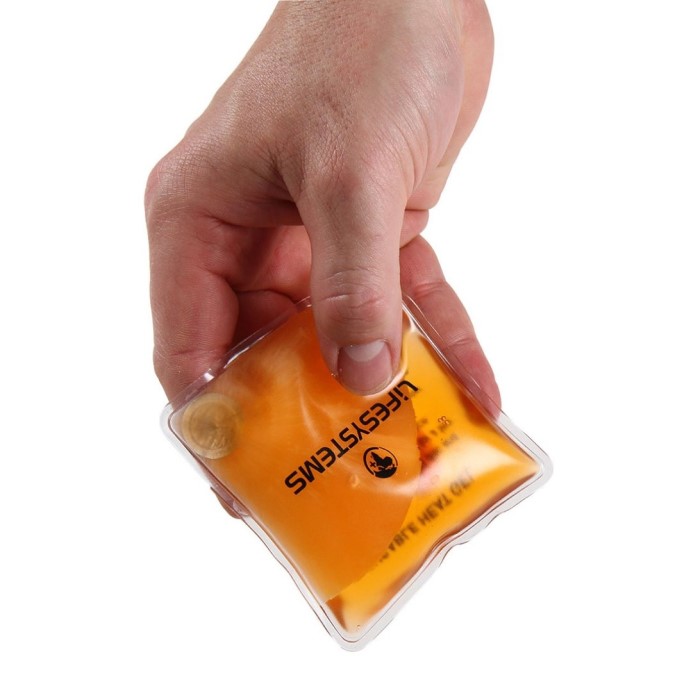
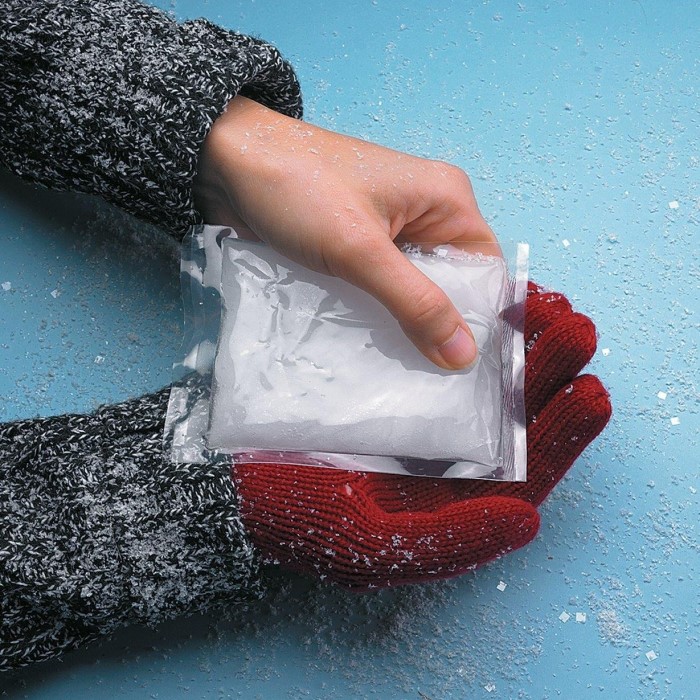
- Filled with a supersaturated solution of sodium acetate, these devices can be used multiple times.
- They have a metal disc inside that initiates the crystallization process.
How They Work:
- By flexing or squeezing the metal disc, you create a sudden burst of energy that causes the sodium acetate to crystallize and release heat.
- The heat generated can last anywhere from 30 minutes to several hours, depending on the model.
Safety and Longevity:
- Reusable gel hand warmers are safe and environmentally friendly, as they can be reset by boiling the pouch in water to dissolve the crystals back into liquid form.
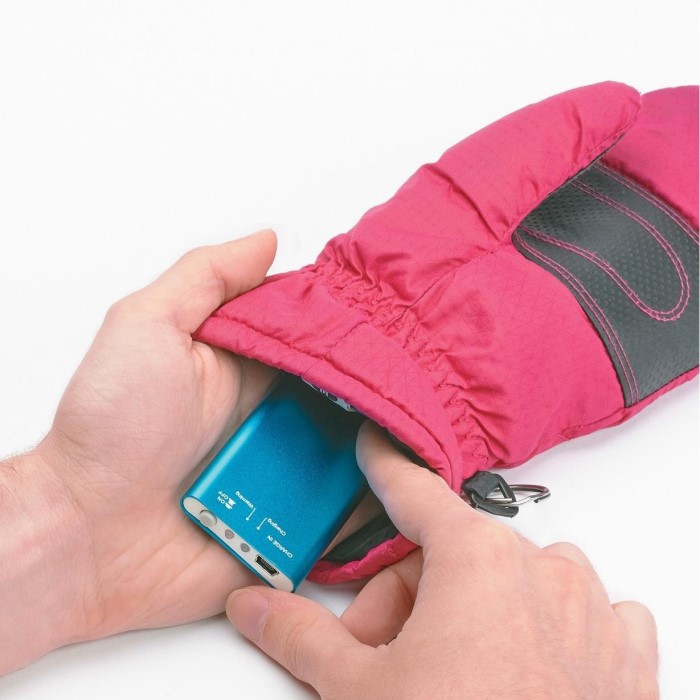
3. Electric Hand Warmers
Composition:
- These hand warmers contain heating elements powered by rechargeable batteries.
- Many models also function as portable chargers for electronic devices.
How They Work:
- Electric hand warmers generate heat through an electric current passing through resistive heating elements.
- You can also adjust the temperature settings to your comfort level, allowing for customizable warmth.
Portability and Convenience:
- Although electric hand warmers are usually larger than disposable options, many are designed to fit easily in a bag or purse.
- Some models even feature built-in safety mechanisms to prevent overheating.
4. Microwaveable Hand Warmers
Composition:
- These warmers can be filled with materials such as rice, beans, or gel.
- They are designed to be heated in a microwave.
How They Work:
- To use, you simply heat the warmer in the microwave, allowing the contents to absorb heat.
- They provide warmth through thermal retention, allowing the heat to be released gradually.
Application:
- Microwaveable hand warmers are great for soothing sore muscles or providing extra warmth while working at your desk.
How Hand Warmers Work
Now that you understand the types of hand warmers, let’s take a deeper dive into their mechanisms:
1. Chemical Reactions
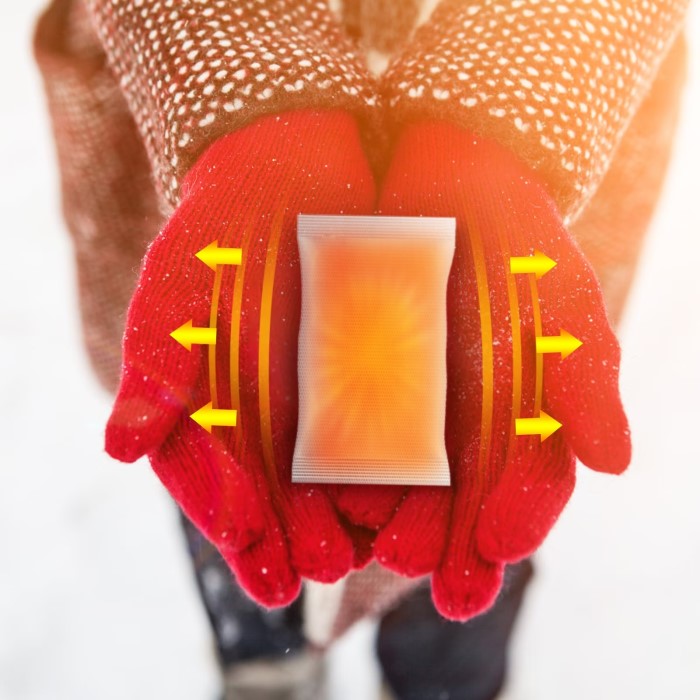
In disposable hand warmers, heat is generated through a chemical reaction. The iron powder oxidizes when exposed to oxygen, resulting in a steady and gradual release of warmth. This process ensures that you can enjoy continuous heat throughout your outdoor activities.
2. Phase Change
Reusable gel hand warmers operate on the principle of phase change. As the sodium acetate crystallizes, it releases energy in the form of heat. This allows for controlled warmth while being reusable, making it environmentally friendly and cost-effective in the long run.
3. Electric Conduction
For electric hand warmers, heat is produced by electric resistance. When electricity flows through the heating element, it converts electrical energy into thermal energy. This mechanism allows for quick heating times and adjustable temperatures.
4. Heat Retention
1. Functionality of Microwaveable Hand Warmers
- Heat Retention Mechanism: Microwaveable hand warmers operate based on the principle of heat retention. They are designed to store and gradually release heat, making them effective for providing warmth over an extended period.
- Material Composition: These hand warmers are typically filled with materials such as rice, dried beans, or gel. Each of these materials has unique properties that enhance their ability to retain heat.
2. Filling Materials
- Rice:
- Rice is a commonly used filler due to its ability to absorb and hold warmth effectively.
- It is often inexpensive and easily accessible, making rice-filled warmers a popular choice among consumers.
- Dried Beans:
- Similar to rice, dried beans can also retain heat when heated in the microwave.
- They provide a slightly different texture and can conform to the shape of your hands for added comfort.
- Gel:
- Gel-filled warmers contain a supersaturated solution that becomes gel-like when heated.
- This option can provide a consistent and even warmth, as the gel helps maintain the heat for longer durations.
3. Heating Process
- Microwave Heating: To activate microwaveable hand warmers, you must place them in the microwave for a specified duration. This heats the filling, allowing it to store warmth.
- Recommended Heating Time:
- Typically, the time needed to heat the warmer ranges from 30 seconds to a few minutes, depending on the type and size of the warmer.
- It’s crucial to follow the manufacturer’s instructions for heating time to prevent overheating or damaging the warmer.
4. Gradual Heat Release
- Sustained Warmth: After being heated, microwaveable hand warmers gradually release the retained warmth, providing a soothing experience. This sustained heat can offer comfort, especially during colder days.
- Duration of Use: The heat from these warmers can last anywhere from 20 minutes to several hours, making them suitable for various activities—whether you’re working at a desk, watching a movie, or enjoying outdoor events.
5. Versatility and Applications
- Use Cases: Microwaveable hand warmers are versatile, providing relief for cold hands while also serving other purposes, such as soothing sore muscles or providing warmth while lounging.
- Easy to Use: Their ease of use makes them a popular choice for families. Simply heat, apply, and enjoy the comfort they provide.
6. Care Instructions
- Maintenance: Proper care ensures the longevity of microwaveable hand warmers. Always check for signs of wear and tear, and follow washing instructions if applicable.
- Storage: It is essential to store them in a cool, dry place when not in use. Avoid exposure to moisture, which could affect their functionality.
Safety Considerations for Hand Warmers
What is inside a hand warmer? While hand warmers are generally safe, it’s crucial to keep the following considerations in mind:
1. Follow Instructions
Always adhere to the manufacturer’s instructions when using any type of hand warmer. Misuse can result in accidents or injuries, particularly with electric or microwaveable warmers.
2. Monitor Temperature
Especially with electric and microwaveable options, it’s vital to ensure that they do not overheat. Monitoring the heat level helps prevent burns or discomfort.
3. Avoid Direct Contact
For chemical-based warmers, avoid direct contact with materials inside in case of leakage. Should a warmer rupture, follow safety protocols for proper handling and disposal.
4. Resetting Reusable Models
When resetting reusable hand warmers, ensure that they are fully submerged during boiling to avoid overheating.
How to Choose the Right Hand Warmer
What is inside a hand warmer? Choosing the best hand warmer for your needs involves considering various factors. Here are some essential tips:
1. Duration of Heat
Consider how long you’ll need warmth. Disposable warmers work well for shorter outings, while rechargeable or reusable options are better suited for longer periods of use.
2. Portability
If you want a hand warmer to carry during activities, opt for lightweight and compact designs. Electric models with built-in charging capabilities can be especially convenient.
3. Heat Intensity
Choose hand warmers that provide adjustable heat levels if you prefer customizable warmth. Certain models allow you to select the intensity for ultimate comfort.
4. Functionality
Evaluate how you plan to use your hand warmer. If you need portability for outdoor sporting events, a small and easy-to-carry warmer may be ideal. For indoor use, a stationary electric warmer may suffice.
Frequently Asked Questions
- What is in the inside of a hand warmer?
Hand warmers contain different materials depending on their type. Disposable warmers typically include iron powder, salt, and activated charcoal. Reusable gel warmers hold a supersaturated sodium acetate solution. - Is it safe to touch the inside of a hand warmer?
It is not safe to touch the inner contents of hand warmers. If the device malfunctions or leaks, it’s essential to follow safety guidelines for proper handling. - What liquid is in a hand warmer?
Gel hand warmers generally contain a liquid solution of sodium acetate, which crystallizes to release heat. Other types may use various materials like water or rice. - What do you fill hand warmers with?
You can fill hand warmers with different materials based on their type. Microwavable options might use rice or dried beans, while gel hand warmers contain sodium acetate.
Conclusion
In summary, understanding what is inside a hand warmer is essential for selecting the right type for your needs. Whether you opt for disposable, reusable, electric, or microwaveable hand warmers, each type offers unique benefits. Knowing how each type works will help you make informed choices.
Investing in a hand warmer can significantly enhance your comfort during cold weather, ensuring you can enjoy outdoor activities without the discomfort of chilly hands. Stay warm and prepared this winter by choosing the hand warmer that best aligns with your lifestyle and needs!