
Introduction: The Importance of Airbag Deployment Speed
Airbags are pivotal in vehicle safety, designed to protect occupants during crashes. One of the most critical aspects of airbag performance is the speed of deployment. The question many drivers ponder is, “How fast does an airbag deploy?” Understanding this timing is essential for appreciating how airbags can reduce injuries during accidents. In this article, we will delve into the mechanics of airbag deployment, the technology behind it, and key facts that highlight why this information is vital for your safety.
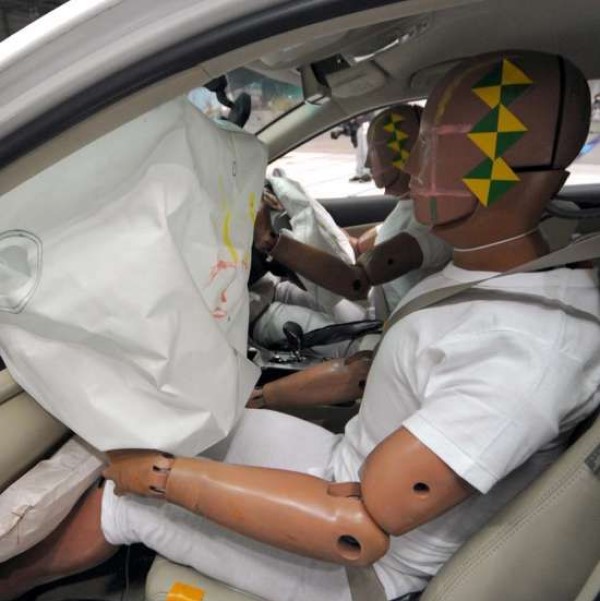
Understanding Airbag Mechanics
The Purpose of Airbags
Airbags serve as supplemental restraint systems (SRS) that enhance the overall safety of a vehicle. They are designed to deploy during a collision, providing an additional layer of protection to passengers beyond seat belts.
- Deployment Process: When a vehicle experiences a sudden deceleration or collision, the airbag system activates through a series of sensors. These sensors detect changes in speed and impact force.
- Inflation Mechanism: Upon activation, a chemical reaction occurs within a gas generator, rapidly inflating the airbag. This rapid deployment is crucial for mitigating the impact on the occupant’s body during a crash.
How Do Airbags Work?
- Sensor Technology: Modern airbag systems use various sensors, including accelerometers and gyroscopes, to monitor the vehicle’s motion. These sensors ensure that airbags deploy at the right moment.
- Types of Airbags: Different types of airbags serve specific purposes. Frontal airbags protect the driver and front passenger, while side airbags shield occupants from lateral impacts. Some vehicles even feature curtain airbags that deploy from the roof to protect against side collisions.
How Fast Does an Airbag Deploy?
Quick Deployment Timing
To directly address the question, how fast does an airbag deploy? The average deployment speed is astonishingly quick—most airbags inflate within 20 to 30 milliseconds after detecting a collision. This rapid response is crucial in providing effective protection.
- Milliseconds Matter: The speed of deployment is vital. In a high-impact collision, even a slight delay can increase the likelihood of serious injuries. The faster the airbag is deployed, the better it can cushion the occupant’s body.

Factors Influencing Deployment Speed
Several factors can impact the speed at which an airbag deploys:
Severity of Collision
- Impact and Airbag Response: The severity of a collision directly influences how quickly airbags deploy. In more severe accidents, such as high-impact crashes, the sensors are designed to recognize the force of impact almost instantaneously.
- Rapid Deployment for Protection: During severe collisions, the potential for serious injuries increases significantly. Therefore, airbags must deploy faster to provide timely protection. Quick deployment is crucial to cushion the occupant’s body and minimize injury.
- Physiological Factors: The body is subject to greater forces during high-impact situations, making it essential for airbags to activate rapidly. This rapid response helps to absorb shock and reduce the risk of traumatic injuries, such as those to the head, neck, and torso.
- Crash Test Data: Automotive safety tests demonstrate that in severe crashes, the airbags react within shorter time frames, enhancing their overall effectiveness. Data collected from crash tests allow engineers to fine-tune deployment mechanisms for various collision scenarios.
Vehicle Speed
- Impact Speed Measurement: The speed at which a vehicle is traveling at the moment of impact plays a critical role in deploying airbags. Typically, quicker speeds may contribute to more immediate deployment responses.
- Sensor Activation: Airbag systems utilize accelerometers and other sensors that measure changes in speed. Higher speeds usually translate into quicker activation of these sensors, thereby prompting the airbag deployment process.
- Correlation Between Speed and Force: Higher speeds result in greater forces during a crash. As the force of impact increases, the sensors are more likely to trigger airbag inflation. This correlation emphasizes the importance of vehicle speed in determining airbag responsiveness.
- Safe Driving Practices: Understanding the relationship between speed and airbag deployment also highlights the importance of safe driving practices. Adhering to speed limits and driving cautiously in high-traffic situations can reduce the risk of severe collisions and the necessity for rapid airbag deployment.

Type of Collision
- Nature of the Impact: Different types of collisions affect how airbags function and deploy. For instance, frontal, side, and rear-end impacts each have unique characteristics that influence airbag timing and deployment strategies.
- Frontal Collisions: In frontal crashes, which are the most common type of serious accidents, airbags are designed to deploy rapidly in response to the significant forces encountered. These collisions often trigger front airbags as well as knee airbags to protect the driver and front passenger.
- Side Impacts: Side collisions tend to require rapid deployment of side airbags and curtain airbags. These airbags protect against lateral impacts that can lead to severe injuries. In these cases, the sensor activation may be timed differently compared to frontal collisions.
- Rear-End Collisions: While rear-end impacts generally involve lower speeds, side airbags may still deploy depending on the vehicle’s design and the severity of the impact. Understanding the type of collision allows manufacturers to tailor airbag deployment systems appropriately for increased safety.
- Airbag Configuration: Each airbag is configured to engage at different stages of a crash, which is determined by the nature of the collision. Engineers meticulously design these configurations to ensure that airbags deploy at the right time and with the right force to maximize the protection of vehicle occupants.
The Role of Airbags in Injury Prevention
Cushioning During Impact
Understanding how quickly airbags deploy is crucial for recognizing their role in injury prevention. Airbags are designed to cushion the impact and reduce the likelihood of severe injuries to the head, chest, and other vital areas of the body.
- Impact Absorption: When the airbag inflates, it creates a protective barrier. This barrier absorbs and distributes forces across a wider area of the occupant’s body, minimizing stress on any single point.
- Protection for Vulnerable Areas: Airbags are particularly efficient at protecting sensitive areas like the head and neck. They reduce the risk of traumatic brain injuries and whiplash that can occur during abrupt stops.
Real-World Implications of Airbag Deployment Speed
Airbag Deployment in High-Speed Accidents
Many drivers wonder about the effectiveness of airbags at high speeds. Specifically, does an airbag deploy at 200 mph?
- Deployment Threshold: Airbags are engineered to deploy under stringent conditions, but deployment at extremely high speeds, such as 200 mph, can be complicated. The deployment depends on various factors, including the severity of the accident and the safety features of the vehicle.
- High-Speed Collisions: In many cases, collisions at high speeds do trigger airbag deployment. However, the effectiveness of the airbag is also influenced by the construction of the vehicle and the type of crash.
At What Speed Does an Airbag Hit You?
- Impact Timing: Once the airbag deploys, it inflates quickly, potentially impacting the occupant’s body. The actual force felt by the occupant can vary based on deployment timing and the speed of impact.
- Protection and Injury: While airbags greatly decrease the risk of severe injuries, the deployment can still cause minor bruising or abrasions. The design is made to cushion the body, but there can be noticeable pressure from the airbag’s force upon immediate deployment.
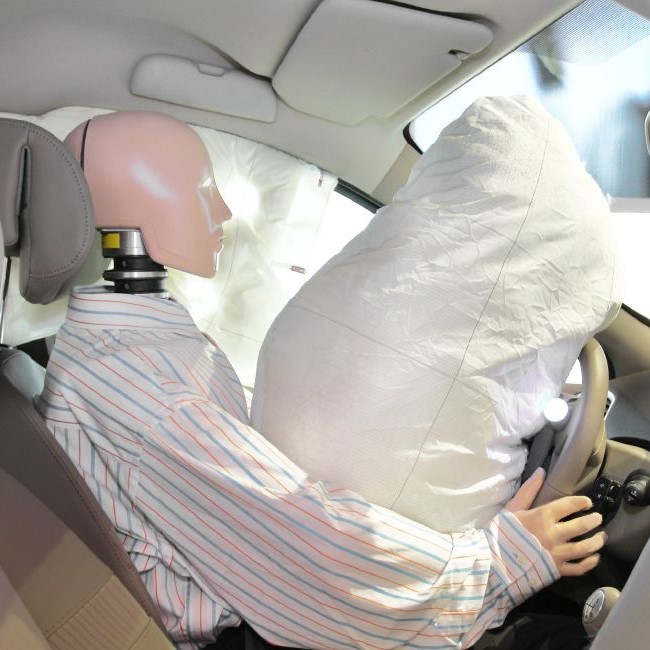
Understanding the 5-10-15-20 Airbag Rule
For safe airbag deployment and optimized protection, understanding the 5-10-15-20 airbag rule is essential:
- 5 Feet: The driver’s body should be positioned at least 5 feet from the steering wheel. This distance helps prevent injury during deployment.
- 10 Feet: Passengers, particularly those sitting in the front seat, should remain at least 10 feet from the airbag to reduce the chance of injury from sudden inflation.
- 15-20 Feet: Guidelines recommend that small children should be seated in the back, ideally at least 15-20 feet away from side airbags, to maximize safety.
Can Airbags Deploy at 30 mph?
- Speed and Deployment: Yes, airbags can deploy at speeds lower than 30 mph. Factors such as the situation’s impact dynamics and the nature of the collision will determine deployment.
- Practical Application: The design of modern airbags ensures that they can inflate effectively across a range of speeds. Therefore, while speeds may influence deployment, they don’t solely dictate it.
Conclusion: The Critical Role of Speed in Airbag Deployment
Understanding how fast does an airbag deploy is vital for every driver. The rapid deployment of airbags—within 20 to 30 milliseconds—allows them to effectively cushion the impact and prevent serious injuries during collisions.
As advancements in automotive technology continue to enhance safety systems, embracing these innovations is essential for protecting oneself on the road. By grasping the importance of airbag deployment speed and taking preventive measures, drivers can significantly improve their safety while riding. Always remember that knowledge is power; being informed about how airbags work can help you make safer driving choices today and in the future. Prioritize your safety and the safety of others by understanding and utilizing the protection that airbags provide!