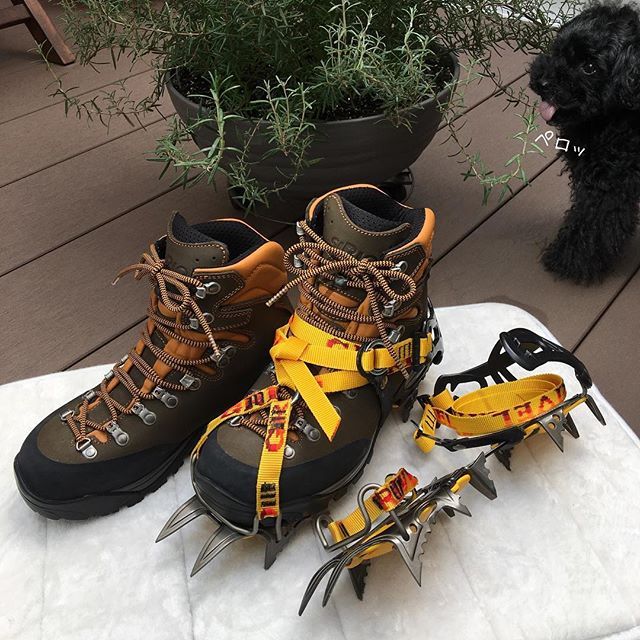
Introduction: The Importance of Crampons for Hiking
As outdoor enthusiasts prepare for their hiking adventures, crampons for hiking emerge as essential gear for anyone planning to traverse snowy trails or icy terrains. Crampons enhance traction and stability, making them crucial for ensuring safety during winter hiking expeditions. When venturing into challenging environments, having the right equipment can mean the difference between an exhilarating experience and a dangerous situation. In this article, we will explore the various types of crampons available, their key features, and tips for selecting the best pair suited to your needs.
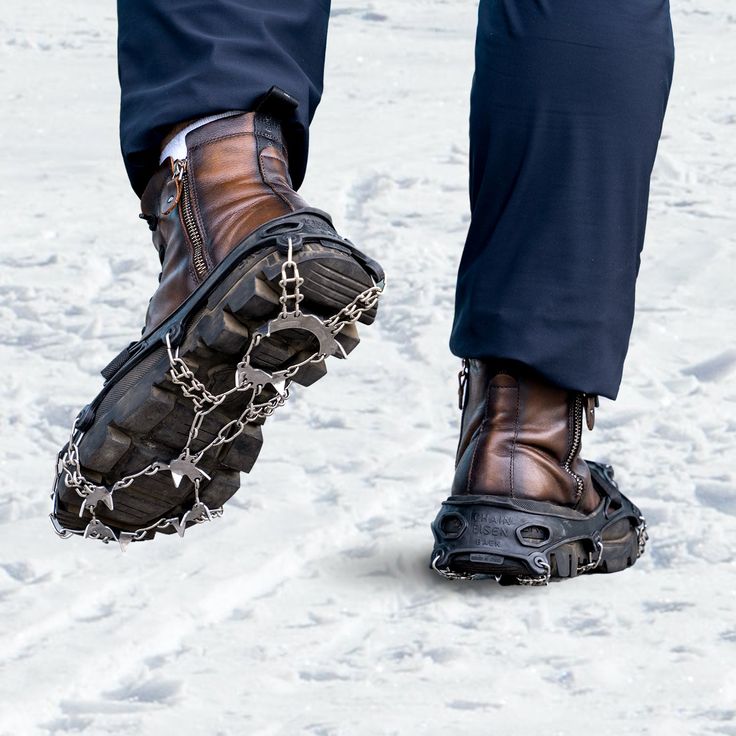
We will also delve into important safety considerations and best practices for using crampons, equipping you with the knowledge needed for a secure and enjoyable trekking experience this year.
Understanding Crampons: What They Are and How They Work
What Are Crampons?
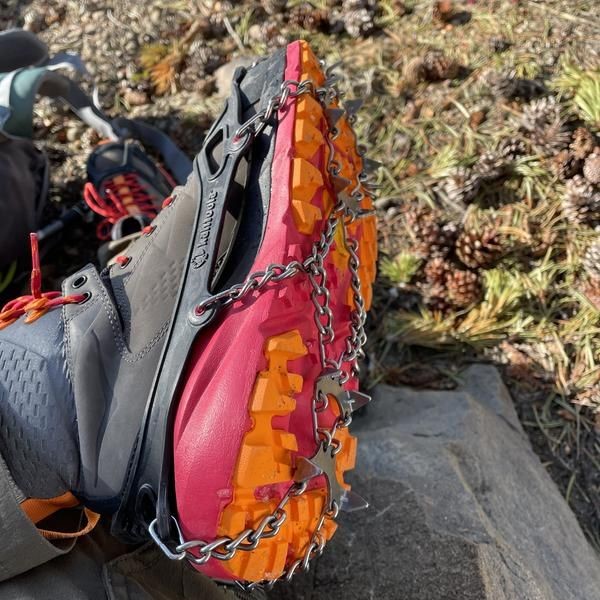
Crampons are devices attached to footwear to improve traction on snow and ice. They consist of a frame with spikes that dig into icy surfaces, providing enhanced grip and stability.
- Types of Crampons:
- Steel Crampons: These are the most common type used for serious mountaineering and ice climbing. Steel offers durability and is suitable for technical climbing on hard ice.
- Aluminum Crampons: Lightweight and often used for casual hiking or ski mountaineering, aluminum crampons are effective on softer snow but may wear out faster on hard ice.
- Hybrid Crampons: A combination of plastic and metal, hybrid crampons provide versatility for various conditions. They often feature a lighter weight profile, making them suitable for long treks.
- Components:
- Frame: The body of the crampon holds the spikes and connects it to the boot.
- Points (Spikes): These are the essential gripping components that dig into the ground. Types include front points for vertical climbing and horizontal points for traversing.
- Binding Systems: Crampons attach to boots using various binding systems, including strap-on, step-in, and hybrid designs. Choosing the appropriate binding method is crucial for comfort and security on the trail.
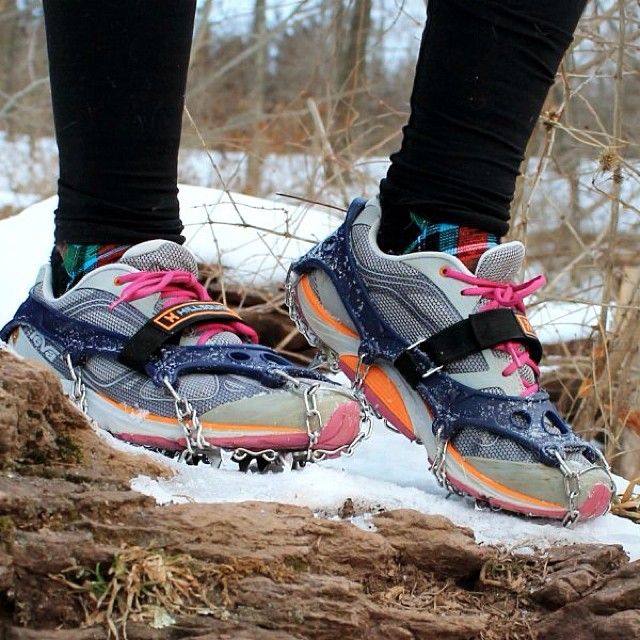
How Crampons Work
Crampons enhance your hiking safety by effectively gripping slippery surfaces. They work by using their pointed spikes to penetrate ice or hard-packed snow, significantly reducing the risk of slips and falls.
Traction
Traction is one of the primary functions of a crampon, making it an essential tool for climbing and navigating icy terrain. Here’s how it works:
1. Creation of Footholds
- Understanding Spikes: The spikes on a crampon are specifically designed to penetrate ice or hard-packed snow, creating a stable foothold. This penetration is crucial for maintaining grip while climbing or walking.
- Climbing Steep Slopes: When climbing steep inclines, the spikes dig into the surface, significantly reducing the risk of slipping. This design allows the wearer to ascend confidently without constantly worrying about losing their footing.
2. Confidence in Navigation
- Navigating Icy Patches: Crampons are particularly beneficial for traversing icy patches, which can be hazardous. The spikes provide a reliable grip, allowing climbers and hikers to move safely across treacherous terrain.
- Enhanced Safety: Knowing that the crampons will offer dependable traction gives users the confidence to tackle challenging slopes and icy routes that they might otherwise avoid.
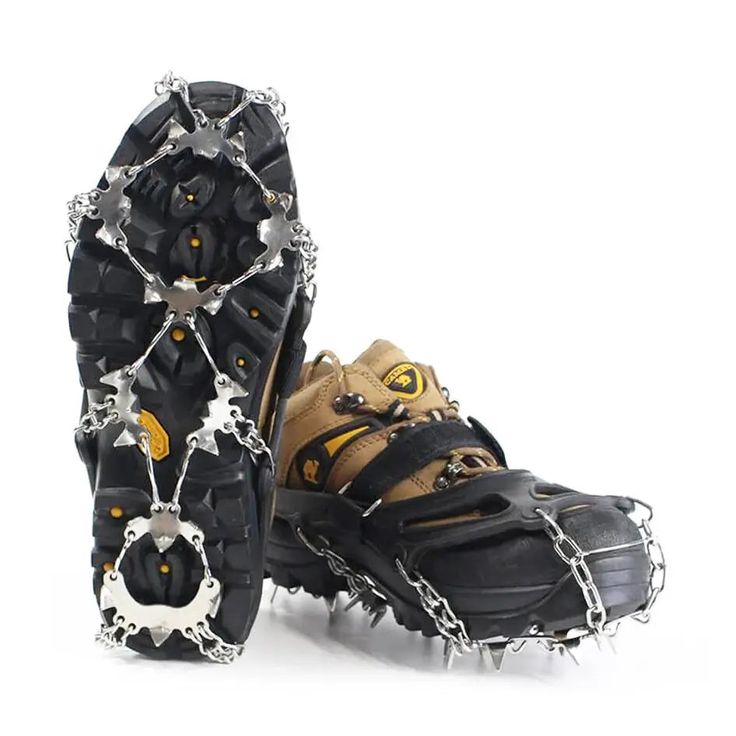
Weight Distribution
Proper weight distribution is another critical benefit of using crampons, contributing to overall stability. Here’s what this involves:
1. Evenly Distributed Weight
- Importance of Distribution: Crampons are designed to spread the wearer’s weight evenly across the spikes. This distribution prevents excessive pressure on any single point, reducing the likelihood of slipping or losing grip.
- Balance and Stability: When weight is evenly spread, it helps maintain balance, especially when navigating uneven or steep surfaces. This is crucial for maintaining stability during climbs or walks on icy terrain.
2. Enhanced Stability
- Promoting Confident Movement: With evenly distributed weight and secure anchoring from the spikes, users can move with more assurance. This stability is essential when making intricate movements or adjusting positions on the slope.
- Reduces Fatigue: Proper weight distribution can also minimize fatigue over extended periods of use. By alleviating force on certain areas of the foot, climbers can maintain their energy during long hikes or climbs.
Choosing the Right Crampons for Hiking
Key Features to Consider
When selecting crampons for hiking, several key features can impact performance and comfort. Understanding these aspects ensures you make an informed choice tailored to your needs.
- Length and Number of Points:
- Consider the terrain you will encounter. More points typically provide better grip but can add weight.
- For general hiking, a configuration of 10-12 points is often adequate, while technical climbs may require crampons with 12+ points.
- Compatibility with Footwear:
- Assess the compatibility of crampons with your hiking boots. Ensure that the crampons fit securely with your footwear, allowing for flexibility while maintaining grip.
- Look for crampons with adjustable bindings or systems that accommodate various boot types.
- Weight:
- Weight is a significant factor, particularly for long-distance hikes. Lighter crampons are easier to carry but may compromise on sturdiness.
- Consider your hiking style; if comfort and mobility are paramount, opt for lighter materials, while technical climbers may prioritize stability over weight.
Safety Considerations for Using Crampons
Best Practices
- Know When to Use Crampons:
- Understanding the terrain is crucial. Use crampons when facing slippery or icy surfaces, and avoid using them on rocky or dry trails.
- Proper usage also involves ensuring that crampons are adequately fitted to your boots at all times, safeguarding against accidental slips.
- Practice Walking in Crampons:
- Before tackling challenging trails, practice walking on flat surfaces while wearing your crampons to become accustomed to their feel and weight.
- Focus on taking controlled steps to avoid losing your balance while hiking on uneven ground.
- Removing Crampons:
- If the terrain shifts from snowy or icy to rocky or dry, promptly remove your crampons. They can damage the ground and increase the risk of slips when not needed.
Maintaining Your Crampons
Caring for Your Gear
- Cleaning:
- After a hike, it’s essential to clean your crampons to remove mud, snow, or ice that can damage them. Use a soft brush or cloth to wipe down the spikes and frame.
- Storage:
- Store your crampons in a cool, dry place. Avoid leaving them in damp conditions to prevent rust and deterioration, particularly for steel models.
- Regular Inspection:
- Periodically check the condition of your crampons for wear and tear. Pay attention to the spikes and binding mechanisms, as these components are crucial for safety during your hikes.
Frequently Asked Questions
Are hiking spikes better than crampons?
Hiking spikes and crampons serve different purposes. Spikes are ideal for maintaining grip on gentle slopes and icy trails, while crampons are designed for more technical climbing on steeper and icier surfaces. The choice depends on the terrain and the level of difficulty.
When not to use crampons?
Avoid using crampons on rocky or dry trails, where they could slip and potentially cause more harm than good, or where they may damage the ground.
What are the best crampons for hiking?
The best crampons depend on your specific needs and hiking style. Popular options include:
Black Diamond Sabretooth
- Durability: The Black Diamond Sabretooth is renowned for its robust construction, designed to withstand the toughest conditions. Made from high-quality materials, it ensures longevity, making it a preferred choice for serious mountaineering and ice climbing.
- Proven Performance: This model has been extensively tested in various environments and is highly regarded for its effectiveness on ice. The spikes penetrate ice surfaces deeply, providing reliable grip and stability, which is crucial for safety during steep ascents.
- Design Features:
- Number of Points: The Sabretooth typically features 12 points, enhancing traction on icy surfaces. The front points are designed for aggressive gripping, perfect for technical climbs.
- Binding System: It offers versatile binding options, accommodating different types of footwear. This adaptability allows users to find the right fit for various boot styles, enhancing comfort and security.
Grivel G12
- Versatility: The Grivel G12 is celebrated for its adaptability across multiple conditions, making it a popular choice among hikers and climbers. This versatility allows it to perform well in both mixed terrain and icy environments.
- Lightweight Design: While built for strength, the G12 is also relatively lightweight, making it easier to carry on long treks. Hikers favor it for reducing overall gear weight without sacrificing performance.
- Design Features:
- Flexible Configuration: The G12 offers the option to switch between different points, allowing users to customize their setup based on specific needs. This feature is particularly advantageous for those who frequently encounter varying terrains.
- User-Friendly Bindings: Its user-friendly binding system ensures that the crampons can be easily adjusted and fitted to different footwear, creating a snug and secure fit.
Petzel Vasak
- Aggressive Traction: The Petzel Vasak is designed specifically for mixed terrain, providing exceptional grip on both ice and rock. The aggressive spike design enhances stability and confidence while climbing, especially on steep slopes.
- Designed for Mixed Use: This model is well-suited for those who engage in various outdoor activities, including ice climbing, glacier travel, and rock scrambling. Its design caters to a wide range of climbing challenges, making it a versatile tool for adventurers.
- Design Features:
- Point Configuration: The Vasak typically features a combination of points that allow for effective engagement with different surfaces. The front points provide excellent penetration on ice while lateral spikes offer stability on rock.
- Binding Options: Featuring a secure and adjustable binding system, the Vasak accommodates various types of boots, ensuring a comfortable and reliable fit for the climber.
Conclusion: Essential Gear for Safe Trekking
In conclusion, crampons for hiking are essential gear that enhances safety and performance during winter trekking adventures. Understanding the different types of crampons, their key features, and how to use them effectively ensures that you are well-prepared for snowy excursions. Embrace best practices for maintaining your gear, and always be conscious of the conditions you’ll face on the trail. With the right knowledge and preparations, you will navigate icy terrains confidently and enjoy the beauty of winter hiking safely. Equip yourself with the best crampons and make unforgettable memories in the great outdoors!