Understanding the Anatomy of a Northern Pike
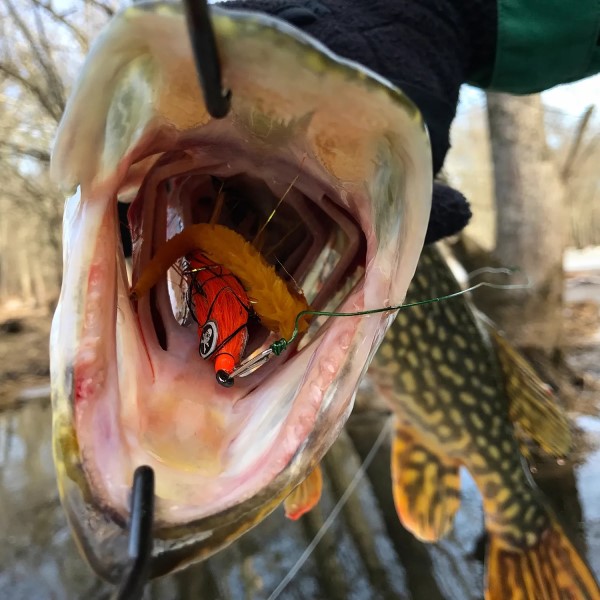
The Northern Pike is a fearsome freshwater predator. It is renowned for its aggressive hunting style. Consequently, it is a prized catch for many anglers. However, handling this fish requires extreme caution. The primary reason for this caution lies in its mouth. A pike’s mouth is filled with hundreds of teeth. These teeth are incredibly sharp. Furthermore, they curve backward. This design ensures that prey cannot escape. Unfortunately, this same design makes a pike bite injury particularly nasty.
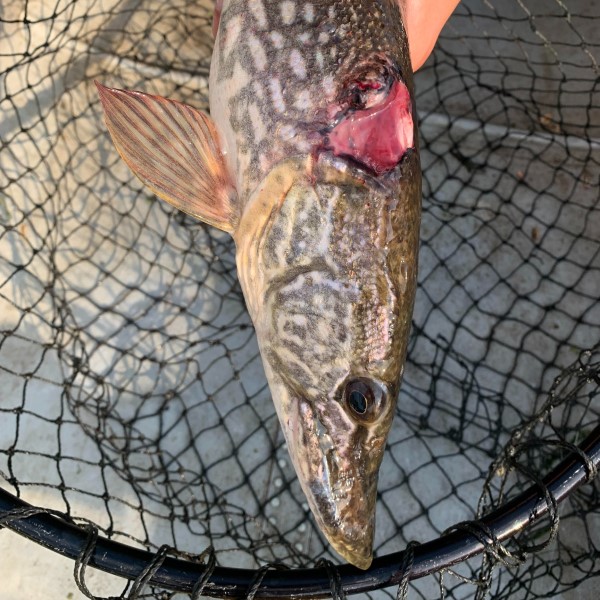
The teeth can puncture skin easily. Additionally, they can cause deep lacerations if the fish thrashes. Many beginners underestimate the danger. They see a small fish and assume it is harmless. This is a mistake. Even a small pike can inflict significant damage. Therefore, understanding the anatomy is the first step in prevention. You must respect the fish at all times. The teeth are not just on the jaw. They cover the roof of the mouth and the tongue. Consequently, there is no safe place to grab inside the mouth.
Immediate Actions After a Bite Occurs
Accidents happen quickly on the water. One moment you are unhooking a fish, and the next, you feel a sharp pain. If you suffer a bite, you must act immediately. First, get the fish away from you safely. Do not try to rip your hand out. This will likely tear the skin further. Instead, try to relax your hand. Wait for the fish to relax its jaw. Then, carefully remove your hand. Once free, assess the situation. You need to stop the bleeding. Apply direct pressure to the wound immediately. Use a clean cloth or gauze.
Hold it firmly for several minutes. Do not check it too often. You need the blood to clot. Furthermore, elevate the injured hand above your heart. This helps reduce blood flow to the area. If you are on a boat, ensure you are stable. You do not want to fall into the water. Panic is your enemy in this situation. Stay calm and focused. Your quick reaction can minimize the damage significantly.
Cleaning and Disinfecting the Wound
Pike live in water that is full of bacteria. Therefore, a bite from a pike is considered a “dirty” wound. Cleaning it is the most critical step to prevent infection. First, rinse the wound thoroughly. You should use clean, fresh water if available. If not, tap water is better than nothing. Flush out any debris or slime. This may sting, but it is necessary. Next, you need to use soap. Wash the skin around the wound gently. Avoid getting soap deep inside the cut. After rinsing, apply an antiseptic solution.
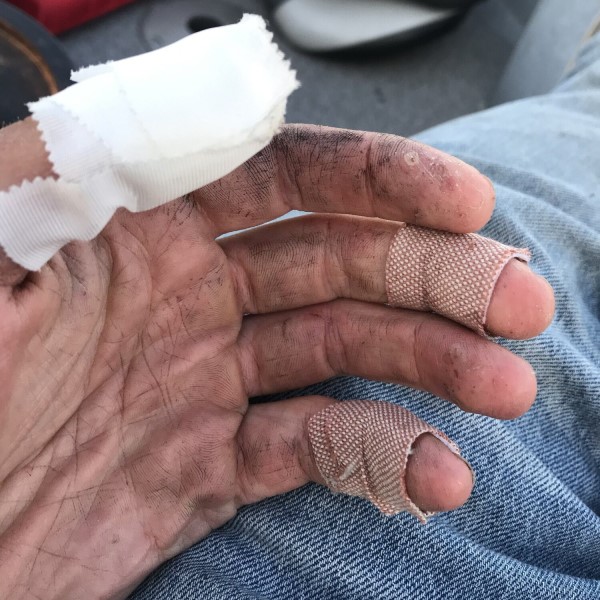
Iodine or hydrogen peroxide are common choices. However, some modern guidelines suggest avoiding peroxide for deep punctures. It can damage healthy tissue. Instead, an antibiotic ointment is often better. Apply a generous amount to the wound area. This helps kill any remaining bacteria. Finally, cover the wound with a sterile bandage. Keep it covered to prevent dirt from entering. You should clean the wound daily. Watch for any signs of redness or swelling.
Recognizing Signs of Infection
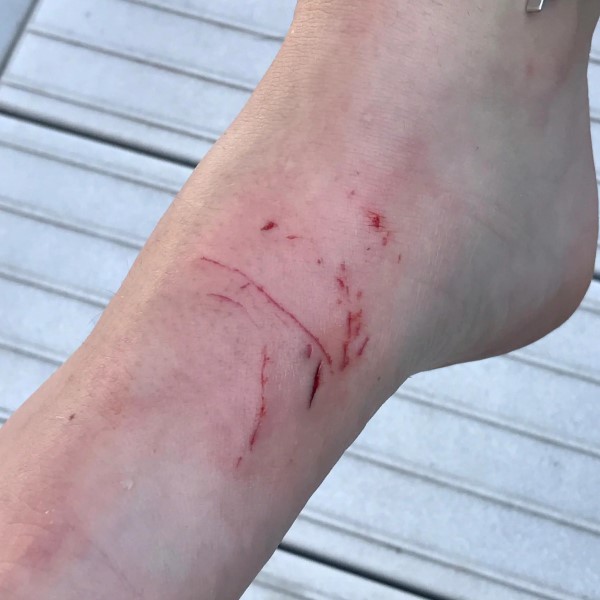
Infection is the biggest risk following a fish bite. The aquatic environment harbors many pathogens. Consequently, you must be vigilant in the days following the pike bite injury. There are several key signs to watch for. First, look for redness spreading from the wound. This is a classic sign of infection. Additionally, watch for swelling and heat. The area might feel warm to the touch. Pain is another indicator. Some pain is normal initially. However, if the pain increases after the first day, be concerned.
You should also check for discharge. Pus or fluid oozing from the wound indicates a problem. Furthermore, systemic symptoms can occur. You might develop a fever. Chills and fatigue are also possible. These are signs that the infection is spreading to your bloodstream. This is a medical emergency. Do not ignore these symptoms. If you notice any of them, seek medical help immediately. Early treatment with antibiotics is crucial. It can prevent serious complications.
Medical Treatments and Professional Care
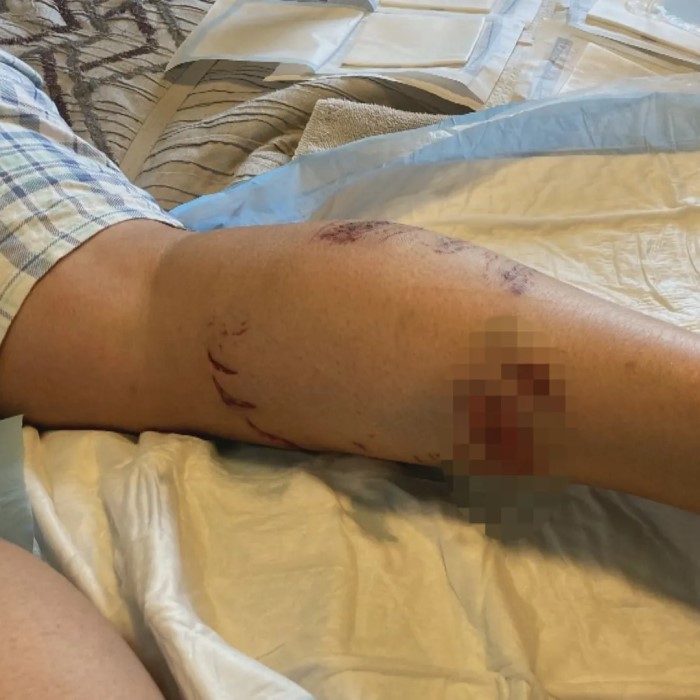
Sometimes, home first aid is not enough. You may need professional medical attention. Deep lacerations often require stitches. However, puncture wounds are usually left open to drain. A doctor will assess the depth of the pike bite injury. They will also check for damage to tendons or nerves. This is particularly important for hand injuries. The hand has many delicate structures. A deep bite can sever a tendon. Consequently, you might lose movement in a finger.
Furthermore, doctors will almost always prescribe antibiotics. This is a preventative measure. They want to stop infection before it starts. You may also need a tetanus shot. Tetanus is a serious bacterial disease. It affects the nervous system. If you have not had a booster in five years, get one. Additionally, the doctor might take an X-ray. This checks for broken teeth left in the wound. Pike teeth are brittle. They can break off inside your flesh. Leaving a tooth behind can lead to a severe infection. Therefore, professional evaluation is always a good idea for deep bites.
Essential Tools for Safe Fish Handling
Prevention is always better than cure. Every angler should carry the right tools. These tools minimize the risk of a bite. First, use long-nose pliers. These allow you to reach the hook without putting your hand near the teeth. Additionally, consider using a hook remover tool. There are many “fish flipper” or “gripper” tools on the market. These hold the fish’s jaw securely. You never have to touch the mouth. Furthermore, protective gloves are a great investment. There are gloves specifically designed for fishing.
They are made from cut-resistant materials. Kevlar or Dyneema gloves are excellent choices. They protect your fingers from sharp teeth. However, they are not completely puncture-proof. You still need to be careful. A landing net is also essential. It allows you to bring the fish into the boat safely. You can then unhook it while it is still in the net. This keeps your hands clear. Investing in these tools shows you are a responsible angler. It ensures you can enjoy your hobby safely.
Best Practices for Handling Pike
Knowing how to handle a pike is a skill. It protects both you and the fish. First, never “lip” a pike like you would a bass. Their teeth are too large. You will get bitten. Instead, use a specific grip. The most common method is the “gill plate” grip. You slide your hand under the gill plate. You must be careful not to touch the gills themselves. The gills are the fish’s breathing organs. Damage to them can kill the fish. Slide your fingers along the inside of the plate until you reach the jaw. Then, grip the jaw from the inside.
Your fingers will be protected by the bone. However, this technique requires practice. If you are unsure, simply hold the fish from behind the head. Squeeze the body gently but firmly. Support the belly with your other hand. Never hold a pike vertically by the jaw. This can injure their spine. Always hold them horizontally. This supports their weight. If the fish thrashes, do not fight it. Go with the motion. Let the fish calm down before trying to regain control.
Long-Term Care and Recovery
Healing from a bite takes time. The severity of the wound dictates the recovery period. For minor cuts, healing may take a week. However, deep puncture wounds can take longer. You must keep the wound clean and dry. Change the bandage daily. Apply fresh antibiotic ointment each time. Furthermore, monitor the range of motion in your hand. Stiffness is common after a pike bite injury. Gentle exercises can help. However, do not force movement. If you have stitches, follow your doctor’s care instructions.
You may need to keep the area dry for a few days. Avoid submerging the wound in water. This includes swimming and washing dishes. Water can introduce new bacteria. Additionally, pay attention to your diet. Proper nutrition helps wound healing. Eat foods rich in protein and vitamins. Vitamin C and Zinc are particularly beneficial. They promote tissue repair. If you experience any lasting numbness, consult a doctor. Nerve damage can take months to heal. Sometimes, physical therapy is necessary. Be patient with your body. It is working hard to repair the damage.
FAQ: Your Questions Answered
Here are answers to the most frequently asked questions about pike bites.
What to do if you get bit by a pike?
You should remove your hand carefully to avoid further tearing. Then, apply direct pressure to stop the bleeding. Clean the wound thoroughly with soap and water. Apply an antibiotic ointment and cover it with a bandage. Finally, watch for signs of infection like redness or swelling.
How strong is a pike bite?
A pike’s bite is not crushingly strong like a mammal’s. However, it is designed to hold slippery prey. The teeth are needle-sharp. Therefore, the bite can easily puncture skin and cause deep cuts. The danger lies in the number of teeth and the bacteria in the water.
Has a pike ever attacked a human?
Pike are generally not aggressive towards humans. They are ambush predators that hunt smaller fish. However, they may bite in self-defense. This usually happens when an angler tries to unhook them. There are rare stories of pike nipping at toes in murky water. But actual attacks are extremely rare.
What happens if a small fish bites you?
A bite from a small fish is usually less severe. However, it can still break the skin. You should still clean the wound properly. Even small fish have teeth and carry bacteria. Therefore, treat any bite with care to prevent infection. It is better to be safe than sorry.
Conclusion
Fishing for Northern Pike is an exciting experience. However, it comes with inherent risks. A pike bite injury can be painful and dangerous if not treated correctly. Therefore, every angler must be prepared. You should understand the anatomy of the fish. Furthermore, you must know the proper first aid steps. Immediate cleaning and disinfection are vital. You must also recognize the signs of infection. Prevention is always the best strategy. Use the right tools and handling techniques. This protects both you and the fish. By following these essential tips, you can ensure your fishing trips remain safe and enjoyable. Always respect the power of these magnificent predators. Stay safe on the water.