Understanding the Vulnerabilities of Sliding Glass Doors
Sliding glass doors are a beautiful addition to any home. They let in natural light. They also provide easy access to outdoor spaces. However, they can be a major security weak point. Many homeowners do not realize this risk. Therefore, learning how to secure sliding doors is essential for safety. Burglars often target these entryways. They know the factory locks are often weak. Furthermore, the glass can be shattered. Consequently, you must assess your door’s current state. Do not wait for a break-in to happen. You need to act proactively. This article will guide you through the process. We will discuss hardware, technology, and maintenance. Thus, you can ensure your home remains a safe haven.
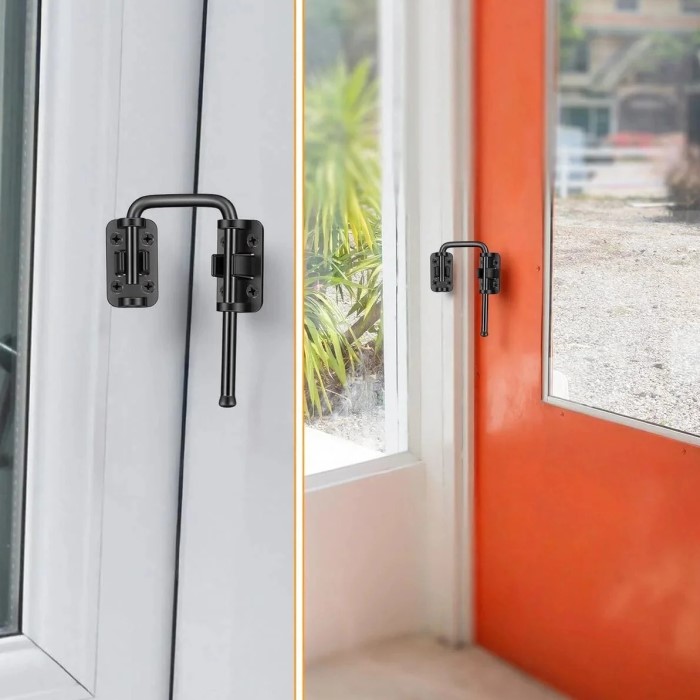
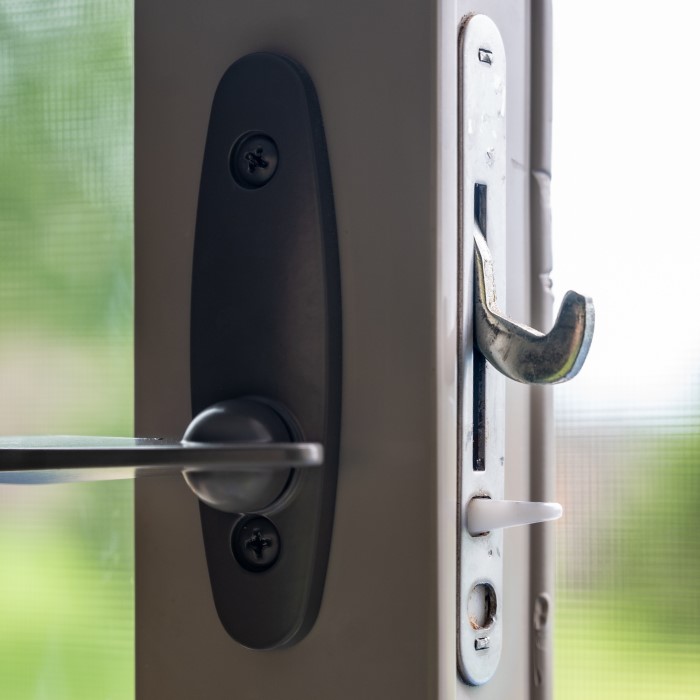
The design of these doors creates inherent issues. The sliding mechanism relies on wheels and tracks. This makes the door easy to lift out of the frame. If the lock is compromised, the door can be removed entirely. Additionally, the latch mechanism is often simple. It can be jimmied open with a credit card or a thin tool. Therefore, relying solely on the factory latch is unwise. Moreover, the large glass panels are vulnerable. They allow intruders to see inside. They also provide a way to break in quickly. Consequently, you must address these specific flaws. You need a multi-layered approach to security. A single solution is rarely enough. Instead, combine physical barriers with advanced locks.
Reinforcing the Door Frame and Tracks
How to secure sliding doors? The physical structure is your first line of defense. The frame holds the door in place. If the frame is weak, the lock does not matter. Therefore, start by inspecting the frame. Is it loose or warped? A compromised frame allows the door to be forced open. Consequently, you should reinforce the frame with longer screws. Replace the short screws provided by the manufacturer. Use 3-inch screws instead. These will anchor the frame into the wall studs. Thus, the door becomes much harder to kick or pry open. This is a simple yet effective upgrade.
Next, consider the tracks. Sliding doors move along metal tracks. These tracks can be a vulnerability. A burglar might try to lift the door off the tracks. This bypasses the lock entirely. Therefore, you need to prevent lifting. One method is to install anti-lift devices. These are small blocks or pins. They fit into the track above the door. Consequently, the door cannot be raised. You can also use a simple wooden dowel. Cut a piece of wood to fit the track. Place it at the bottom. This prevents the door from sliding. It acts as a physical barrier. Thus, even if the lock breaks, the door stays shut.
Additionally, check the condition of the rollers. If the rollers are worn out, the door may sit loosely in the frame. This creates play or movement. A loose door is easier to manipulate. Therefore, replace old rollers with new ones. Ensure they are adjusted correctly. A tight-fitting door is more secure. Furthermore, clean the tracks regularly. Dirt and debris can affect the alignment. Misalignment can cause gaps. These gaps make prying easier. Therefore, maintenance is part of security.
Upgrading Your Locking Mechanisms
How to secure sliding doors? Factory latches are often insufficient. They are usually made of cast metal or plastic. They can break under pressure. Therefore, upgrading the lock is a priority. There are several secondary locking options available. One popular choice is a deadbolt lock. You can install a surface-mounted deadbolt. This requires drilling into the frame. However, it provides immense strength. The bolt slides deep into the frame. Consequently, it cannot be jimmied like a latch. Thus, it offers robust protection. Another option is a keyed locking bolt. This functions similarly to a deadbolt. But it requires a key from the outside. This is useful for using the door as an entrance.
Another effective solution is a security pin. This is a metal pin that slides into a hole. The hole is drilled through the door and frame. When the pin is inserted, the door locks in place. It is very discreet. It is also very strong. Furthermore, it prevents the door from being lifted. Therefore, a security pin is a dual-purpose tool. It is also very affordable. You can install it yourself with basic tools. However, you must measure carefully. The alignment must be perfect. Otherwise, the pin will not fit. Thus, precision is key during installation.
Consider a “Charley bar” as well. This is a metal bar that swings down. It locks the door in the center. It distributes the force across the door. Consequently, it is harder to force open than a bottom dowel. It is also more convenient than picking up a stick. You simply flip it up to lock it. Therefore, it encourages consistent use. There are also track locks. These clamp onto the track itself. They prevent movement. They are adjustable and easy to install.
Strengthening the Glass for Extra Protection
How to secure sliding doors? The glass is the most fragile part. Standard sliding doors use tempered glass. Tempered glass is stronger than annealed glass. However, it can still be broken. A determined burglar will smash it. Then, they can reach in and unlock the door. Therefore, you must address this vulnerability. One solution is a security film. This is a heavy-duty adhesive film. You apply it to the inside of the glass. It holds the shards together if broken. Consequently, the glass does not shatter. The intruder cannot get through easily. It creates a barrier. They would have to push the entire sheet out. This takes time and effort. Thus, it acts as a strong deterrent.
Another option is rolling shutters. These are metal curtains that roll down over the door. They provide a physical metal wall. This is excellent for when you are away. It also provides insulation and shade. However, it can be expensive to install. Furthermore, it changes the look of your home. Therefore, it might not suit everyone’s taste. A simpler alternative is security bars. You can install a metal gate on the inside. These are often called “security scissor gates.” They slide open and closed. They allow air flow while providing protection. Thus, you can leave the glass door open safely. This is great for ventilation in the summer.
Integrating Smart Security Technology
Modern technology offers new ways to protect your home. Smart home security is a growing field. You can integrate your sliding door into this system. Start with smart sensors. These are small devices attached to the door frame. They detect opening and closing. If the door opens while the system is armed, an alert is sent. This alert goes to your smartphone. You can also have it trigger an alarm. Therefore, you know immediately if someone enters. Furthermore, glass break sensors are available. These listen for the specific frequency of breaking glass. If triggered, they sound the alarm. Thus, they protect the glass vulnerability.
Smart locks are also available for sliding doors. These are motorized deadbolts. You can lock or unlock them remotely. This is convenient if you forget to lock up. You can also create temporary access codes. This is useful for guests or service workers. Consequently, you do not need to hide a key outside. Hiding keys is a bad practice. Burglars know all the hiding spots. Therefore, smart locks eliminate that risk. Additionally, you can integrate these with voice assistants. You can ask your smart speaker to lock the door. This adds a layer of convenience. It ensures you lock the door every night.
Landscaping and Lighting as a Defense Strategy
How to secure sliding doors? Security extends beyond the door itself. The environment around the door plays a role. Burglars love cover. They use shadows and shrubbery to hide. Therefore, you must manage your landscaping. Trim any bushes near the sliding door. Keep them low and thin. This removes hiding spots. It also allows neighbors to see the door. This concept is called “Crime Prevention Through Environmental Design” (CPTED). It suggests that natural surveillance reduces crime. Thus, a clear line of sight is beneficial. Do not plant tall hedges right next to the door. Move them further back.
Lighting is equally important. Darkness is a thief’s best friend. You should illuminate the patio area. Motion sensor lights are very effective. They turn on when they detect movement. This startles intruders. It also draws attention to them. Consequently, they will likely flee. Place these lights high up. Make them hard to reach or disable. Furthermore, use timer lights inside. Set them to turn on at night. This makes the house look occupied. It creates the illusion of presence. Thus, it deters potential burglars. They prefer empty homes.
Additionally, consider the view from the street. If your backyard is fenced, ensure the gate is locked. A fenced yard offers privacy. But it also offers a concealed workspace for a burglar. Therefore, put a lock on the gate. Use a padlock that cannot be easily cut. This adds another layer of delay. Every second counts during a break-in. The longer it takes to enter, the more likely they are to give up. Thus, defend the perimeter. Do not just focus on the door. Secure the entire property line. This holistic approach creates a security bubble. It protects your home from the outside in.
Routine Maintenance for Long-Term Safety
Security is not a one-time fix. It requires ongoing attention. Your sliding door is a mechanical system. It wears down over time. Therefore, regular maintenance is crucial. Inspect the door every few months. Check the screws in the frame. Are they still tight? Loose screws compromise the frame’s integrity. Consequently, you must tighten them. Check the condition of the weather stripping. Is it cracked or missing? Weather stripping helps hold the door tight. It also prevents drafts. Thus, replace it if necessary.
Lubricate the tracks and rollers. Use a silicone-based lubricant. This keeps the door sliding smoothly. A sticky door is frustrating. It might also tempt you to leave it open. Furthermore, a door that jams might not close properly. You might think it is locked when it is not. Therefore, smooth operation is a safety issue. Clean the track as well. Use a vacuum attachment to remove dirt. Dirt acts as an abrasive. It wears down the metal wheels. Eventually, the door will sag. A sagging door is easier to lift off the track. Thus, cleanliness prevents security flaws.
Test your security devices regularly. Does the dowel still fit tightly? Does the charley bar lock firmly? Do the smart sensors still have battery? These checks take only minutes. But they ensure your systems work when needed. Furthermore, update your security habits. Remind family members to lock the door. Consistency is key. Security only works if it is used. Therefore, make locking the door a habit. Do it every time you enter or leave. This discipline protects your home. It turns safety into a routine. It ensures your investments in security hardware pay off.
Frequently Asked Questions About Sliding Door Safety
Many homeowners have similar concerns. Here are answers to common questions. What locks do police recommend? Police often recommend secondary locks. They suggest using a “charley bar” or a wooden dowel. They also advise upgrading the factory latch. A deadbolt provides the highest level of mechanical security. Therefore, use a combination of these. Layering is the best strategy. How to keep sliding doors in place? You can use an anti-lift pin. Or, you can ensure the rollers are adjusted correctly. If the door slides on its own, the track might be unlevel. You may need a professional to adjust the track. However, a block in the track works well to keep it stationary.
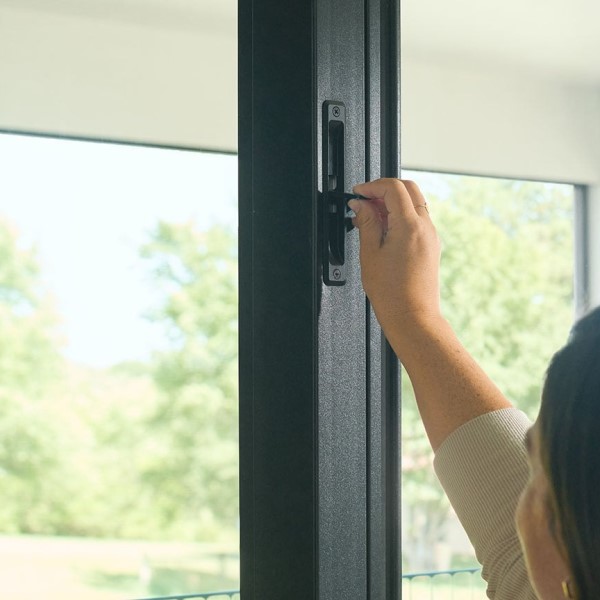
How to lock a sliding door in place? You use the primary latch. But you should add a secondary lock. There are clamp-on locks available. They screw onto the track. They pinch the track to stop movement. This is very secure. Furthermore, you can drill a hole for a pin. The pin locks the two panels together. Thus, they cannot slide. How to stop sliding doors from coming off track? This usually happens because of worn rollers. Or the track is bent. Replace the rollers first. It is a relatively easy DIY job. If the track is bent, use pliers to straighten it gently. Be careful not to crack the metal. Lubrication also helps. A smooth track keeps the door on its wheels. Regular maintenance prevents this annoyance.
Conclusion
Your home is your sanctuary. Protecting it should be a top priority. Sliding doors do not have to be a weak link. You now know how to secure sliding doors effectively. We have covered a wide range of topics. From simple dowels to high-tech smart sensors. The key is to be proactive. Do not rely on the factory lock alone. Add layers of security. Reinforce the glass. Maintain the mechanism. By following these expert tips, you significantly reduce your risk. You make your home a harder target. Burglars look for easy opportunities. Do not give them one. Take action today. Secure your sliding doors. Ensure the safety of your loved ones and your valuables. Peace of mind is priceless.